
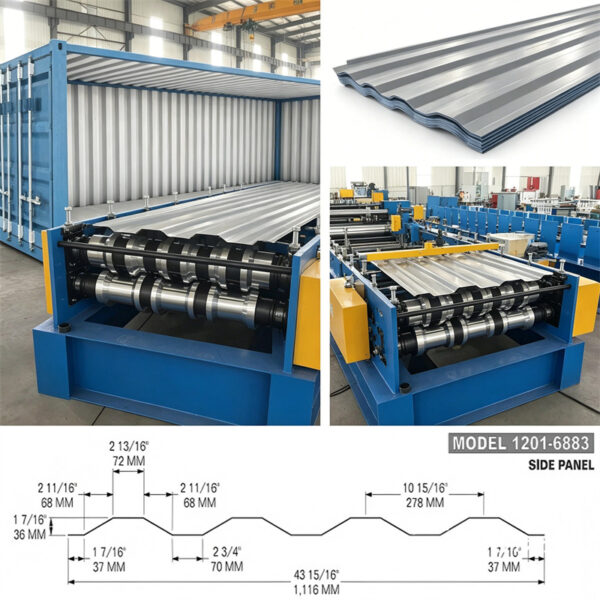
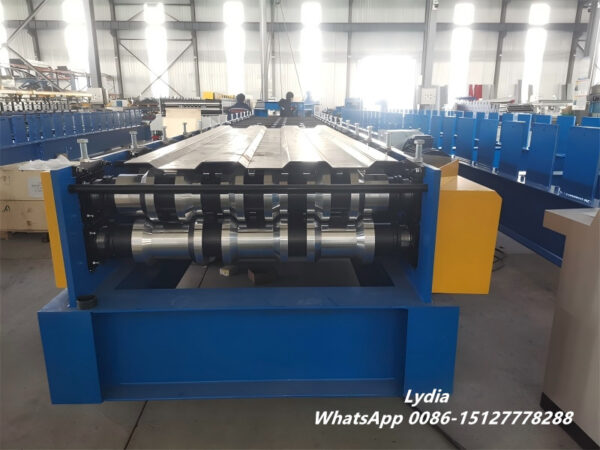
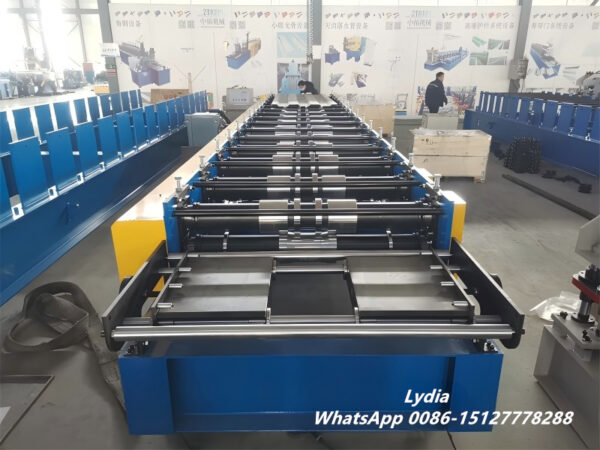
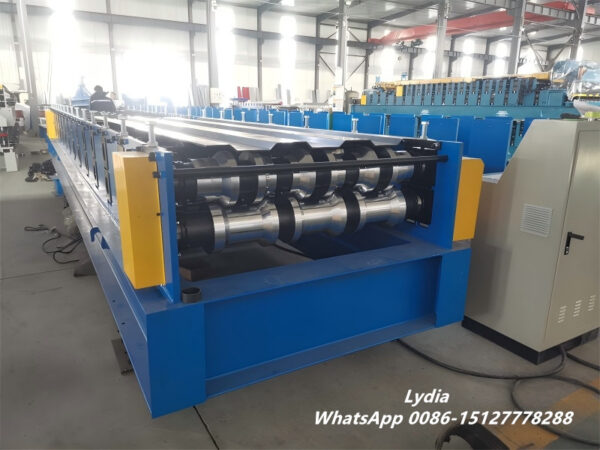
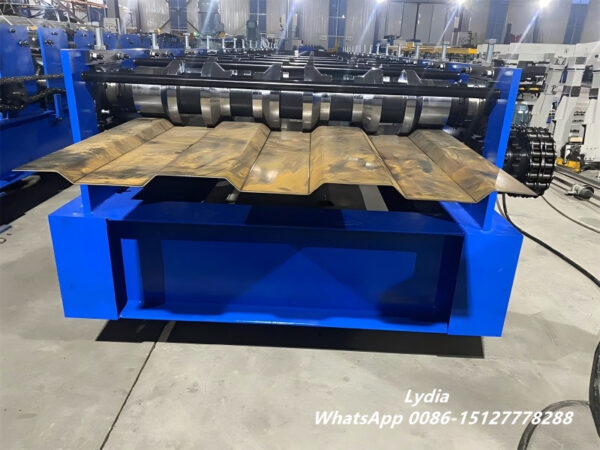
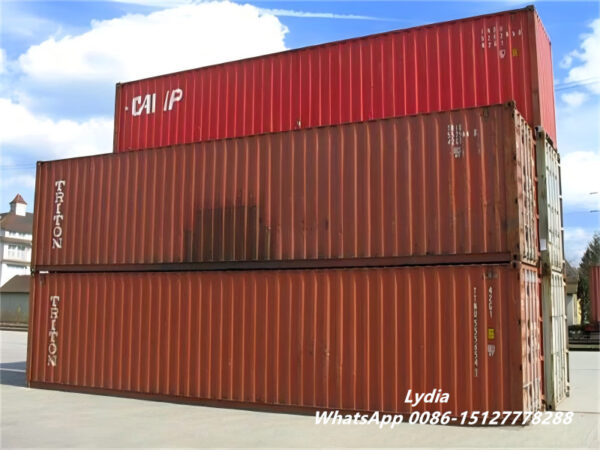
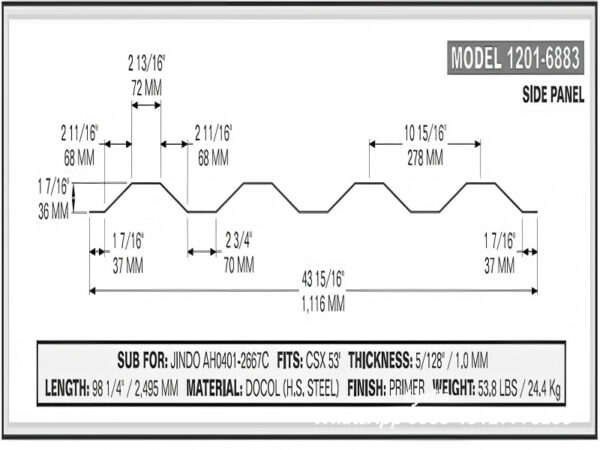
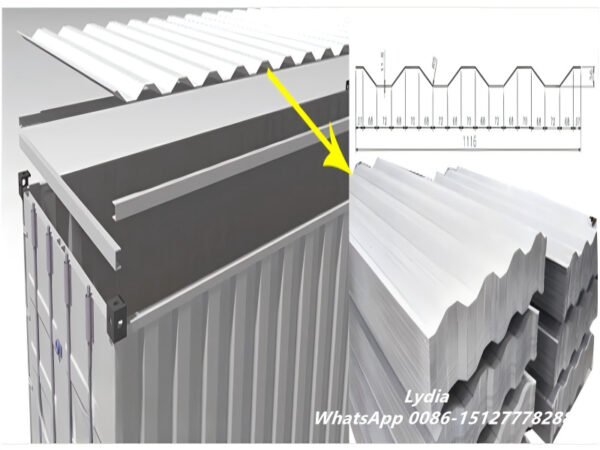
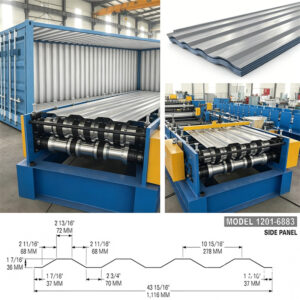
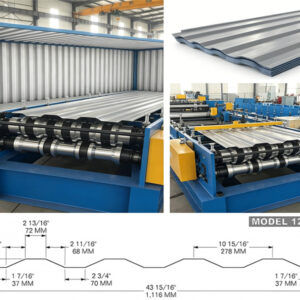
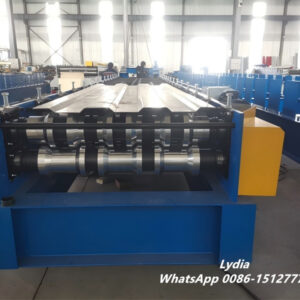
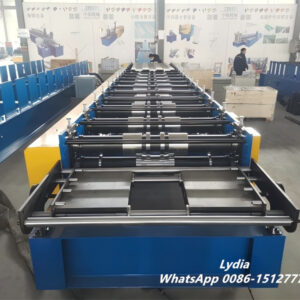
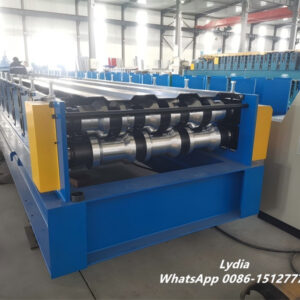
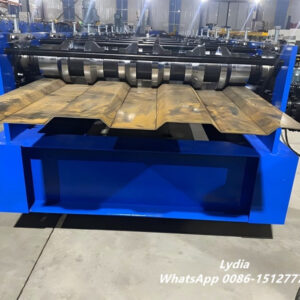
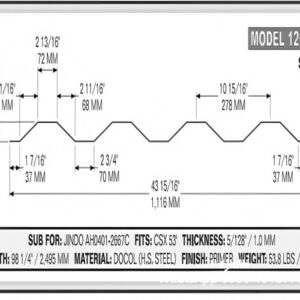
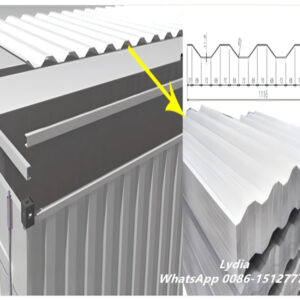

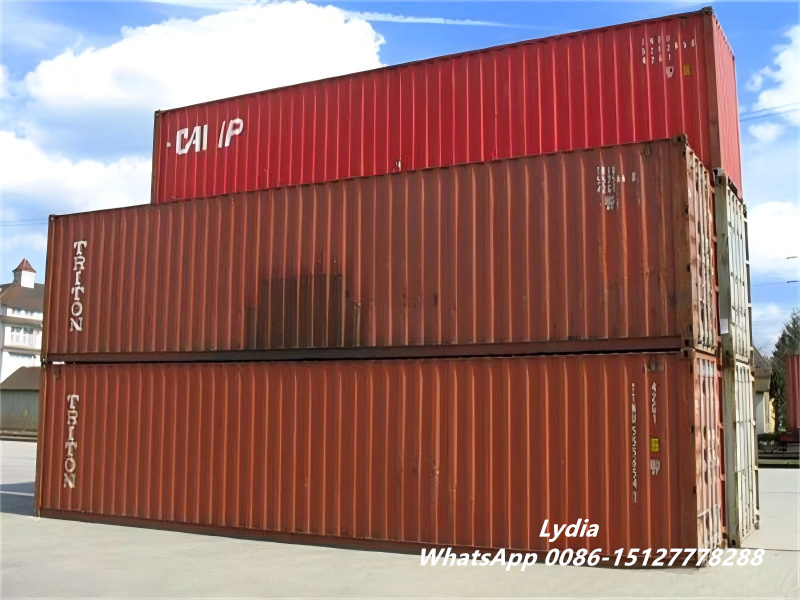
A shipping container making machine, also known as a container panel roll forming machine, is engineered to manufacture corrugated steel panels used in shipping containers. These panels form the structural walls of containers widely used in logistics, storage, and modular construction.
As global demand for containerized transport and modular buildings continues to rise, manufacturers increasingly rely on automated shipping container roll forming machines to ensure consistent quality, high efficiency, and scalable production. This machine transforms flat steel coils into strong, precisely shaped container panels that meet strict industrial standards.


How the Shipping Container Roll Forming Machine Works
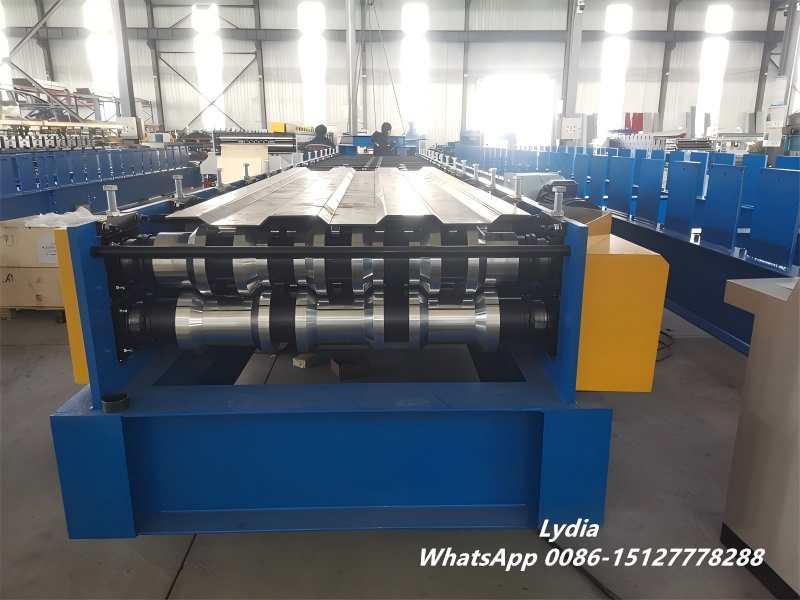
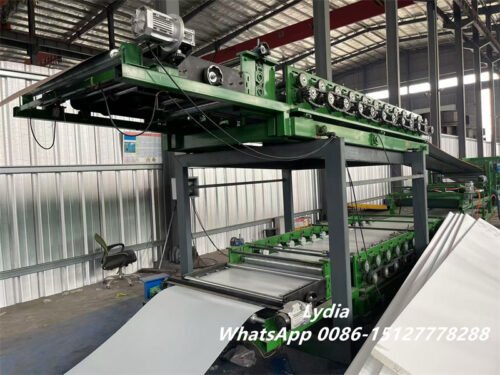
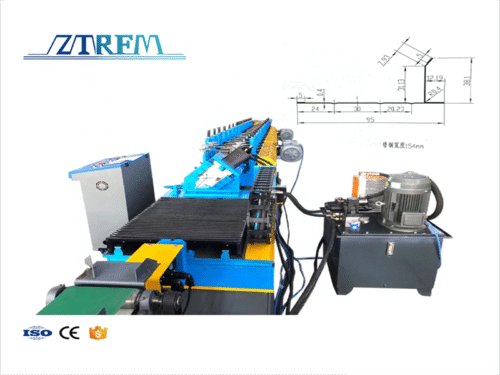
The production process follows a continuous and highly efficient workflow. First, the hydraulic decoiler unwinds heavy-gauge steel coils, preparing the material for processing. Then, the strip enters the feeding guide, which ensures alignment and smooth entry into the roll forming system.
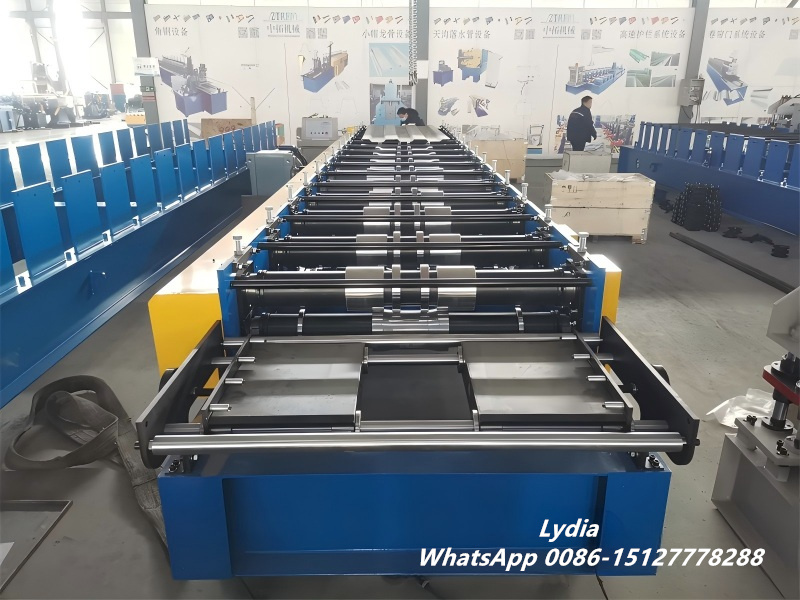
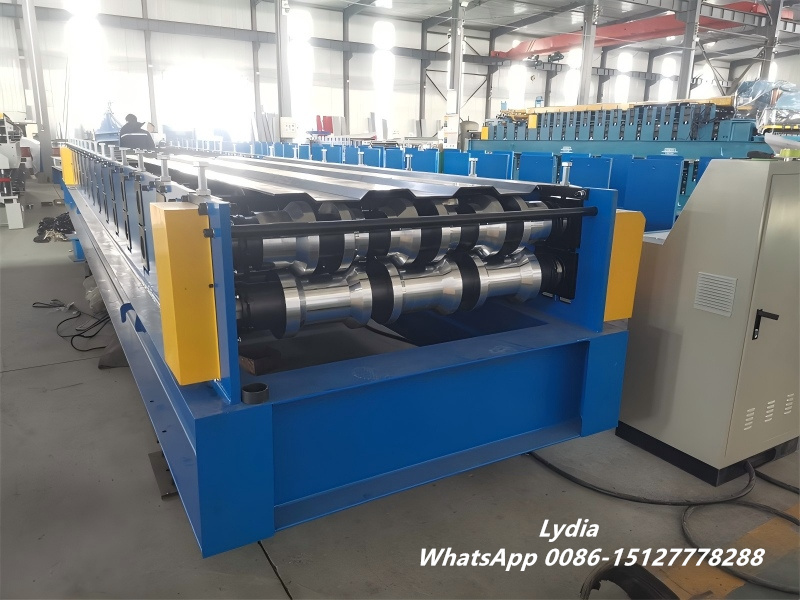
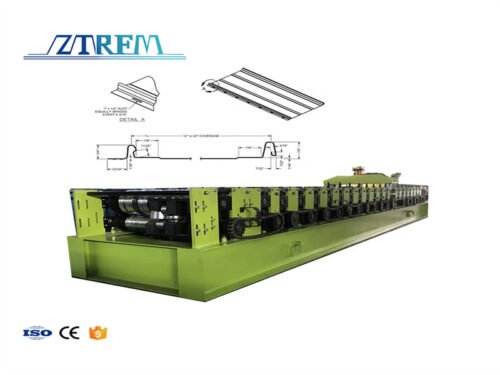
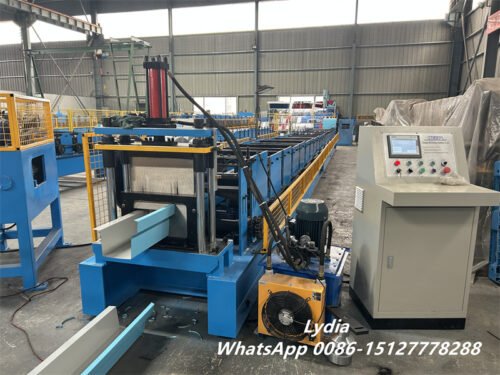
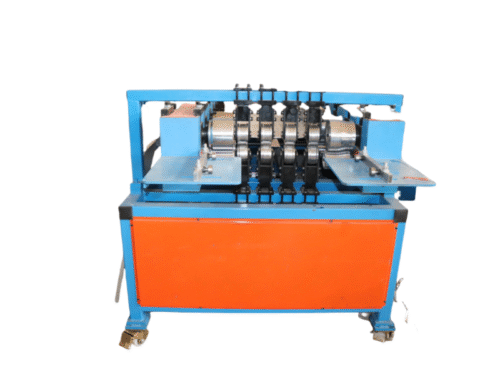
Next, the roll forming section gradually shapes the steel through multiple roller stations. During this stage, the flat sheet is formed into a corrugated profile, significantly improving strength and rigidity. After forming, the hydraulic cutting unit cuts panels to the required length with high precision. Finally, finished container wall panels are transferred to the output table for collection and further assembly.
This streamlined process not only increases production efficiency but also guarantees dimensional accuracy and repeatability.
Applications of Container Panel Roll Forming Machine
Shipping container panel roll forming machines are widely used across different sectors. In logistics and transportation, they produce panels for standard shipping and storage containers. At the same time, in construction, they support the rapid development of container houses, portable cabins, and modular offices.
Moreover, industrial buildings benefit from these machines by using container wall panel machines for wall cladding and roofing systems. Their durability and weather resistance make them ideal for factories, warehouses, and large-scale infrastructure projects. In addition, agricultural facilities and public structures increasingly adopt container-based solutions due to their flexibility and cost efficiency.

How the Shipping Container Making Machine Meets Industry Standards
To ensure long-term performance and structural reliability, the machine is designed to process high-strength materials such as Corten-A steel (SPA-H). Typically, the container panel roll forming machine can handle thicknesses up to 2.0–2.5 mm, which is essential for maintaining the durability of container panels under harsh conditions.
Furthermore, the roll forming system features high-grade rollers made from GCr15 steel with heat treatment, delivering excellent wear resistance and stability. The machine frame, often built with heavy-duty H-beams, provides a solid foundation that minimizes vibration during operation. As a result, manufacturers using automatic roll forming machines can achieve consistent panel quality while maintaining high production efficiency.
Key Technical Specifications of Machine
| Item | Specification |
|---|---|
| Material | Corten-A Steel (SPA-H) |
| Material Thickness | 2.0 mm (up to 2.5 mm optional) |
| Panel Size | 1024 × 2400 / 2700 mm |
| Forming Speed | 10–15 m/min |
| Main Motor Power | 15KW × 2 sets |
| Roller Stations | 20 Stations |
| Roller Material | GCr15 (HRC58–62°) |
| Shaft Diameter | Φ110 mm |
| Cutting Type | Hydraulic Stop Cutting |
| Control System | PLC + Servo Control |
Advantages of Shipping Container Roll Forming Machine
First of all, the shipping container making machine produces panels with excellent structural strength, enabling them to withstand wind loads, heavy impacts, and long-term use. In addition, the automated roll forming machine for containers significantly improves production speed while reducing labor costs.
Another key advantage lies in flexibility. Manufacturers can adjust the machine to produce different panel sizes and profiles, meeting diverse customer requirements. Meanwhile, the precision cutting and forming processes ensure minimal material waste and consistent product quality.
Finally, the container panel production line supports large-scale production, making it an ideal solution for companies looking to expand capacity while maintaining competitive pricing.



Reviews
There are no reviews yet.