
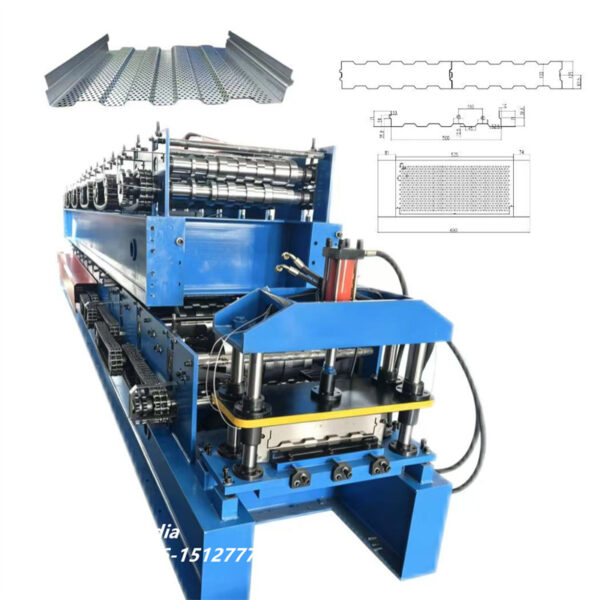
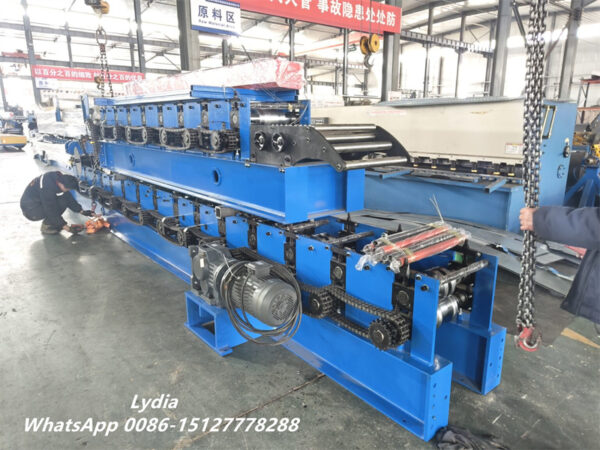
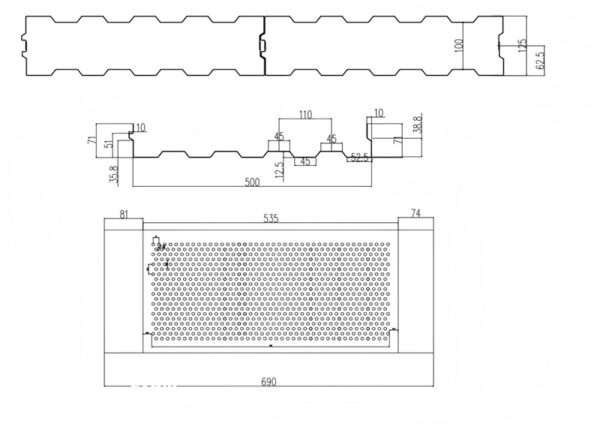
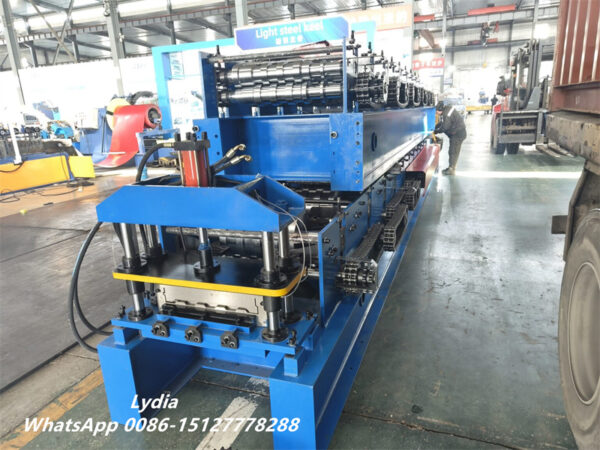
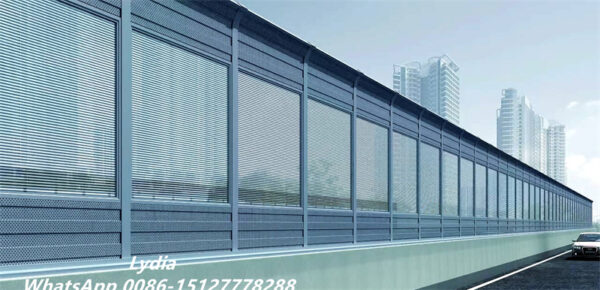
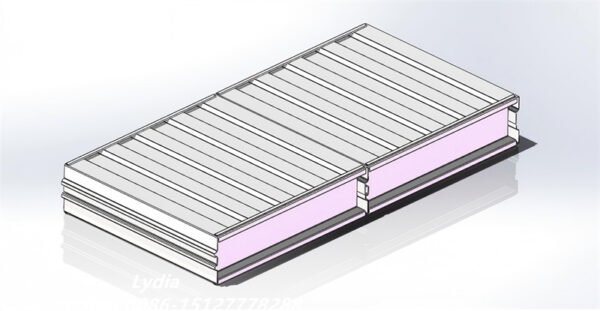
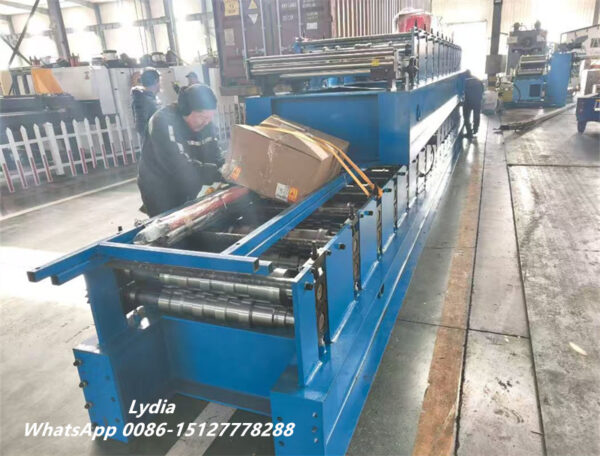
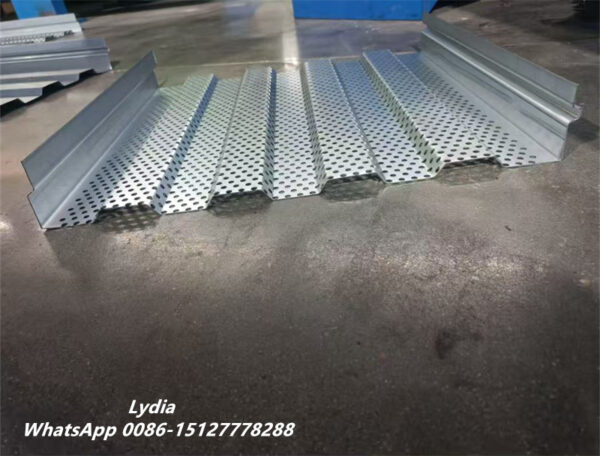
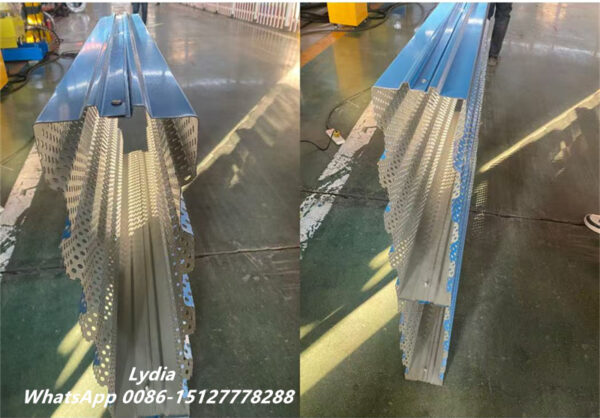
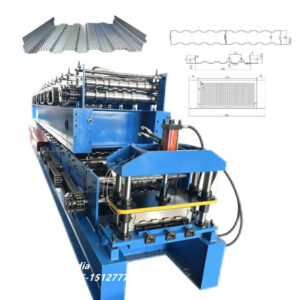
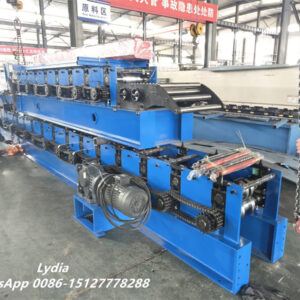
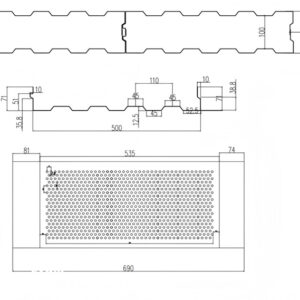
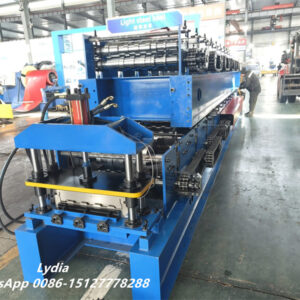
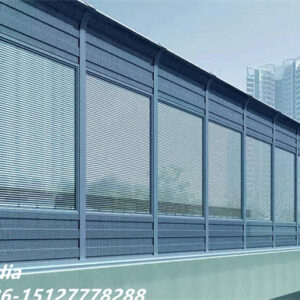
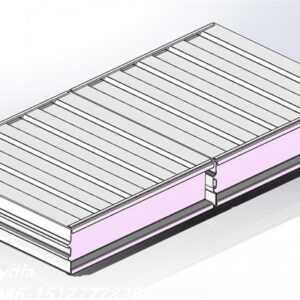
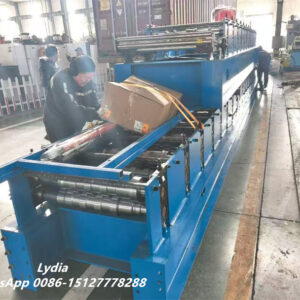
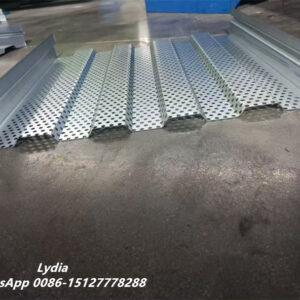
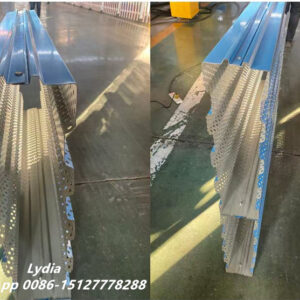

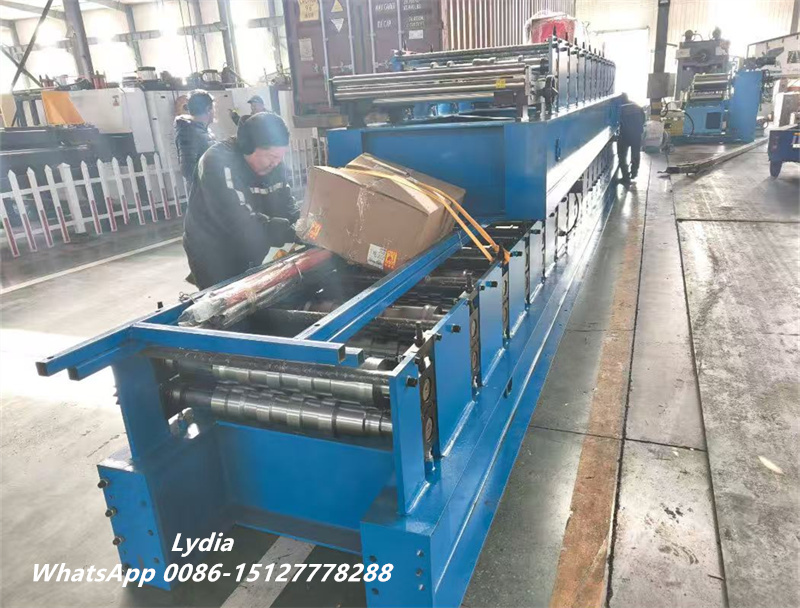
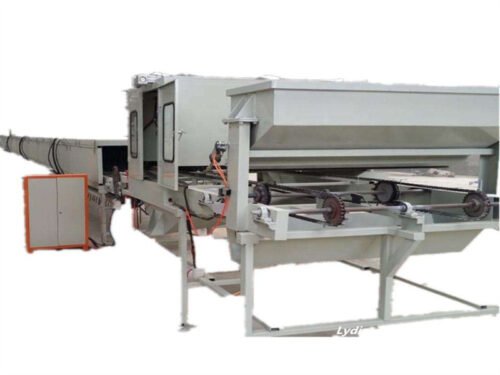
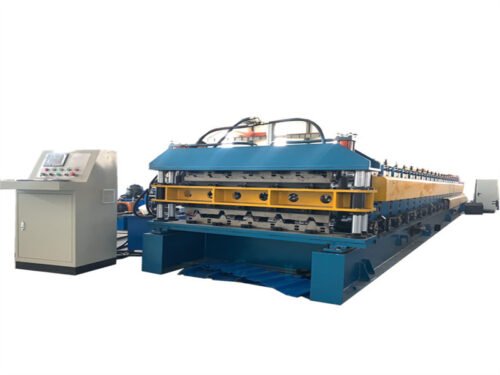
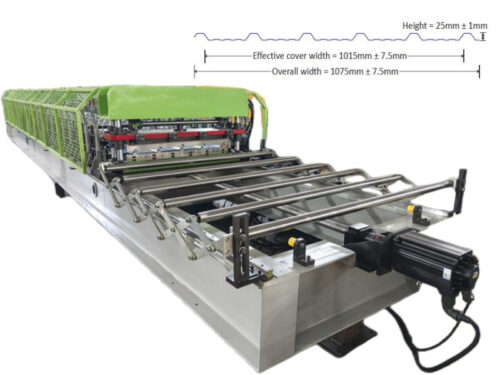
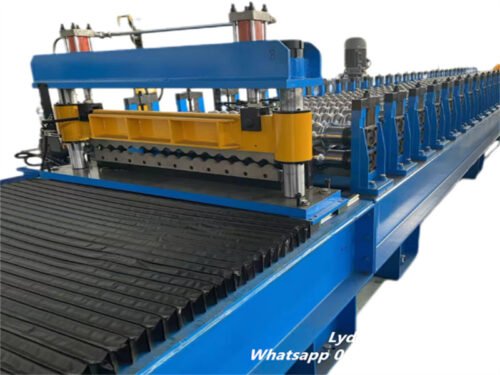
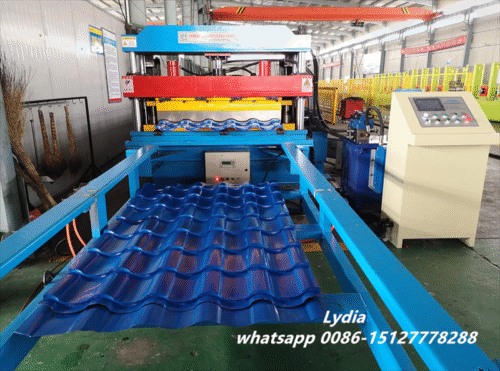
The Sound Barrier Panel Machine (Noise Barrier Wall Profile Making Machine) is an advanced cold roll forming production line designed for manufacturing high-performance acoustic panels used in highways, railways, bridges, and urban infrastructure projects. It integrates precision forming technology with automated production control, enabling manufacturers to produce durable, accurate, and visually consistent sound barrier panels at high efficiency.
Unlike traditional manual or semi-automatic methods, this system ensures continuous production stability while significantly reducing labor dependency and material waste. As a result, it has become a reliable solution for modern noise control engineering projects that demand both quality and output capacity.
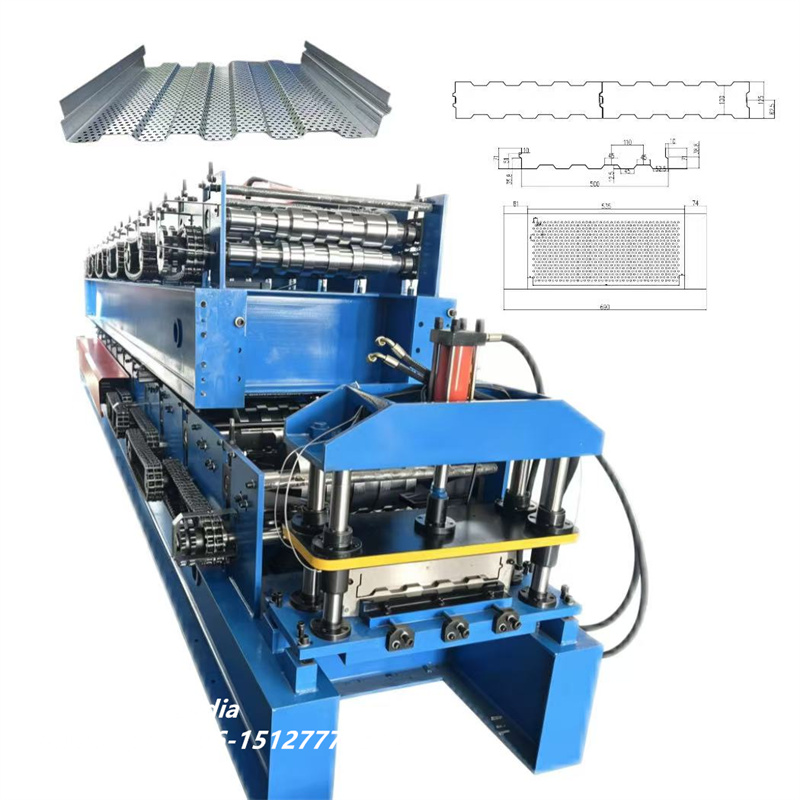
Fully Automated Production System for High-Precision Panel Forming
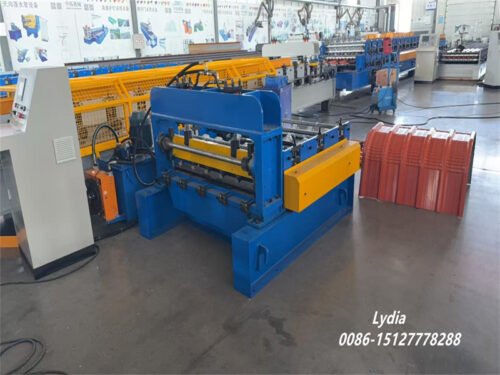
This machine is designed as a complete automated production line that combines multiple processes into one system. It includes uncoiling, leveling, roll forming, punching, and cutting, all controlled through a centralized PLC system. Therefore, operators can manage the entire workflow with simple settings such as length, batch quantity, and production speed.
In addition, the hydraulic and servo systems work together to ensure smooth feeding and stable forming performance, even during long-hour continuous operation. This improves production consistency and helps manufacturers meet strict project deadlines.
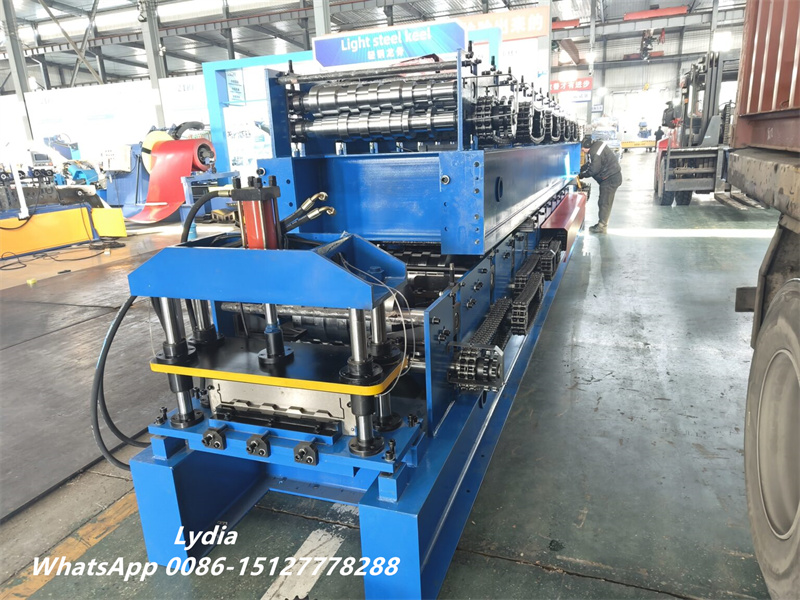
Flexible Design for Multiple Sound Barrier Panel Types
One of the key advantages of this equipment is its ability to produce different acoustic panel profiles. Through quick-change rollers and modular design, the machine can adapt to various structural requirements without major downtime.
Typical output profiles include:
- Flat acoustic panels
- Louver-type sound barrier panels
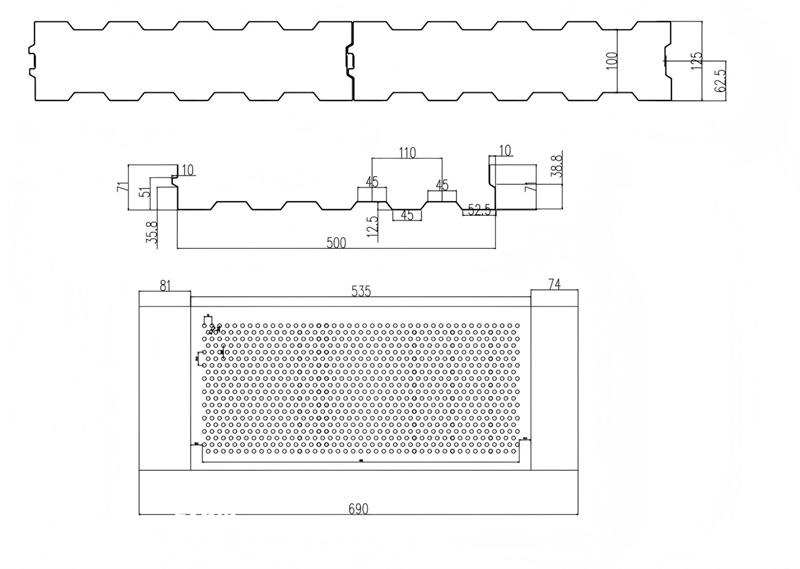
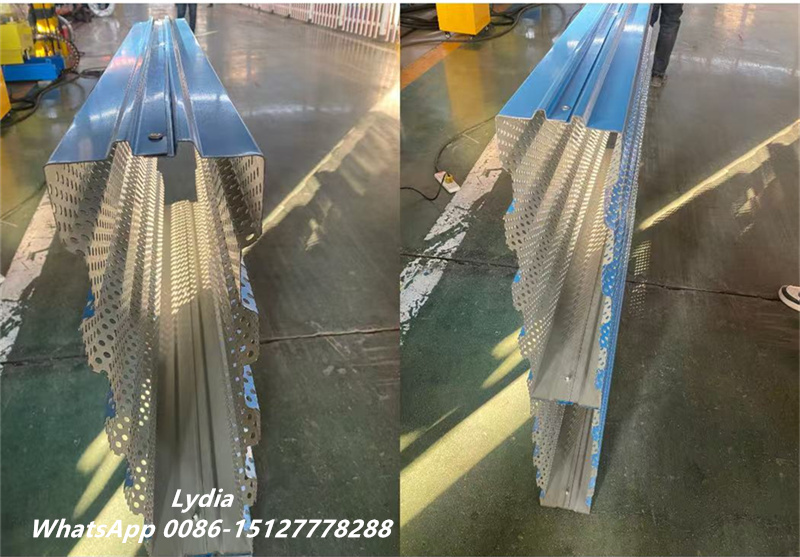
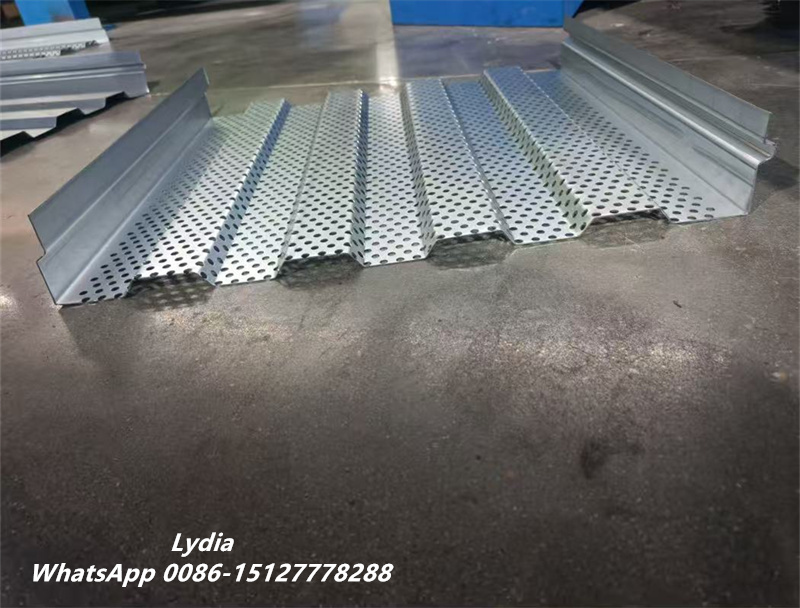
- Micro-perforated sound-absorbing panels
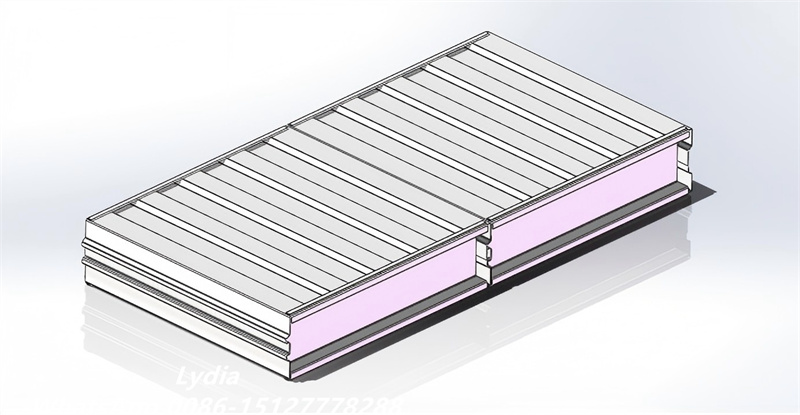
- Composite highway noise barrier panels
This flexibility allows manufacturers to respond quickly to different customer specifications and international project standards.
Key Technical Parameters
| Item | Specification |
|---|---|
| Material Type | PPGI / GI / Aluminum |
| Material Thickness | 0.8 – 1.2 mm |
| Forming Stations | 28 Rows (customizable) |
| Roller Material | 45# Steel with Hard Chrome Coating |
| Shaft Diameter | 75 mm Solid Shaft |
| Drive System | Chain Transmission |
| Main Motor Power | 7.5 kW × 2 |
| Hydraulic Power | 4.5 kW |
| Forming Speed | 40–45 m/min (depending on profile) |
| Voltage | 380V / 50Hz / 3 Phase |
| Control System | PLC Automatic Control |
High-Strength Structure and Stable Long-Term Operation
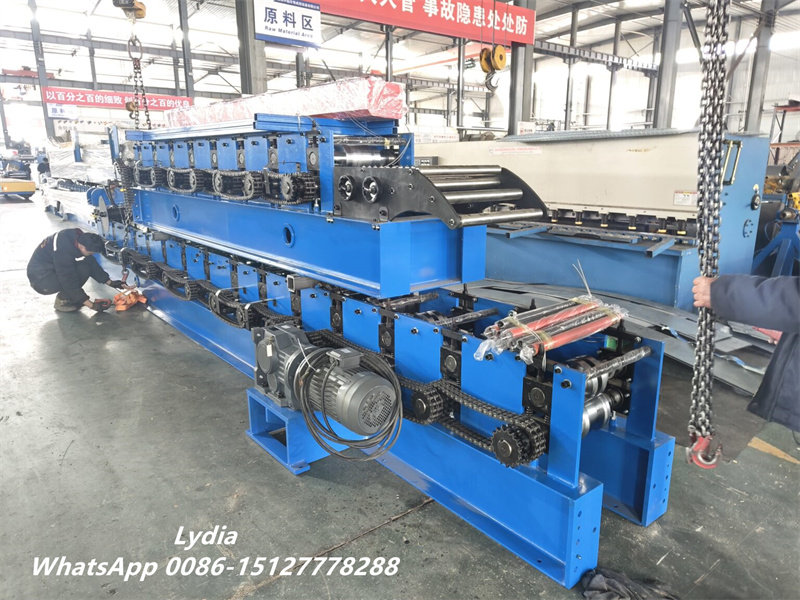
To ensure long-term reliability, the machine frame is welded using high-grade steel and treated with stress-relief processing. This greatly enhances structural rigidity and reduces vibration during high-speed operation. Meanwhile, the roller system uses hardened and chrome-plated 45# steel to improve wear resistance and extend service life.
Furthermore, key transmission components adopt chain-driven systems combined with reinforced bearings, ensuring stable performance even under 24-hour continuous production conditions. As a result, the machine maintains accuracy and efficiency over long production cycles.
Wide Application in Modern Infrastructure Projects
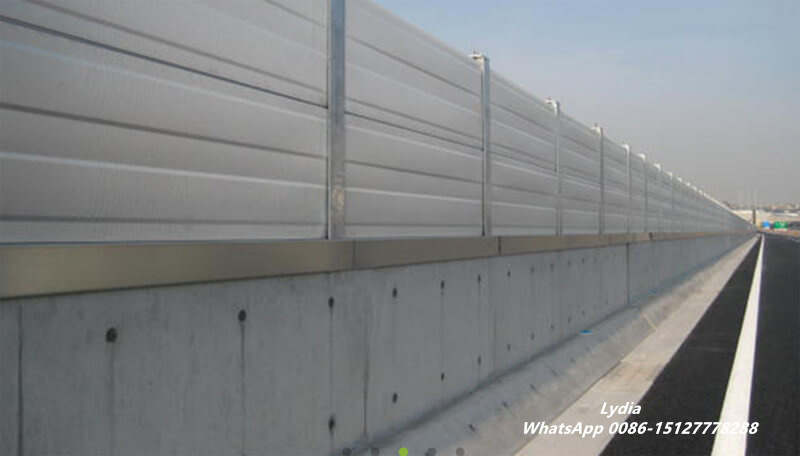
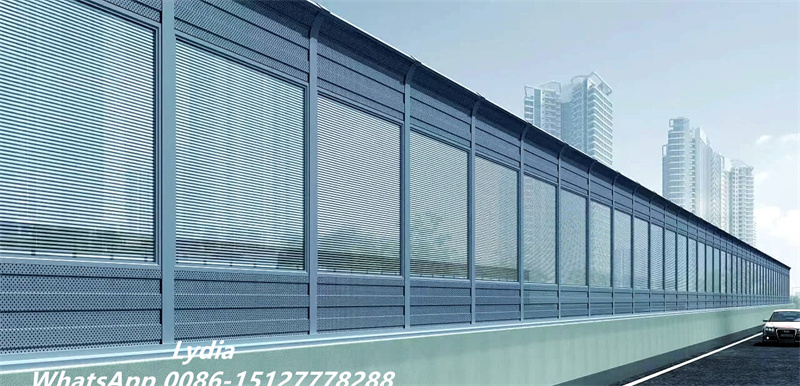
This sound barrier panel production line is widely used in transportation noise control systems. The panels produced by this machine play a critical role in reducing environmental noise pollution and improving living conditions.
In highway applications, the panels effectively block traffic noise near residential zones. In bridge and coastal projects, they withstand strong wind loads and corrosion while maintaining structural integrity. In railway systems, they help reduce pressure waves generated by high-speed trains, ensuring safer and quieter operation environments.
A Smart Investment for High-Value Acoustic Manufacturing
As global demand for noise control solutions continues to grow, manufacturers are shifting toward fully automated, high-precision production systems. This Sound Barrier Panel Machine provides not only stable output but also strong adaptability to evolving market requirements.
By investing in this equipment, producers can improve product quality, reduce operational costs, and expand into international infrastructure markets with confidence.


Reviews
There are no reviews yet.