
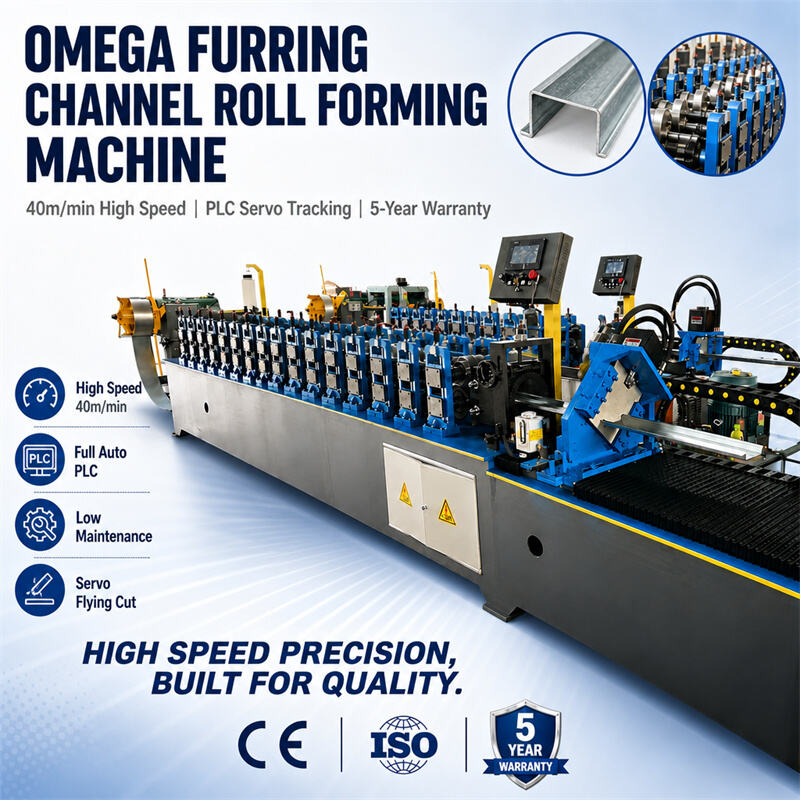

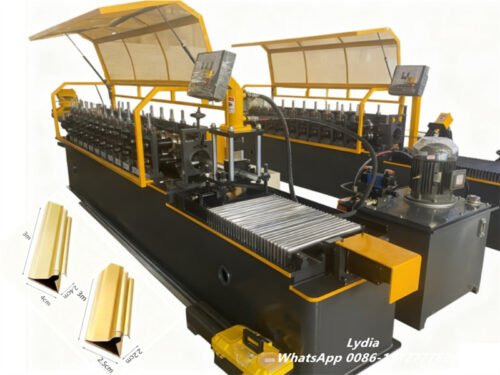
The Furring Hat Channel Roll Forming Machine from Zhongtuo provides an efficient solution for manufacturing furring channels, hat channels, and omega-shaped metal ceiling profiles. Designed for continuous cold roll forming, this production line converts galvanized steel coils into accurately shaped profiles for suspended ceilings, drywall systems, and interior construction applications.
Zhongtuo combines high-speed forming technology with automatic tracking cutting, intelligent PLC control, and optional material-handling systems. Depending on the profile design and production configuration, the machine can reach speeds of up to 120 m/min, allowing manufacturers to increase output while maintaining stable profile quality.
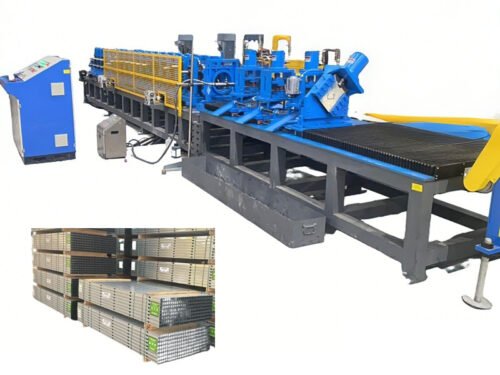
The production line can also integrate automatic stacking and packaging equipment for finished channels. As a result, customers can build a more continuous manufacturing process from coil feeding to finished-product handling while reducing manual intervention.
High-Speed Omega and Furring Channel Production
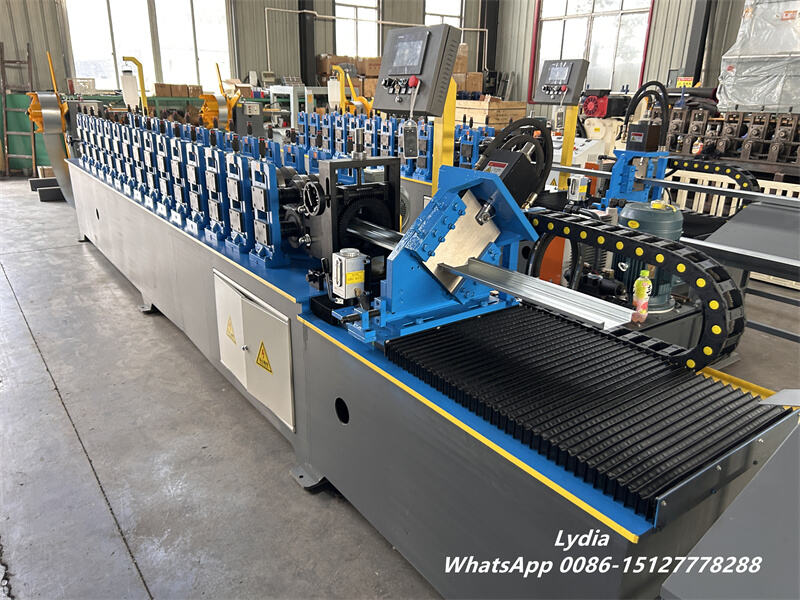
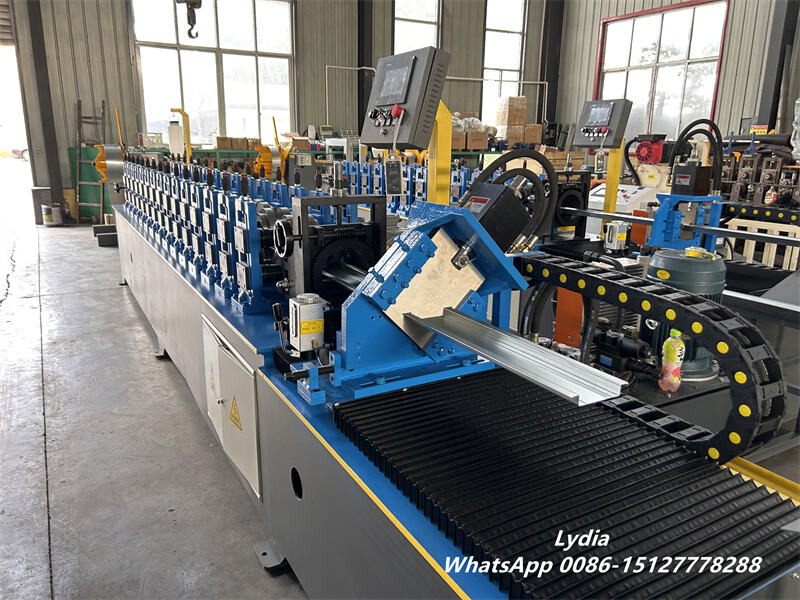
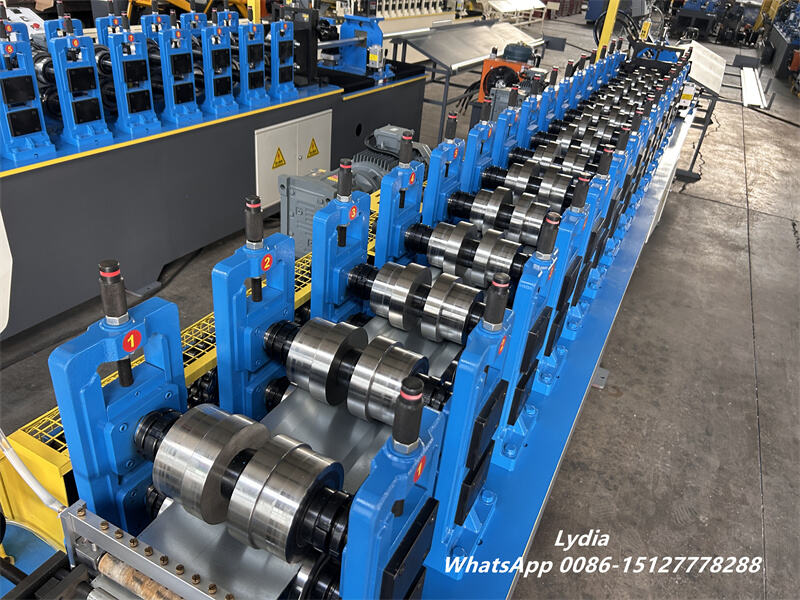
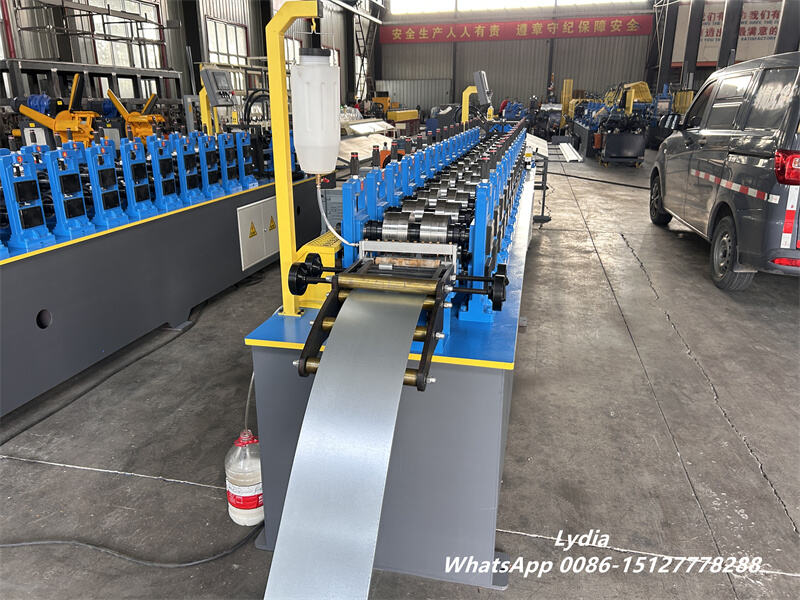
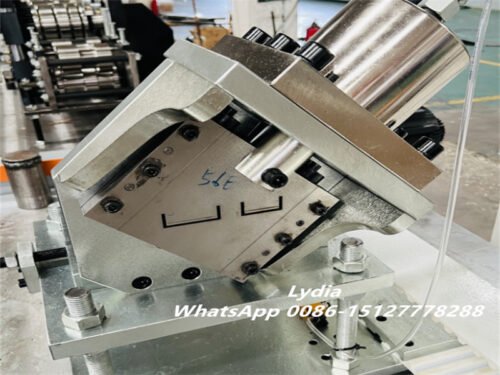
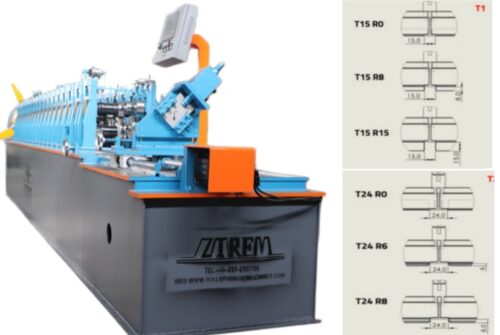
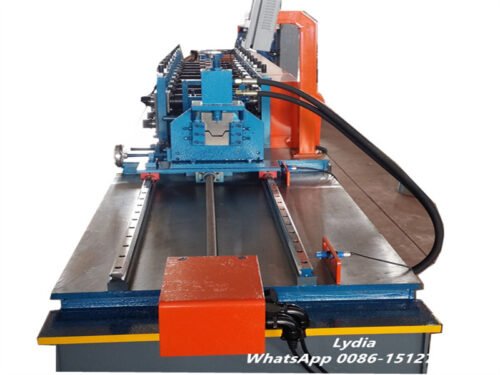
The Omega Furring Channel Roll Forming Machine gradually forms the steel strip through multiple precision roller stations. Instead of bending the material in a single operation, the machine distributes the forming process across several stations. This approach helps maintain consistent profile geometry and reduces unnecessary stress on the material.
For standard omega ceiling profiles, the machine can process galvanized steel with a thickness range of approximately 0.4–1.5 mm. Hardened forming rollers provide stable forming performance during continuous operation and help maintain dimensional consistency throughout long production runs.
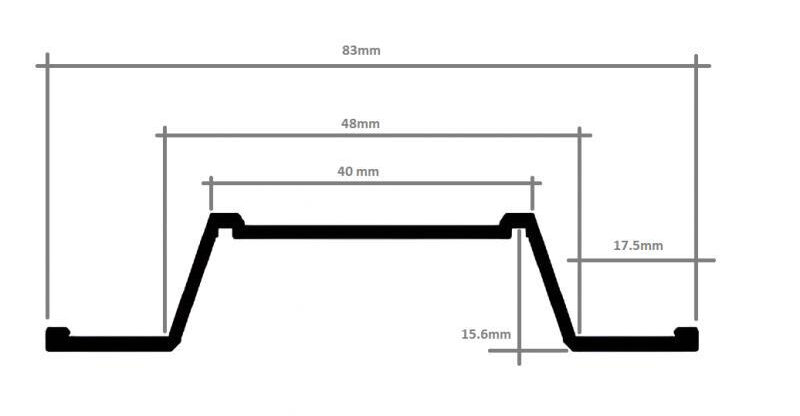
Zhongtuo can configure the machine according to the customer’s required profile dimensions. Therefore, manufacturers can produce different furring channel or hat channel designs by adjusting the forming configuration and tooling rather than relying on a completely fixed production solution.
The system is suitable for manufacturers supplying ceiling contractors, drywall-system producers, interior finishing companies, and building-material distributors. In addition, the high-speed configuration makes it practical for factories that require continuous production and high daily output.
Flexible Decoiling and Roll Forming Configuration
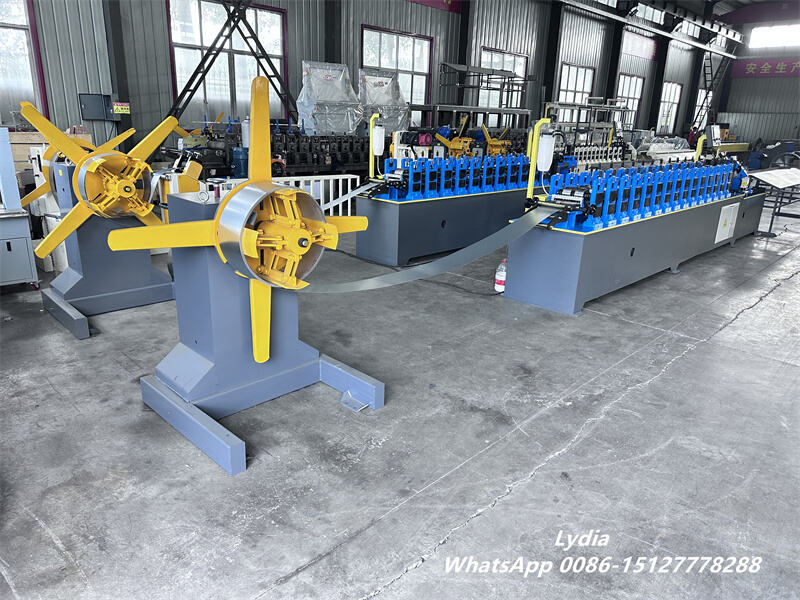
Zhongtuo designs the production line with flexibility in mind. The standard working flow can include a 3-ton double-head passive decoiler, feeding guide, roll forming machine, servo tracking cutting system, and 6-meter pneumatic discharge table. Each section works together to maintain smooth material feeding and consistent production.
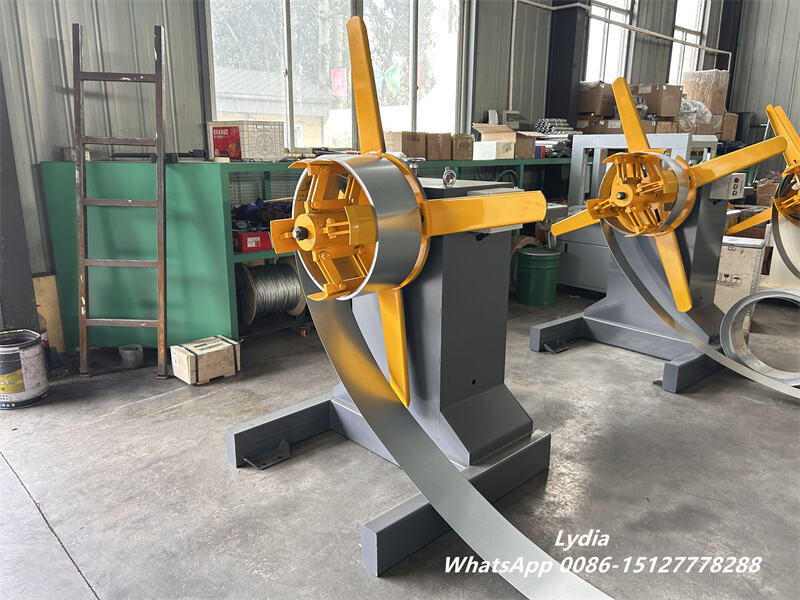
The double-head decoiler provides an additional advantage when manufacturers frequently change coils. Operators can prepare the next coil in advance, which helps reduce the interruption caused by material replacement. Consequently, the production line can spend more time forming profiles and less time waiting for coil changes.
For manufacturers producing several related ceiling profiles, Zhongtuo can also develop a combi-type configuration. This design provides a more flexible and space-efficient approach to profile manufacturing while allowing the equipment arrangement to match the customer’s factory conditions.
Different protection and safety configurations are also available according to the machine design and local requirements. Zhongtuo can therefore adjust the overall production line based on material specifications, profile drawings, production speed, and required automation level.
| Item | Typical Configuration |
|---|---|
| Machine Type | Furring Hat Channel Roll Forming Machine |
| Main Products | Furring Channel, Hat Channel, Omega Ceiling Profile |
| Raw Material | Galvanized Steel Coil |
| Material Thickness | 0.4–1.5 mm |
| Decoiler | 3-Ton Double-Head Passive Decoiler |
| Forming Method | Continuous Cold Roll Forming |
| Maximum Speed | Up to 120 m/min* |
| Cutting System | Hydraulic / Servo Tracking Flying Cutting |
| Servo System | High-Precision Yaskawa Servo Motor |
| Control System | Industrial Computer + PLC + LCD Screen |
| Forming Rollers | Hardened Steel Rollers |
| Discharge | 6 m Pneumatic Discharge Table |
| Automatic Stacking | Optional |
| Automatic Packaging | Optional |
| Application | Suspended Ceilings, Drywall, Interior Framing |
Actual production speed depends on profile geometry, material thickness, cutting length, punching requirements, and the selected machine configuration.
Servo Flying Cutting and Intelligent PLC Control
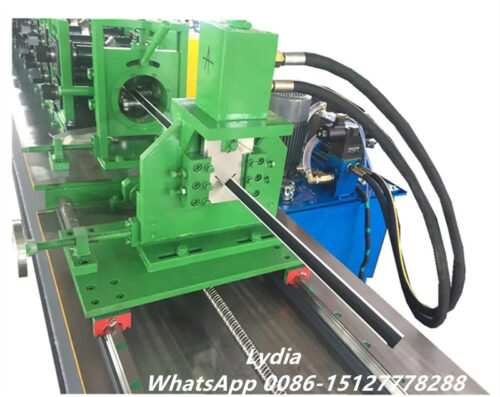
After the metal strip passes through the forming stations, the finished profile enters the servo tracking cutting system. The cutter follows the moving profile during the cutting process, allowing the machine to maintain continuous production without requiring the entire line to stop for every cut.
The cutting system can use hydraulic or servo technology according to the required production speed and profile characteristics. With an appropriately configured flying shear, Zhongtuo can achieve accurate fixed-length cutting while minimizing profile deformation and unnecessary material waste.
A high-precision Yaskawa servo motor can control the tracking and positioning process. This configuration helps improve cutting consistency, particularly when the line operates at high production speeds.
At the same time, the PLC control system gives operators centralized control over important production parameters. The industrial computer and LCD interface can display and manage information such as profile dimensions, cutting length, production speed, and machine operating status. The control interface can also be configured for practical operation and adjustment.
Through synchronized control of feeding, forming, tracking, and cutting, the system maintains a stable production rhythm. This not only improves productivity but also helps operators manage the line more efficiently.
Automatic Stacking and Packaging System
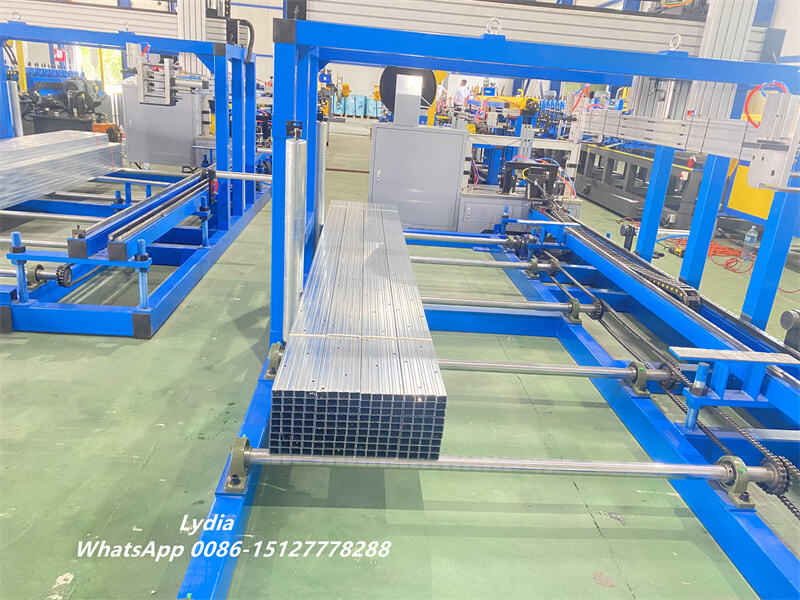
For customers producing long furring channels, Zhongtuo can extend the automation beyond forming and cutting by integrating an automatic stacking and packaging system. The system can be configured for finished products with typical lengths from 2 to 6 meters, depending on the customer’s requirements.
After cutting, the finished furring channels move onto the discharge section. The automatic stacking system collects and organizes the profiles into controlled bundles, reducing the need for workers to manually arrange every finished piece.
Furthermore, an automatic packaging system can create a smoother connection between production and final handling. Instead of transferring large quantities of profiles manually, the system can coordinate stacking, bundling, and packaging as part of the overall workflow.
This automation can significantly reduce repetitive manual work. At the same time, workers can focus on machine supervision, quality checks, material preparation, and other important production tasks. Therefore, the manufacturer can improve overall workforce utilization while supporting higher production volumes.
Automation also helps reduce production bottlenecks. When forming, cutting, stacking, and packaging operate as a coordinated process, finished profiles can move through the production line with fewer manual handling points. This streamlined workflow is especially useful for factories pursuing continuous and high-volume production.
Quality Control and Furring Channel Applications
The Furring Hat Channel Roll Forming Machine maintains profile consistency through synchronized feeding, forming, cutting, and output operations. Quality checks can also be incorporated into the production process to help operators identify dimensional or forming issues before large quantities of profiles leave the line.
Consistent profile dimensions are particularly important for ceiling and drywall applications because the finished channels must fit correctly with other components of the framing system. Stable forming therefore helps manufacturers reduce defective products and improve the reliability of finished ceiling structures.
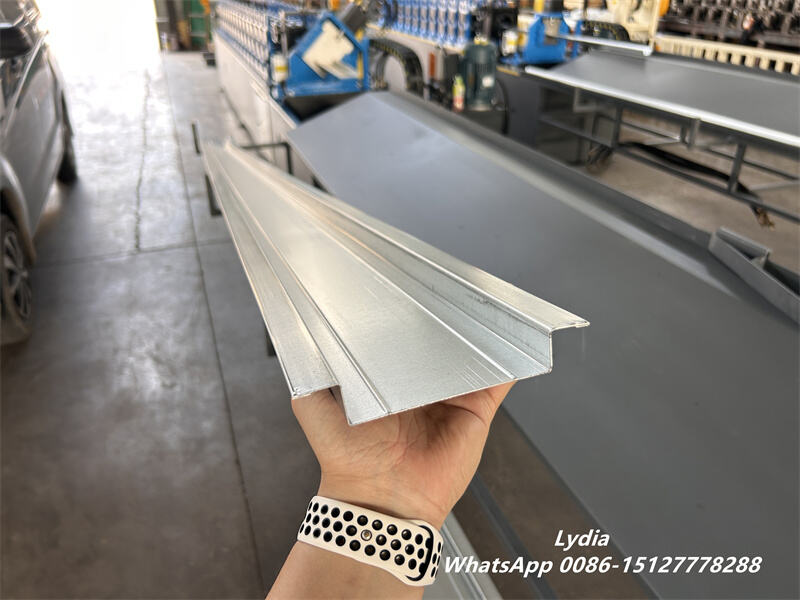
Furring channels are widely used as support members in modern suspended ceiling systems. Their lightweight steel construction provides a practical framework for installing gypsum boards, plasterboard, and other ceiling finishing materials. The resulting framework can also leave sufficient space for recessed lighting, ventilation ducts, electrical components, and other building services.
In drywall construction, furring channels provide a stable base for attaching wall or ceiling panels. They help create a straight and uniform surface while supporting the finishing materials. Consequently, manufacturers can use the machine to supply profiles for residential buildings, commercial properties, offices, public facilities, and interior renovation projects.
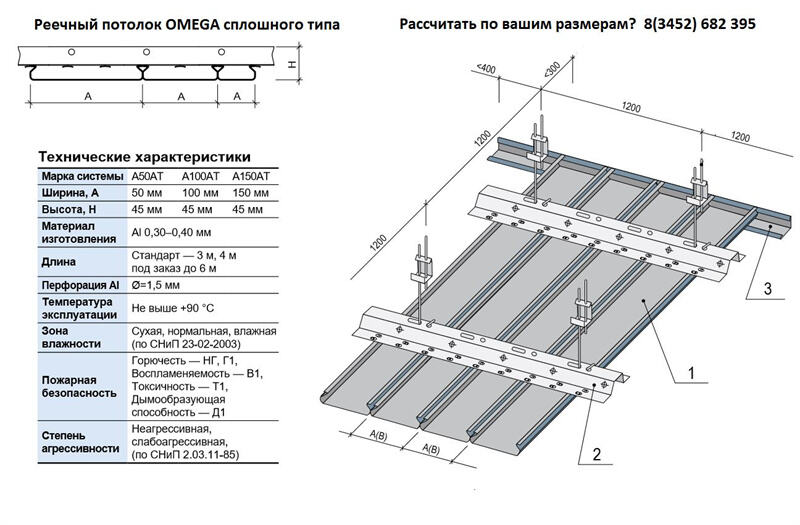
The omega-shaped profile is particularly suitable for applications requiring a combination of lightweight construction and structural rigidity. By producing accurate and consistent profiles, Zhongtuo’s roll forming technology helps manufacturers meet the dimensional requirements of different ceiling-system designs.
Zhongtuo Engineering and After-Sales Support
Zhongtuo provides more than the main forming machine. The complete production solution can include decoiling, feeding, leveling where required, roll forming, flying cutting, pneumatic discharge, automatic stacking, and packaging equipment.
Before production, Zhongtuo can configure the machine according to the customer’s profile drawing, material thickness, coil width, required cutting length, production speed, and automation requirements. This approach allows the final equipment configuration to match the actual production application rather than relying on a one-size-fits-all machine.
After delivery, Zhongtuo engineers can assist with machine installation, commissioning, and operator training. The technical team can guide customers through machine operation, parameter adjustment, routine maintenance, and production setup.
With high-speed roll forming, intelligent control, precision cutting, and optional automatic material handling, the Furring Hat Channel Roll Forming Machine provides a complete manufacturing solution for modern ceiling-profile production. Whether the requirement focuses on standard furring channels, omega ceiling profiles, or customized hat-channel designs, Zhongtuo can develop the corresponding roll forming line according to the customer’s production needs.
FAQ About Furring Hat Channel Roll Forming Machine
1. What materials can the Furring Hat Channel Roll Forming Machine process?
The machine is mainly designed for galvanized steel coils used in ceiling and drywall profile production. For the Omega Furring Channel configuration, the typical material thickness ranges from 0.4 to 1.5 mm. Zhongtuo can also configure the machine according to the customer’s material type, thickness, and profile requirements.
2. What is the maximum production speed of the Furring Channel Roll Forming Machine?
The high-speed configuration can reach up to 120 m/min. However, the actual production speed depends on the profile geometry, material thickness, cutting length, punching requirements, and selected machine configuration. Servo tracking flying cutting allows the line to maintain continuous production at high speed.
3. Can the machine produce different furring channel sizes?
Yes. Zhongtuo can customize the forming rollers and machine configuration according to the customer’s profile drawings. The line can manufacture different furring channels, hat channels, and omega-shaped ceiling profiles for suspended ceiling and drywall applications.
4. Can automatic stacking and packaging equipment be added?
Yes. Zhongtuo can integrate an automatic stacking and packaging system for finished furring channels, including products with typical lengths of 2–6 meters. The system collects, organizes, and packages finished profiles, reducing manual handling and creating a more continuous production workflow.
5. Does Zhongtuo provide installation and operator training?
Yes. Zhongtuo can provide machine installation, commissioning, and operator training support. Engineers can guide customers through equipment operation, parameter adjustment, production setup, and routine maintenance to help the production line enter operation smoothly.

Reviews
There are no reviews yet.