
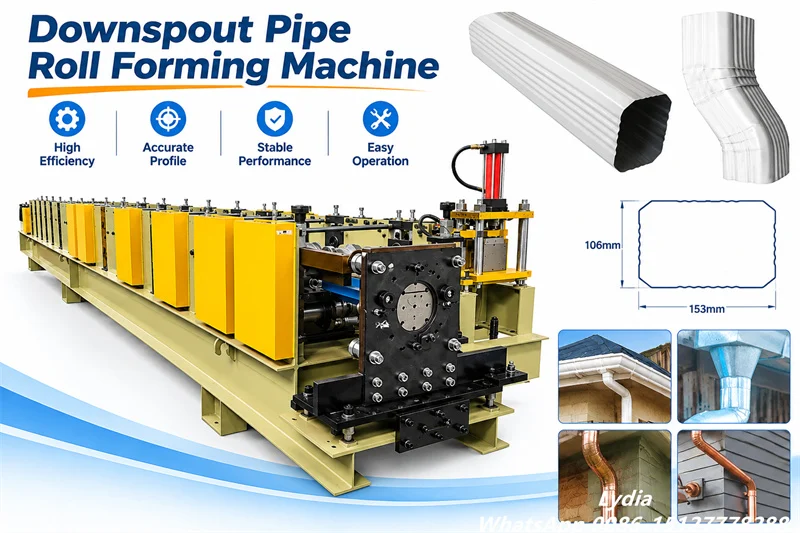
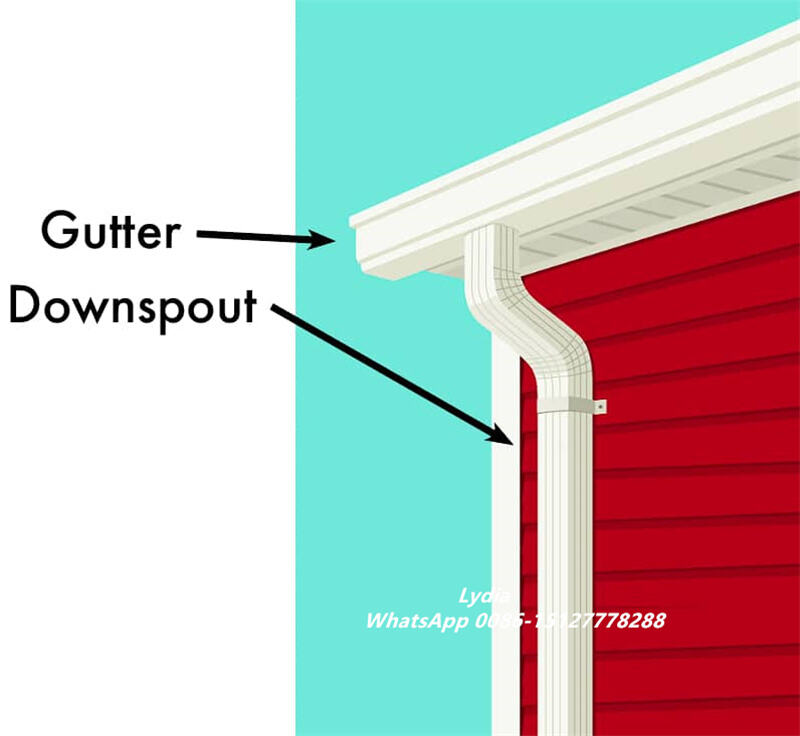

A reliable roof drainage system helps protect buildings from rainwater accumulation, wall damage, and foundation erosion. For manufacturers of roofing accessories, producing high-quality metal downpipes requires accurate forming, stable production speed, and consistent product dimensions. A Downpipe Roll Forming Machine provides an automated solution for converting metal coils into finished round, square, and rectangular drainage pipes.
ZTRFM designs this equipment for processing galvanized steel, pre-painted steel, aluminum, and other suitable metal materials. By integrating decoiling, leveling, roll forming, automatic cutting, and electrical control, the production line simplifies manufacturing and reduces manual operations. As a versatile downspout machine, it helps manufacturers supply different drainage products for residential, commercial, and industrial construction projects. This downspout machine rain drainage solution also supports manufacturers who want to expand their roof drainage product range.
1. What Is a Downpipe Roll Forming Machine?
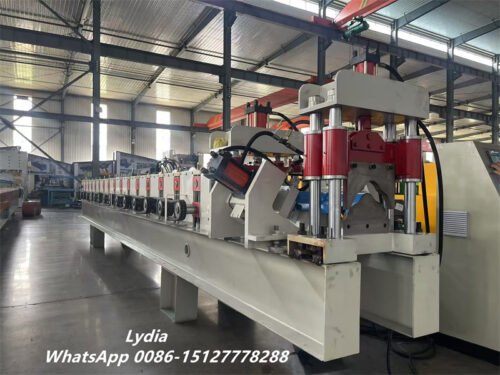
A Downpipe Roll Forming Machine is specialized cold roll forming equipment that transforms flat metal sheets into downpipes through a series of precision rollers. Instead of depending on traditional manual bending and welding, the machine gradually shapes the metal strip into the required profile.
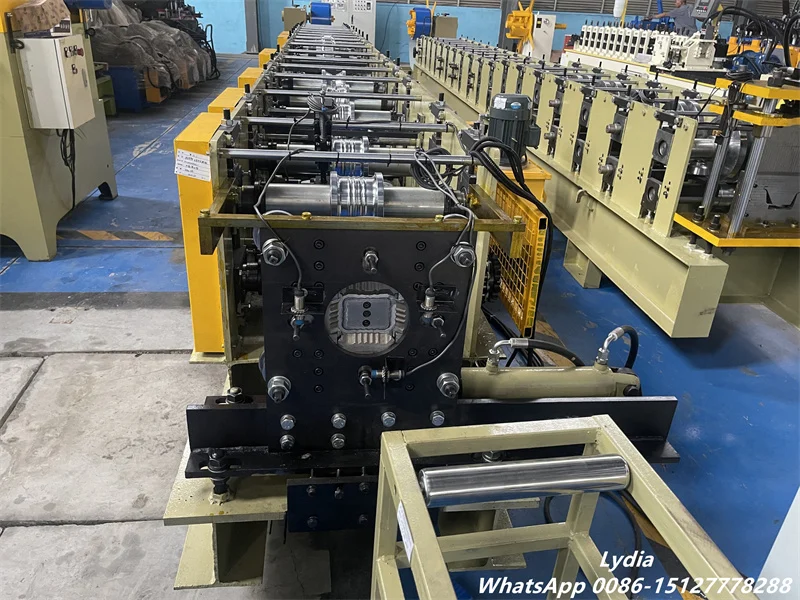
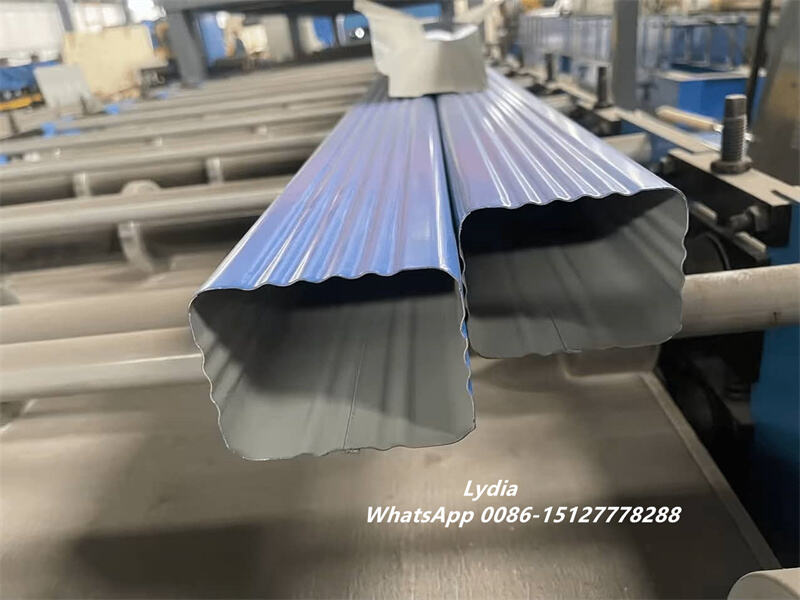
During production, the metal coil passes through the decoiler, leveling section, guiding system, and forming stations. Each roller applies controlled pressure to gradually change the sheet geometry. After the material reaches the specified shape, the automatic cutting system separates the finished pipe according to the preset length.
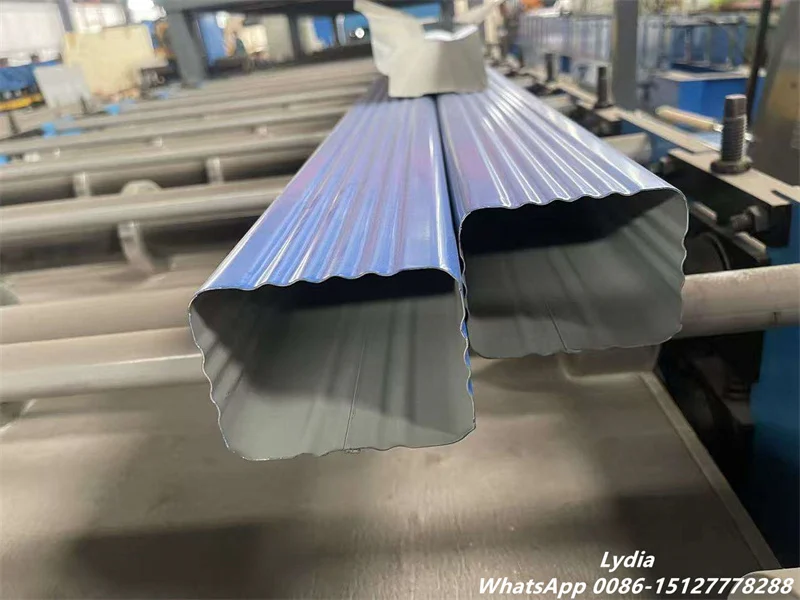
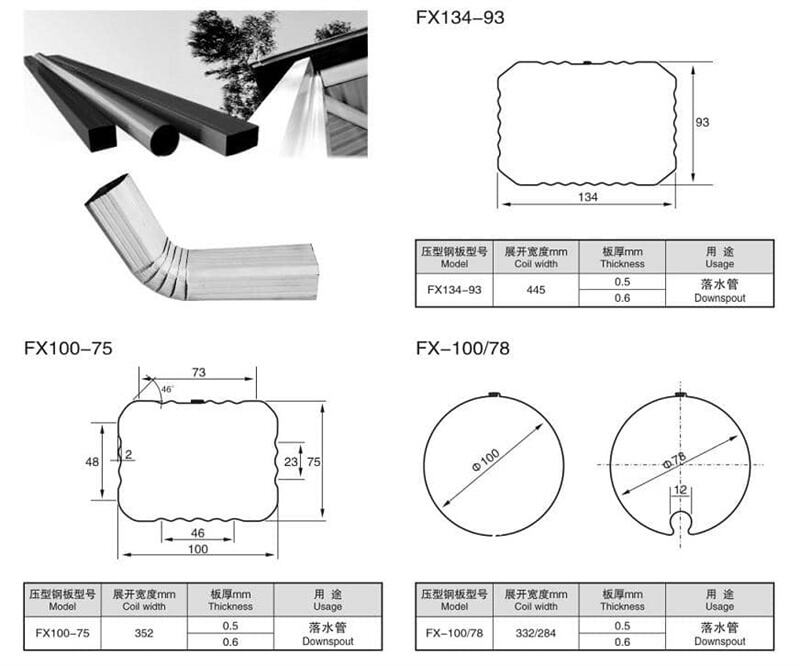
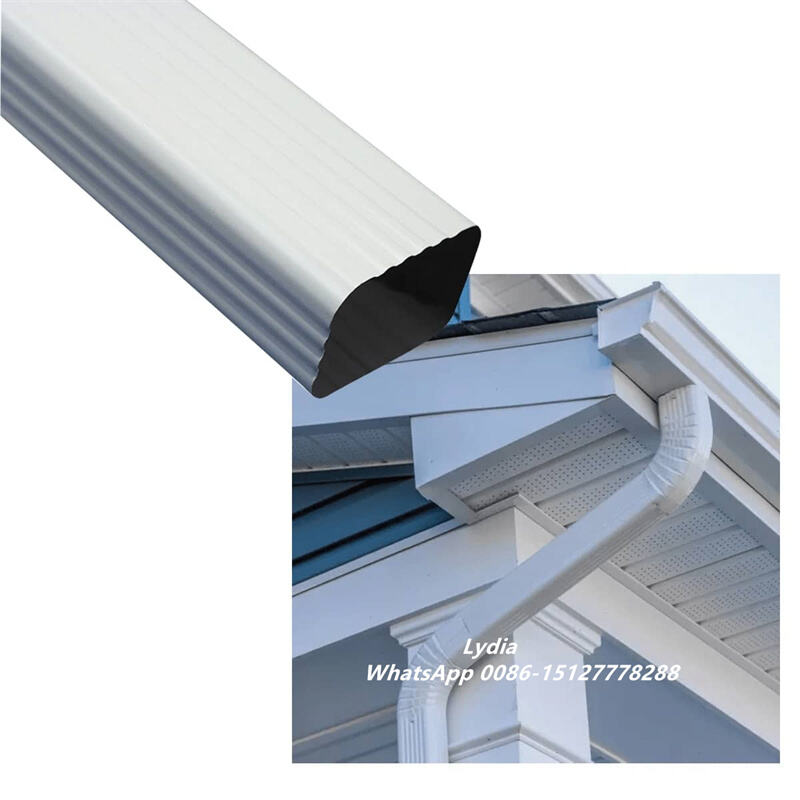
Depending on production requirements, manufacturers can configure the equipment to produce round downspouts, square pipes, and rectangular drainage profiles. For example, a 3×3 downspout pipe machine can produce 3 × 3-inch square downpipes using the corresponding forming roller configuration. This flexibility allows manufacturers to serve different construction markets and customer specifications.
2. Main Features of the Metal Downspout Making Machine
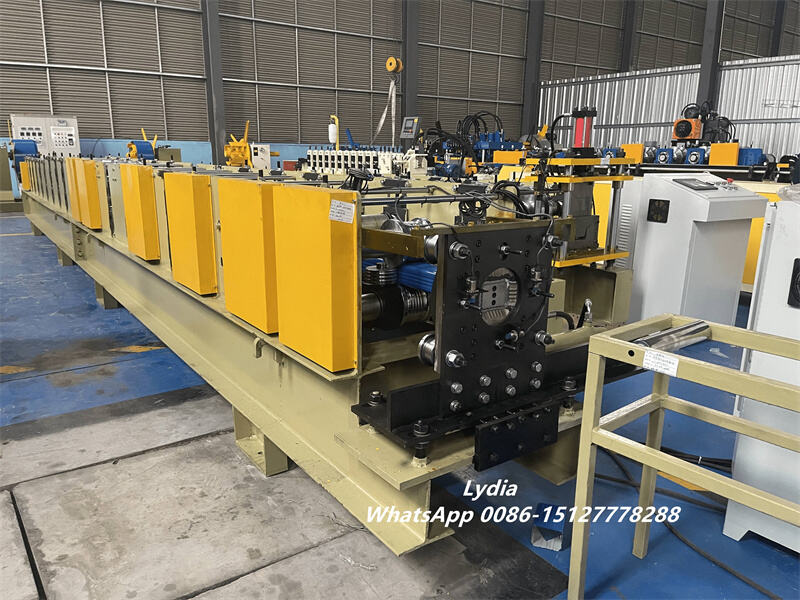
Production accuracy, material compatibility, and mechanical stability directly influence the quality of finished downpipes. Therefore, ZTRFM focuses on these aspects when configuring each Downspout Making Machine.
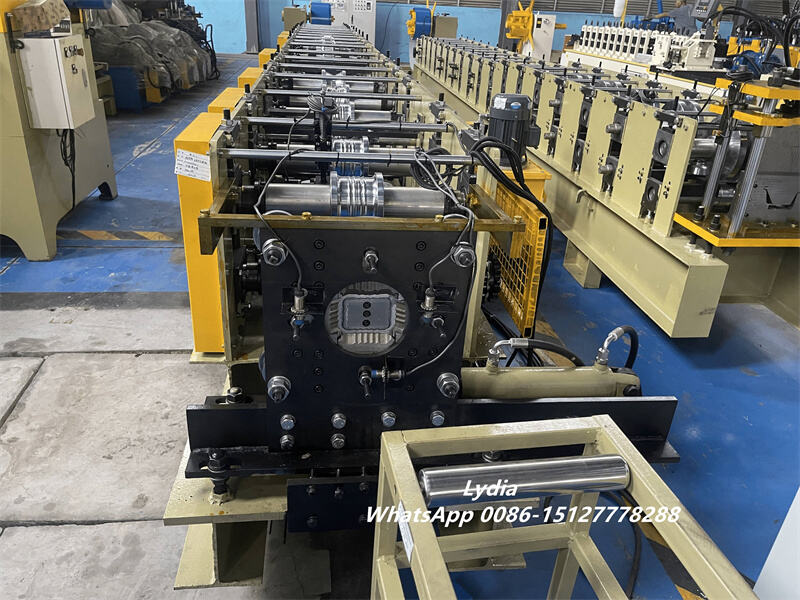
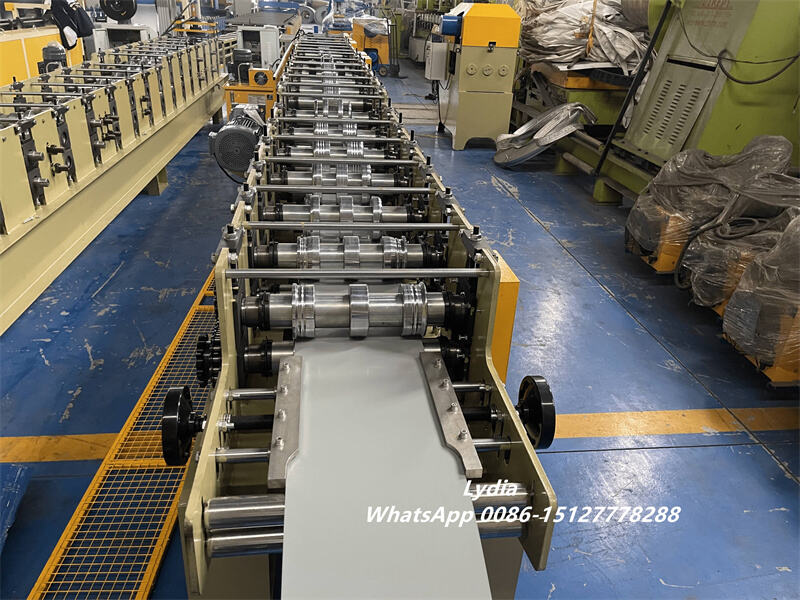
The forming section uses multiple roller stations to gradually shape the metal sheet. This progressive process helps maintain consistent dimensions while reducing unnecessary stress on the material. Meanwhile, the guiding system keeps the strip aligned throughout production, helping prevent profile deviations and surface scratches.
Material flexibility allows manufacturers to process PPGI, galvanized steel, aluminum, and stainless steel according to the selected configuration. The PLC control system also allows operators to set production lengths, quantities, and batch requirements through the touch screen. The encoder tracks the feeding distance and sends signals to the automatic cutting system, helping coordinate continuous forming and cutting operations.
For businesses producing multiple roofing accessories, adding a square channel machine can further expand the available product range. Manufacturers can produce compatible square drainage profiles and other metal channels according to their customers’ requirements.
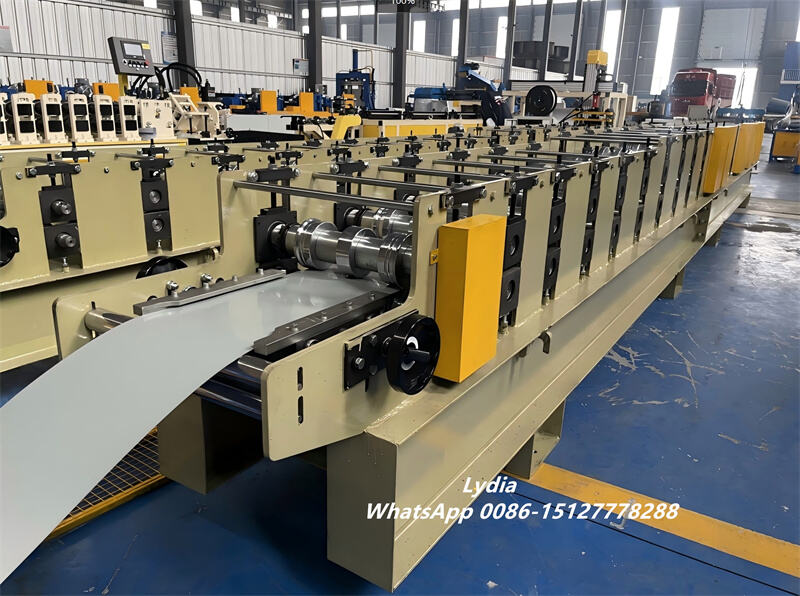
3. Technical Specifications of the Downspout Roll Forming Machine
ZTRFM provides customized Downpipe Roll Forming Machines according to customers’ profile drawings, material thicknesses, production speeds, and factory requirements. The following table shows a reference configuration.
| Item | Technical Specifications |
|---|---|
| Forming Material | PPGI, GI, Aluminum, Stainless Steel |
| Material Thickness | 0.3–0.8 mm |
| Decoiler | Hydraulic Automatic Decoiler |
| Optional Decoiler | Manual Decoiler |
| Forming Stations | 18 Rows (Customizable) |
| Shaft Diameter | 80 mm Solid Shaft |
| Roller Material | 45# Steel, Hard Chrome Plated |
| Machine Frame | 350 H Steel |
| Transmission | Chain Drive |
| Machine Dimensions | 9500 × 1600 × 1600 mm (Customizable) |
| Machine Weight | Approx. 6.5 Tons |
| Cutting System | Automatic Hydraulic Cutting |
| Blade Material | Cr12MoV |
| Main Motor Power | 5.5 kW |
| Hydraulic Station Power | 5.5 kW |
| Voltage | 380V, 50Hz, 3 Phase (Customizable) |
| Control System | PLC Automatic Control |
| Operation Language | English / Multiple Languages |
| Forming Speed | 15–20 m/min |
Note: The above specifications describe a reference machine configuration. Actual parameters may vary depending on the selected pipe profile, material thickness, and production requirements.
4. Production Process: From Metal Coil to Finished Downpipe
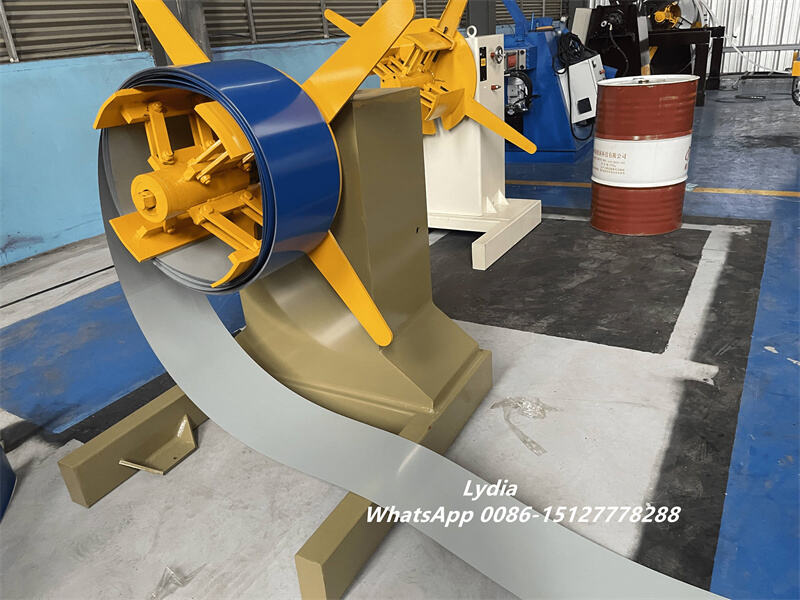
The Downpipe Roll Forming Machine combines several processing stages into one continuous production line. Once the operator loads the coil and enters the required production settings, the equipment performs the main manufacturing operations automatically.
First, the operator places the metal coil onto the hydraulic decoiler. The decoiler supports the coil and releases the material steadily. Next, the leveling and feeding sections remove minor sheet irregularities and guide the strip toward the forming rollers. This preparation helps maintain stable material feeding.
After that, the metal sheet enters the forming section. Multiple roller stations gradually bend the flat material into the required round, square, or rectangular profile. Because each station performs part of the forming process, the machine maintains a consistent shape throughout production.
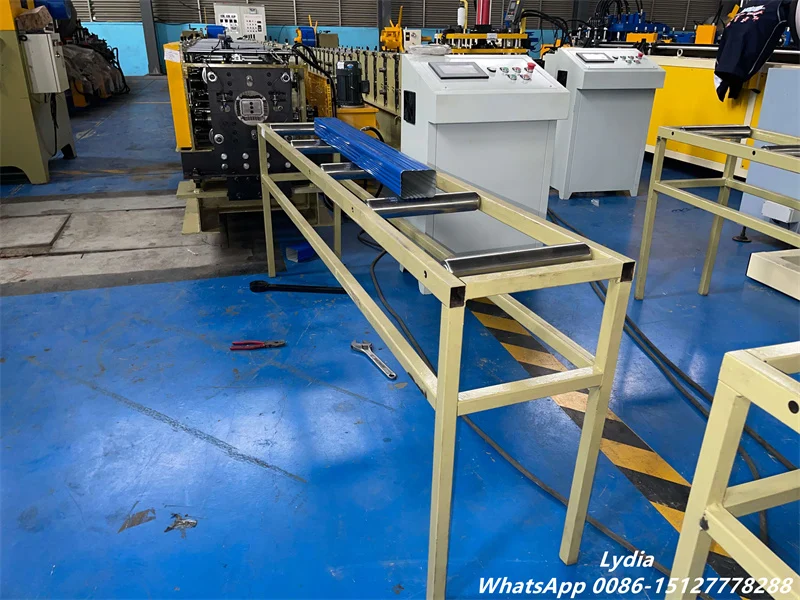
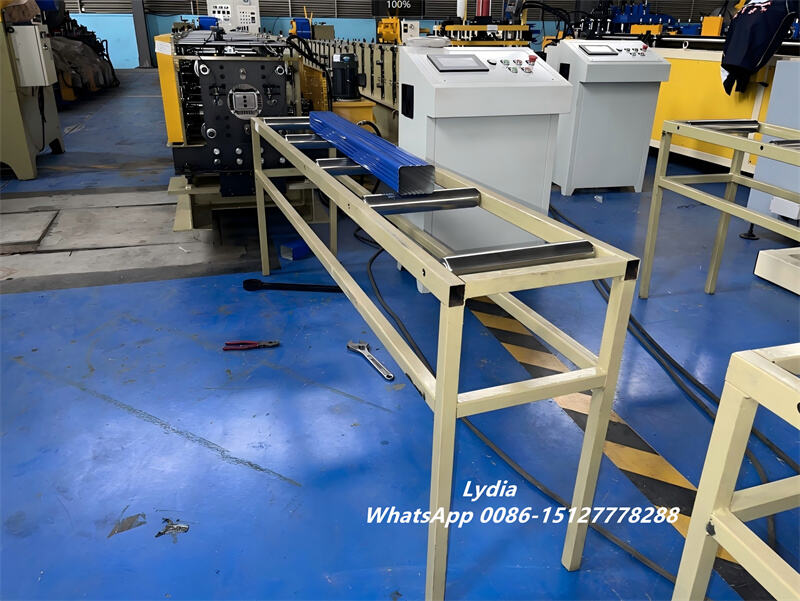
Once the pipe reaches the specified length, the encoder sends a signal to the PLC control system. The automatic cutting unit then cuts the material according to the preset dimensions. Finally, the finished downpipes move along the output conveyor for collection, inspection, and packaging.
For manufacturers who want to supply complete drainage systems, a downspout gutter making machine can complement the downpipe production line. The gutter equipment produces roof drainage channels, while the downpipe machine manufactures the vertical pipes that carry rainwater toward the ground drainage system.
5. Downspout Elbow Production and Roof Drainage Applications
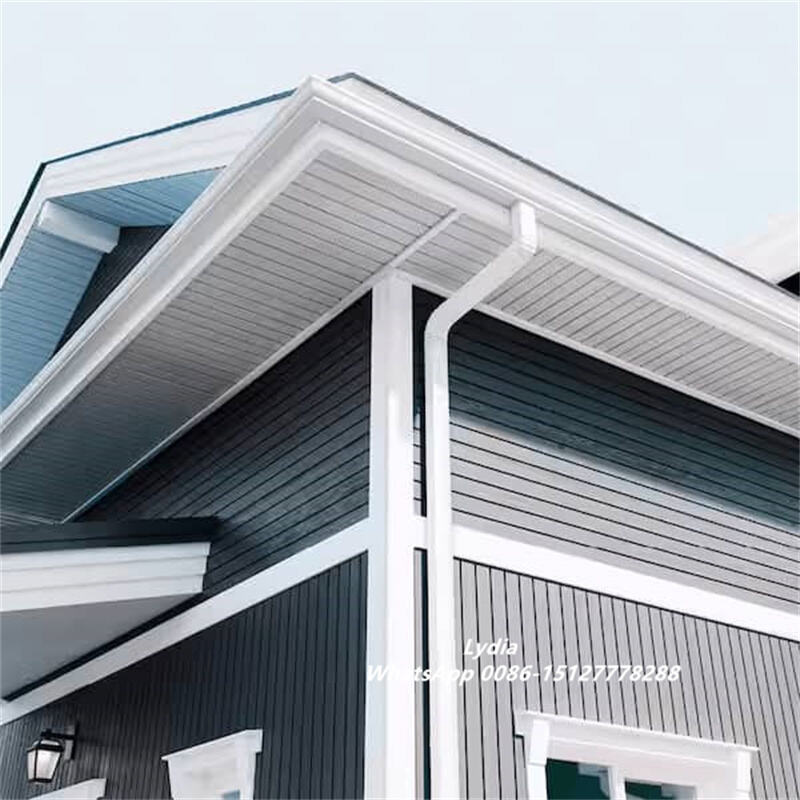
Straight downpipes represent only one part of a complete roof drainage system. During installation, contractors also need elbows to change the direction of water flow around roof edges, walls, and building corners. Therefore, manufacturers may consider adding a dedicated downspout elbow machine to complement their straight-pipe production line.
A suitable downspout elbow machine for sale should match the required pipe dimensions, material thickness, bending angles, and connection design. With the appropriate equipment configuration, manufacturers can produce compatible elbow components for different downspout profiles.
In addition, a roof pipe making machine provides manufacturers with an opportunity to expand their roofing accessory business. By supplying gutters, straight downpipes, square drainage channels, and elbow fittings, companies can offer more complete solutions to roofing contractors, construction companies, and building material distributors.
ZTRFM provides customized roll forming equipment based on customer requirements. Whether you need a standard round downpipe line, a 3×3 downspout pipe machine, or a customized square and rectangular pipe production system, our engineering team can develop a suitable configuration according to your drawings and production targets.
Choosing the right downspout machine can help improve manufacturing consistency, reduce manual processing, and support long-term business growth in the metal roofing and building materials industry.
FAQ
1. What materials can a Downpipe Roll Forming Machine process?
A Downpipe Roll Forming Machine can process galvanized steel (GI), pre-painted galvanized steel (PPGI), aluminum, and stainless steel, depending on the machine configuration. The standard material thickness ranges from 0.3 to 0.8 mm.
2. Can the machine produce 3×3 square downspouts?
Yes. A 3×3 downspout pipe machine can produce square downpipes measuring 3 × 3 inches with the corresponding roller configuration. ZTRFM can customize the forming system according to your profile drawings.
3. Can this equipment be used as a downspout gutter making machine?
A downspout gutter making machine and a downpipe production line perform different forming operations. Manufacturers can install both machines in the same factory to produce compatible roof drainage components.
4. Do I need a separate downspout elbow machine?
Yes. A dedicated downspout elbow machine produces elbow fittings that connect straight downpipes and change the direction of water flow. If you are looking for a downspout elbow machine for sale, you should confirm the required pipe dimensions and bending angles.
5. Can ZTRFM provide a complete roof drainage production solution?
Yes. ZTRFM can supply a roof pipe making machine, downpipe production equipment, and complementary machines such as a square channel machine. Customers can select suitable equipment according to their production requirements.


Reviews
There are no reviews yet.