
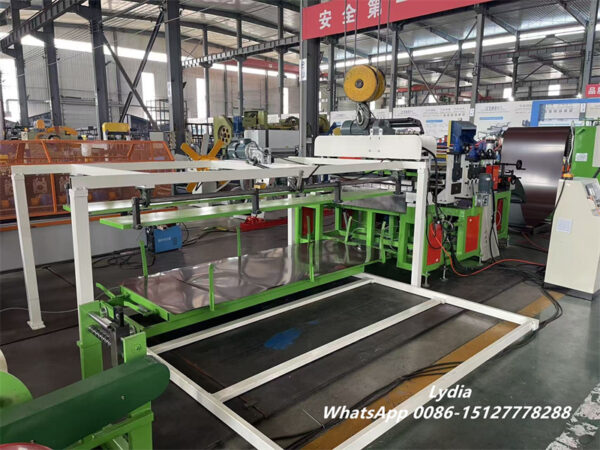
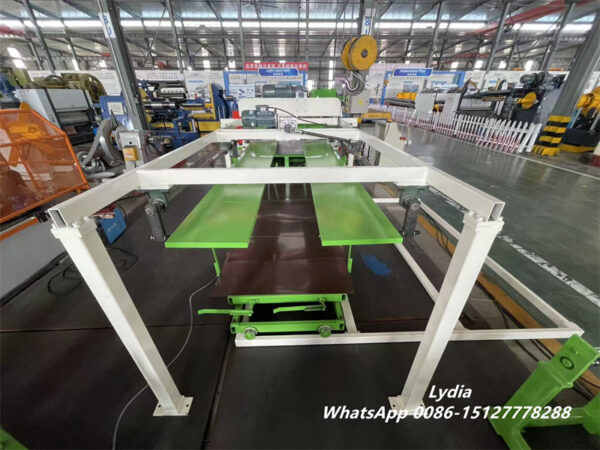
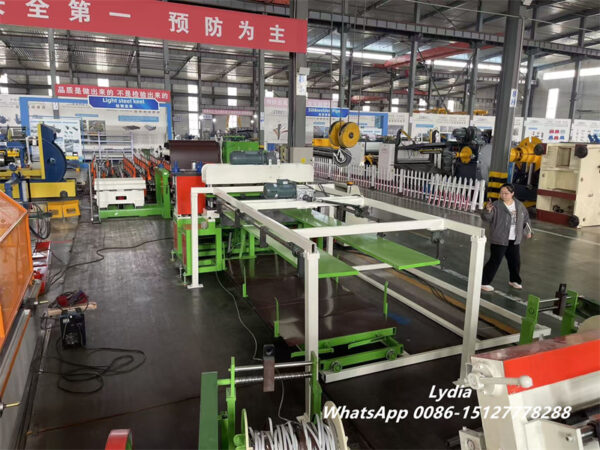
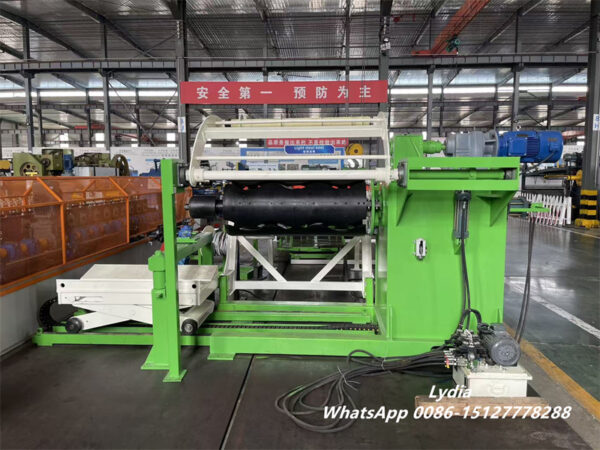
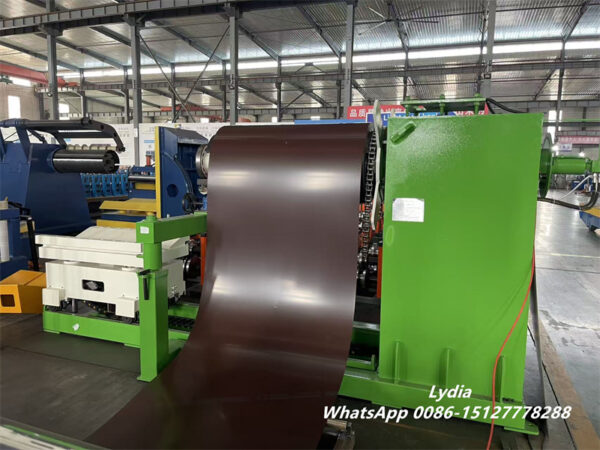
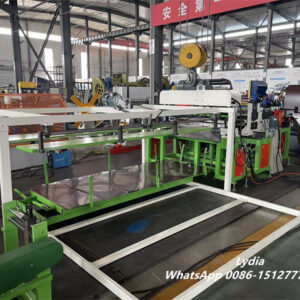
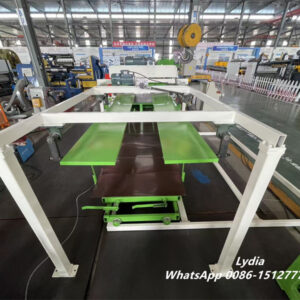
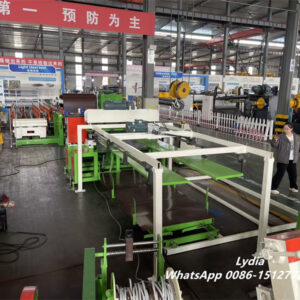
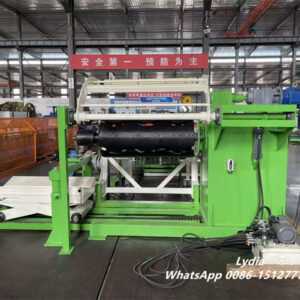
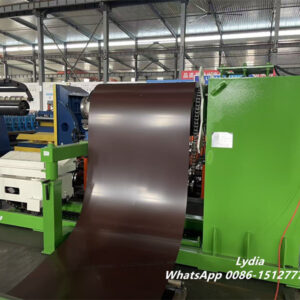

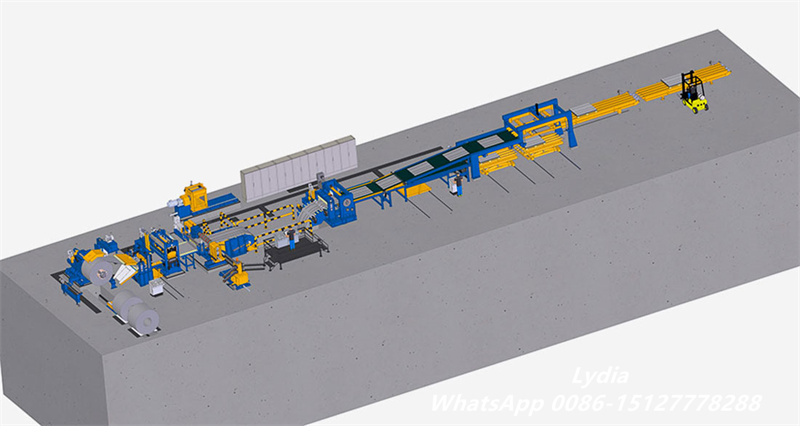
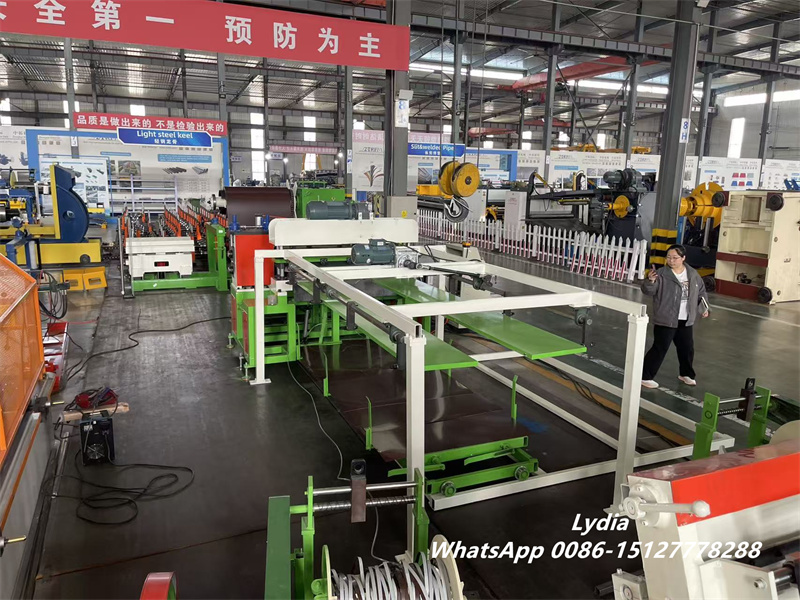
The Combined Slitting and Cut-to-Length Line integrates multiple metal processing functions into a single automated production system. Instead of installing separate machines for slitting and cut-to-length operations, manufacturers can process wide metal coils into narrow strips or flat sheets using one flexible production line.
By adjusting the machine settings and switching the cutting mode, operators can quickly transition between longitudinal slitting and transverse cut-to-length processing. As a result, this integrated system significantly improves production efficiency while reducing equipment investment and floor space requirements.
Moreover, when equipped with a multiblanking system, the production line can perform both slitting and sheet blanking simultaneously. This allows manufacturers to complete multiple cutting operations within a single workflow, greatly enhancing productivity and material utilization.
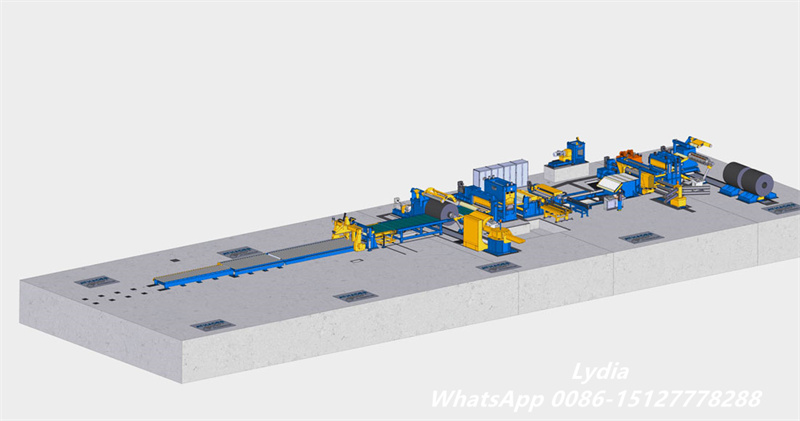
Main Components of the Production Line
To ensure stable operation and high precision processing, the combined line includes several essential machines that work together as a complete automated system.
The typical configuration includes:
- Coil loading car
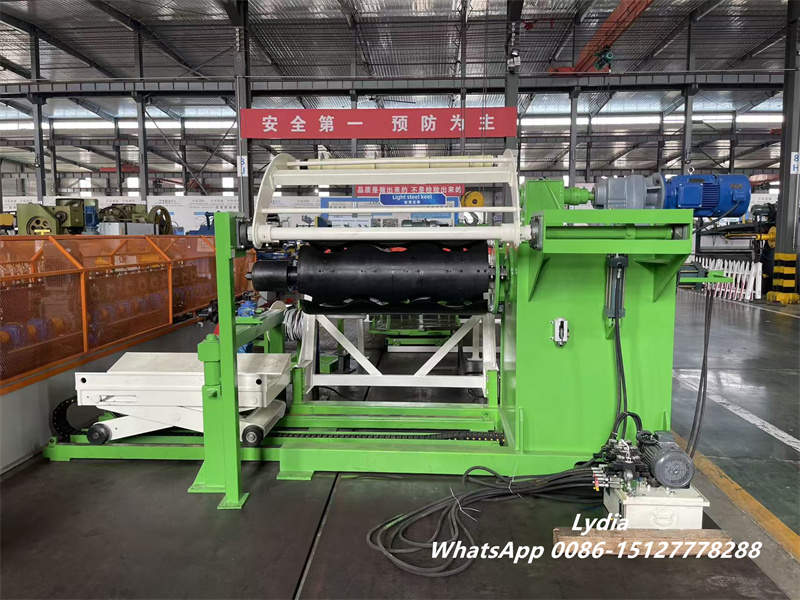
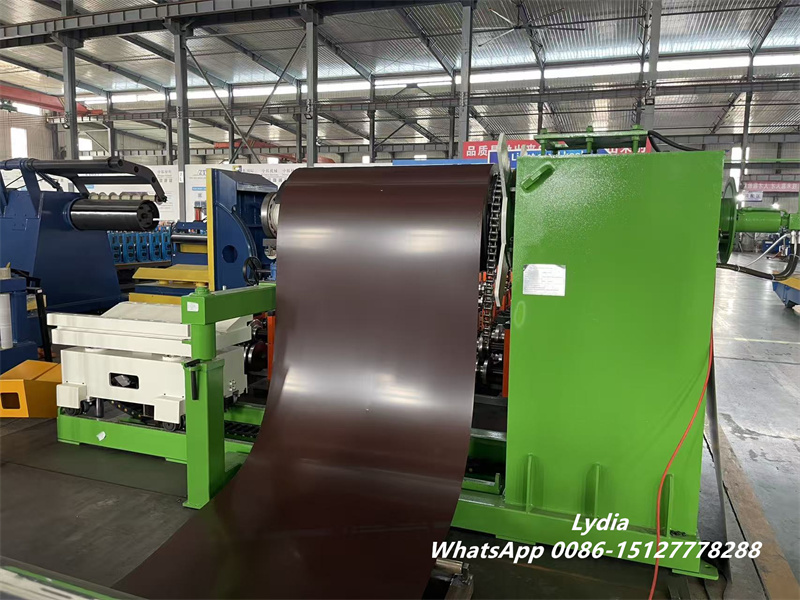
- Hydraulic uncoiler (decoiler)
- Coil peeler and entry guide system
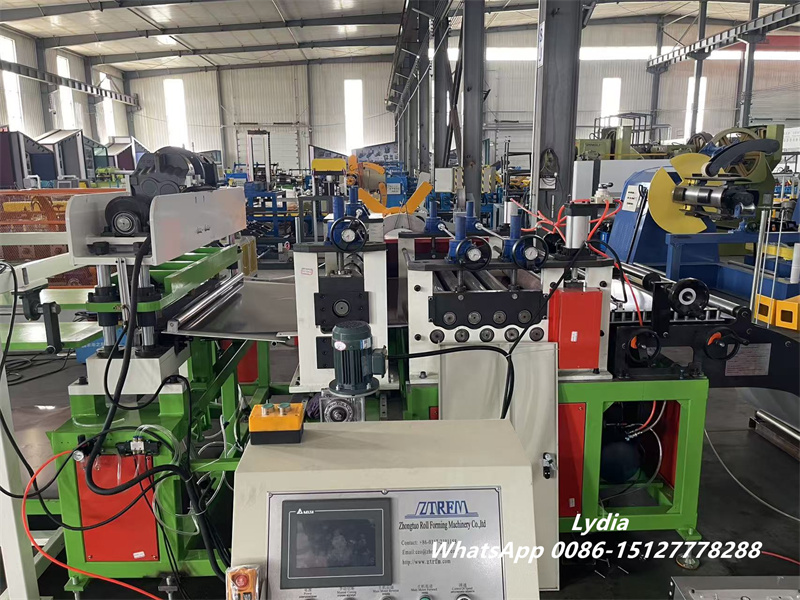
- Precision leveling machine
- Slitting head with adjustable blades
- Encoder-controlled cutting system
- Cut-to-length shear
- Scrap winder system
- Recoiler for slit coils
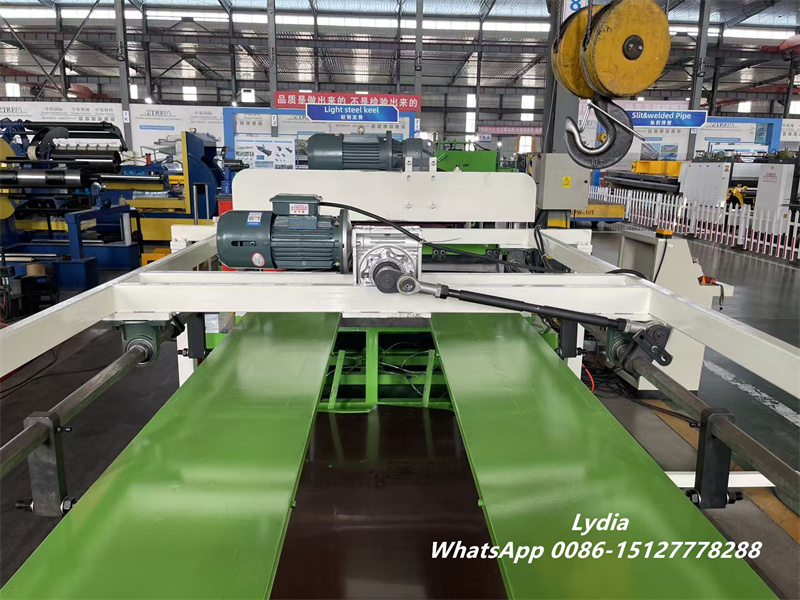
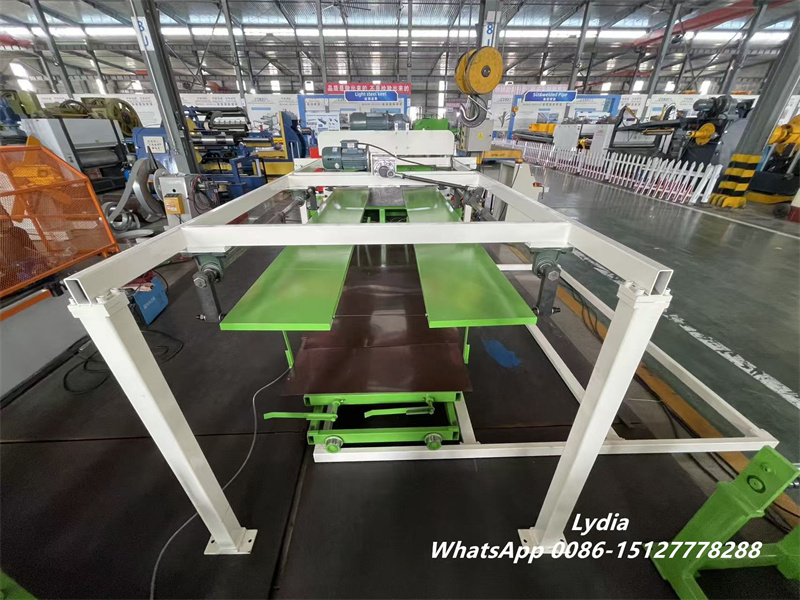
- Conveyor and sheet stacker
- Hydraulic and PLC control system
First, the coil-loading car transports the steel coil to the uncoiler. Then the coil enters the leveling machine to remove internal stress and ensure flatness. After leveling, the material passes through the slitting head, where circular blades cut the coil into strips of the required width.
Finally, depending on the production mode, the machine either recoils the slit strips or cuts the material into flat sheets and automatically stacks them.
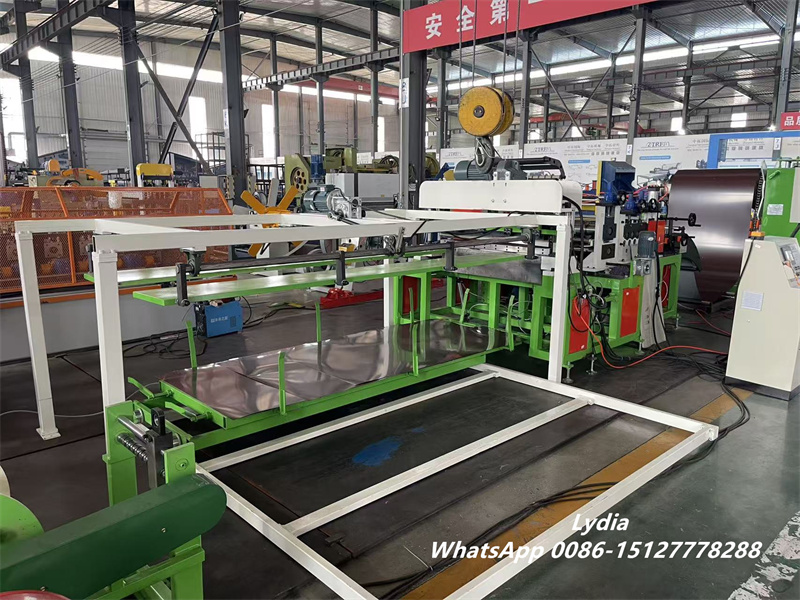
Working Principle of the Slitting System
The slitting section plays a crucial role in determining product accuracy and productivity.
The slitting machine uses upper and lower circular blades mounted on high-strength shafts. Operators can adjust the blade positions according to the required strip width. After adjustment, spacers and locking sleeves secure the blades on the shaft to maintain cutting precision.
Because the blades rotate synchronously, the system produces smooth cutting edges with minimal burrs. This design ensures reliable performance when processing different materials such as:
- Galvanized steel coils
- Pre-painted steel coils (PPGI)
- Stainless steel coils
- Hot-rolled or cold-rolled steel
- Aluminum coils
- Silicon steel sheets
These finished materials are widely used in roll forming, transformer manufacturing, electronics, and construction industries.
Key Technical Specifications
The combined slitting and cut-to-length line can process thin to medium-thickness metal coils while maintaining high cutting precision.
| Parameter | Specification |
|---|---|
| Applicable Materials | Mild Steel, Stainless Steel, Aluminum |
| Material Strength | ≤510 MPa |
| Coil Thickness | 2 – 6 mm |
| Maximum Coil Width | 1600 mm |
| Coil Inner Diameter | 500 – 800 mm |
| Maximum Coil Outer Diameter | 2000 mm |
| Maximum Coil Weight | 15 Tons |
| Slitting Shaft Diameter | 240 mm (40Cr material) |
| Slitting Blade Size | 240 × 400 × 20 mm |
| Blade Hardness | HRC 58 – 60 |
| Slitting Speed | 0 – 40 m/min |
| Width Tolerance | ≤ ±0.5 mm / 2 m |
Advantages of the Combined Production Line
Compared with traditional standalone machines, this integrated metal processing line offers several important advantages.
First, the system combines slitting, blanking, and cut-to-length functions into one production line. Therefore, manufacturers can significantly reduce equipment investment and installation space.
Second, the automated adjustment system allows operators to change cutting modes quickly. As a result, production flexibility improves while downtime decreases.
In addition, the precision leveling system and high-hardness blades ensure excellent cutting quality and stable long-term operation.
Other major advantages include:
- Higher production efficiency
- Reduced labor requirements
- Improved material utilization
- Stable cutting precision
- Flexible production capability
Production Capacity and Installation Requirements
The entire production line occupies approximately 30 meters in length and 6 meters in width, making it suitable for medium to large metal processing workshops.
Typically, only three operators are required to run the system efficiently:
- 1 skilled technician
- 2 general workers
The equipment operates with 380V / 50Hz / 3-phase power supply .

Reviews
There are no reviews yet.