
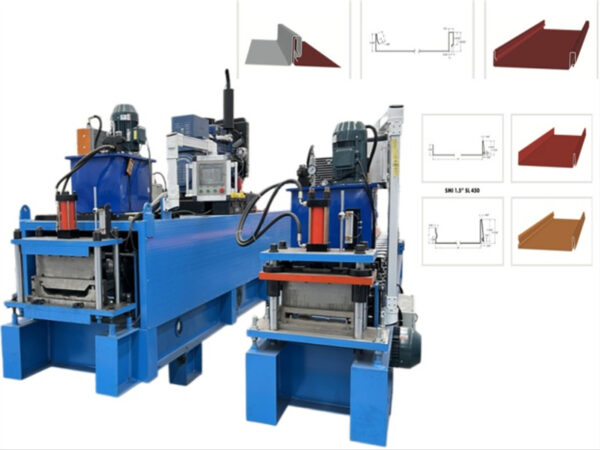
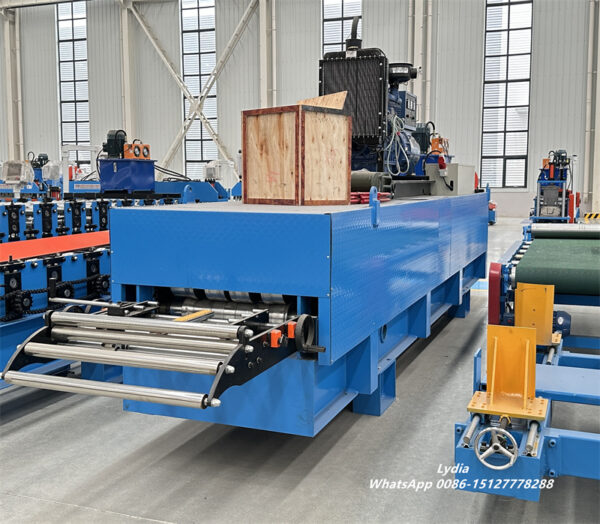
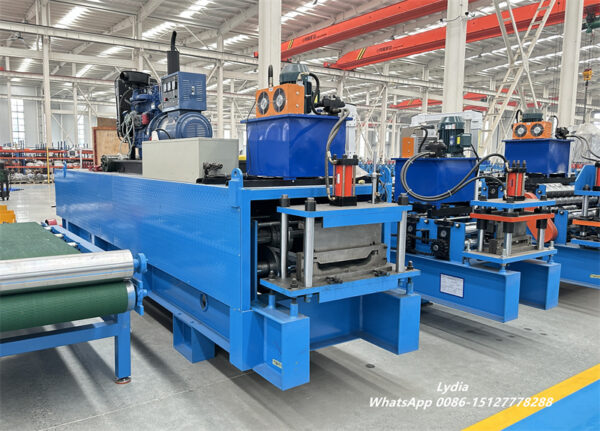
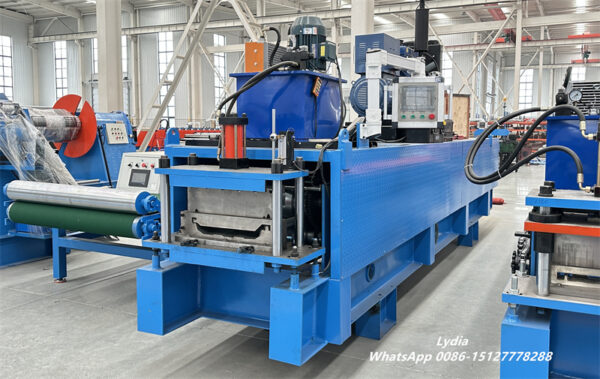
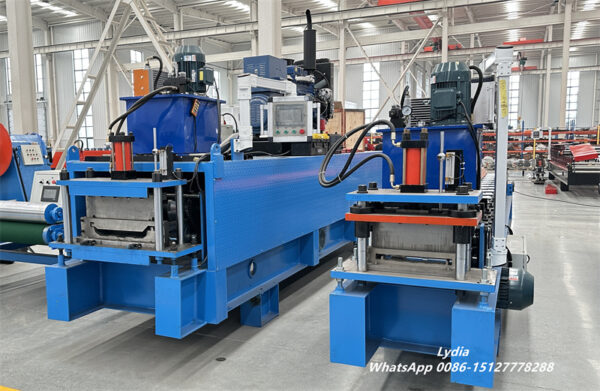
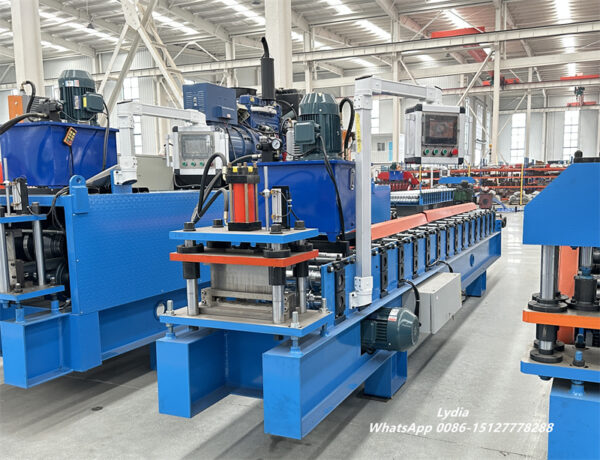
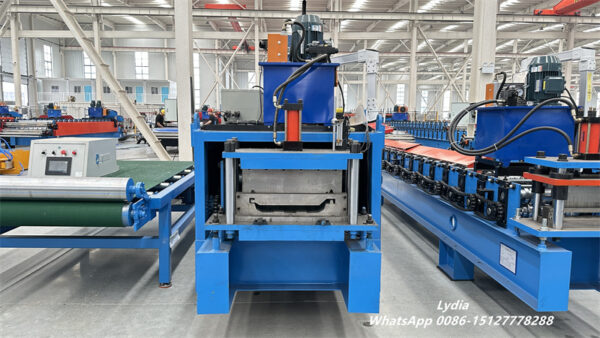

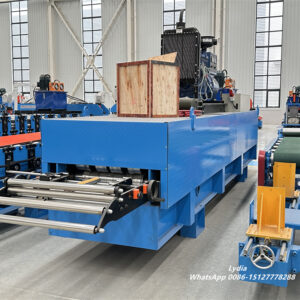
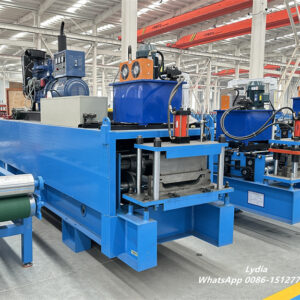
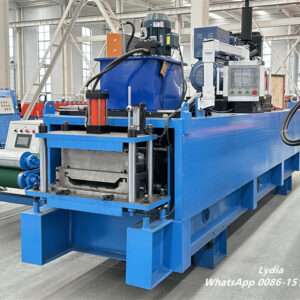
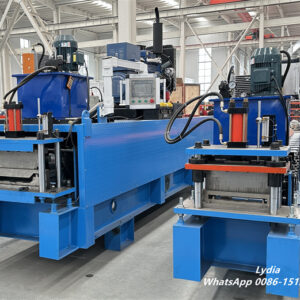
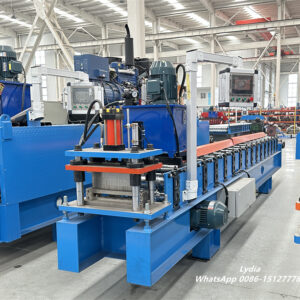
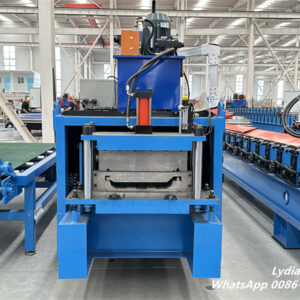
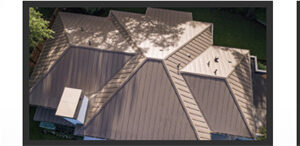

As the global construction industry increasingly demands durable, energy-efficient, and weather-resistant roofing systems, Standing Seam Roof Panel Roll Forming Machines have become an essential investment for roofing manufacturers. Compared with traditional exposed-fastener roofing panels, standing seam roofing systems provide superior waterproof performance, longer service life, improved aesthetics, and lower maintenance costs.
Today, standing seam metal roofs are widely used in commercial buildings, industrial workshops, logistics centers, airports, sports facilities, warehouses, agricultural buildings, and high-end residential projects. Consequently, the demand for reliable and high-capacity Standing Seam Roofing Sheet Roll Forming Machines continues to grow worldwide.
A modern standing seam production line allows manufacturers to produce continuous-length roofing panels directly from metal coils while maintaining excellent dimensional accuracy and surface quality. Furthermore, advanced roll forming technology enables the production of various panel profiles such as Snap Lock, Mechanical Seam, Double Lock Standing Seam, and Klip-Lok roofing systems.

How a Standing Seam Roof Panel Roll Forming Machine Works
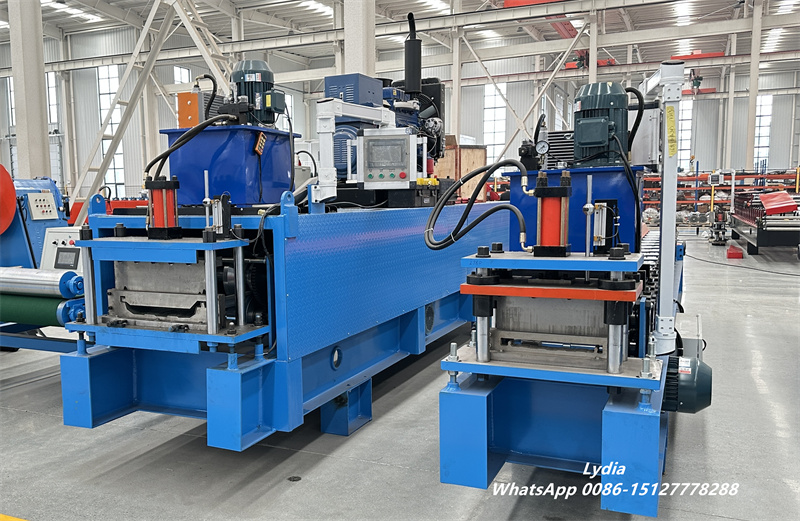
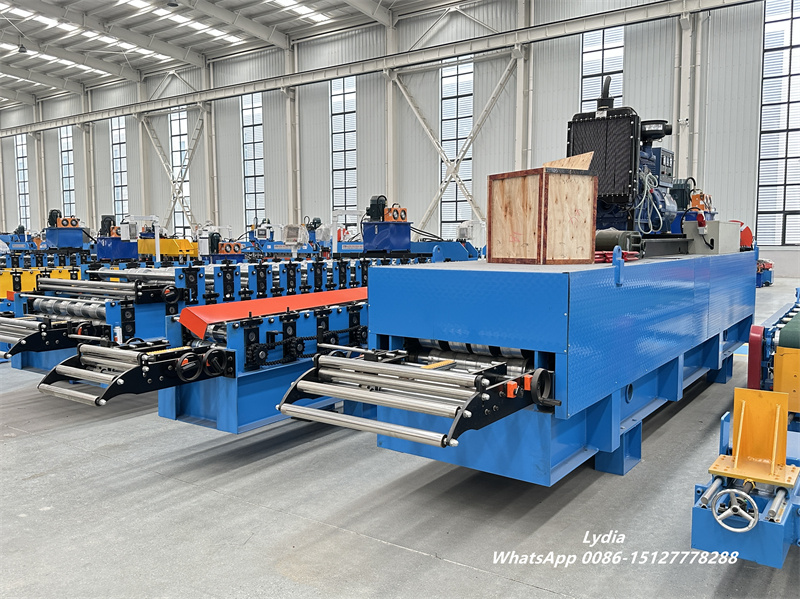
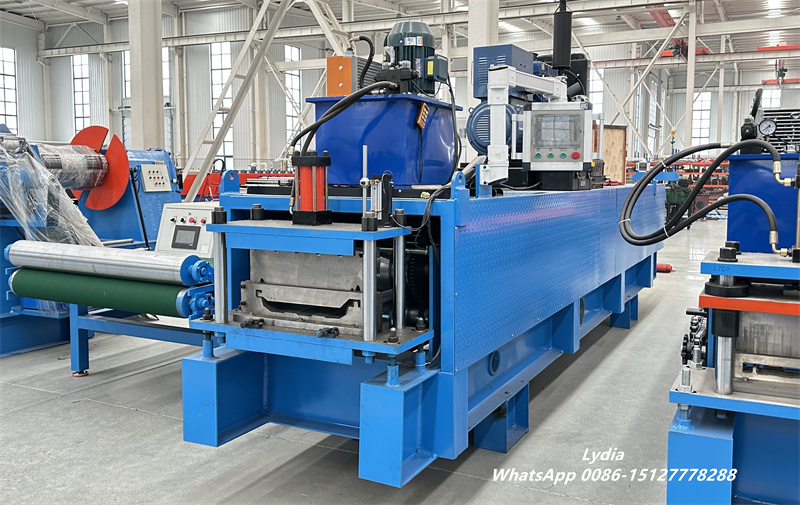
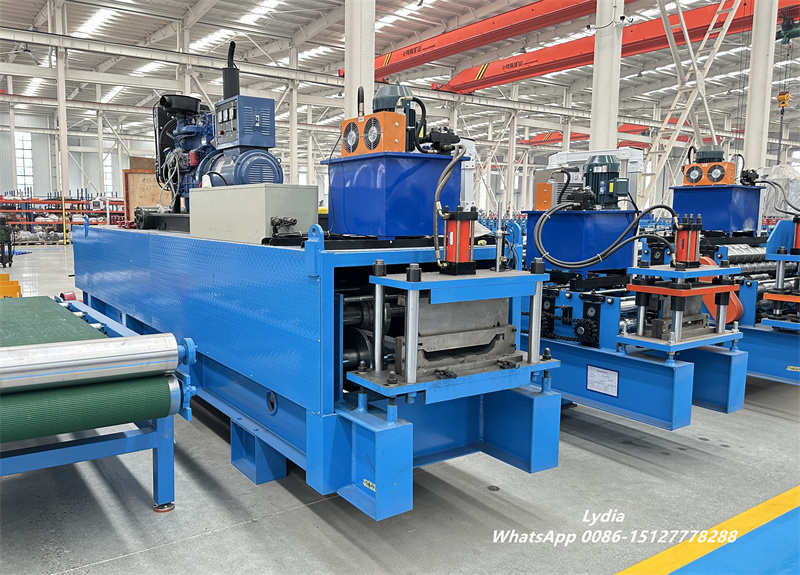
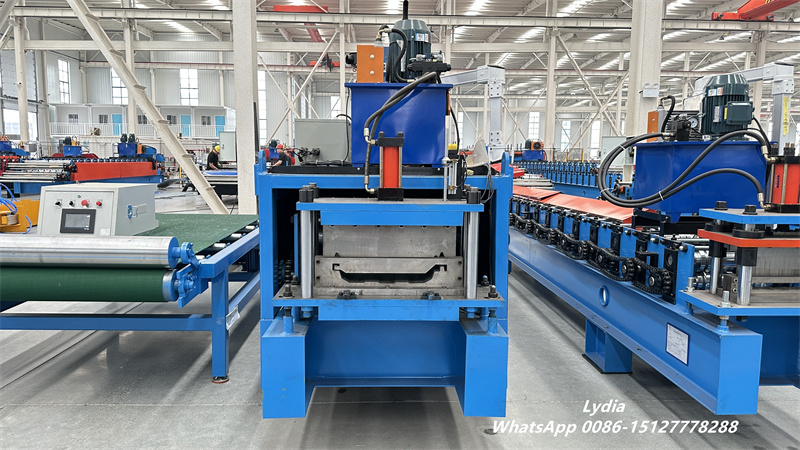
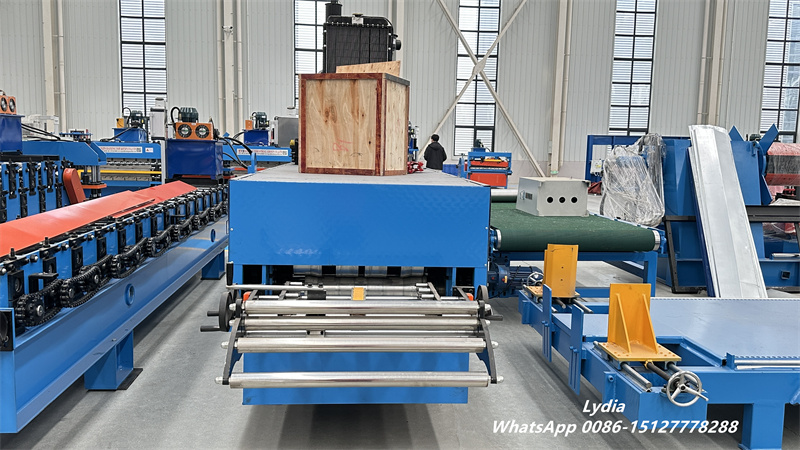
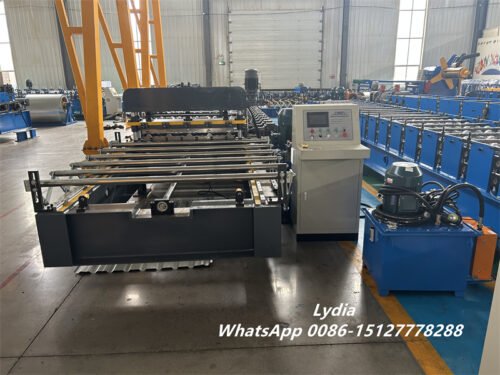
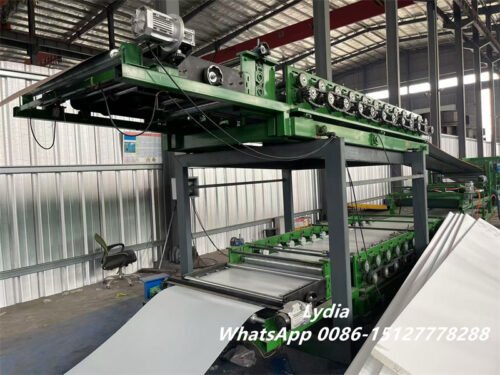
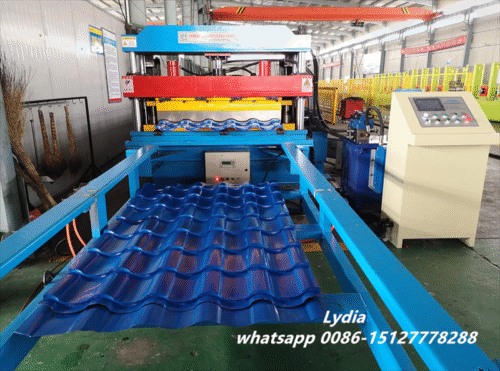
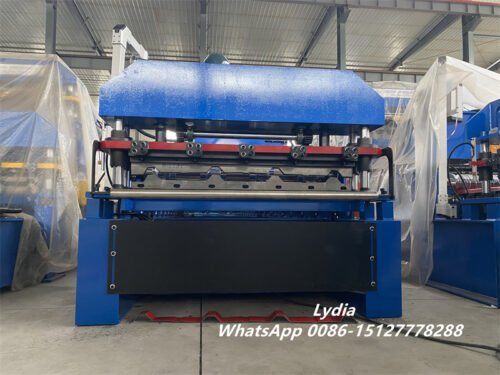
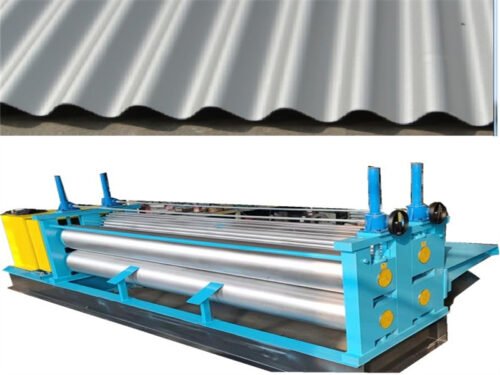
A Standing Seam Roof Panel Roll Forming Machine converts flat metal coils into finished roofing panels through a continuous cold-forming process.
The production process begins with coil loading. The metal coil is placed onto the hydraulic decoiler, which gradually unwinds the material and feeds it into the machine. Next, the feeding system guides the strip through a series of precision-engineered roll forming stations.
Each forming station progressively bends the metal without damaging the coating or compromising material strength. As the strip passes through the roll forming section, the machine gradually develops the complete standing seam profile.
After forming, the hydraulic cutting system cuts the finished panel according to the programmed length. Finally, the completed roofing panel exits the machine and moves to the collection table for packaging and transportation.
The entire process operates automatically through a PLC control system, ensuring consistent production quality and high manufacturing efficiency.
Common Standing Seam Roofing Profiles Produced by the Machine
Different regions and roofing markets require different standing seam configurations. Therefore, manufacturers often choose machines capable of producing multiple profile types.
Snap Lock Standing Seam Panels
Snap Lock roofing systems are among the most popular standing seam products in North America and many international markets.
These panels feature specially designed seams that snap together during installation without requiring mechanical seaming equipment. As a result, installation becomes faster and more economical.
Popular Snap Lock profiles include:
| Profile | Panel Width | Seam Height |
|---|---|---|
| Snap Lock 450 | 16″ | 1.5″ |
| Snap Lock 550 | 19″ | 1.5″ |
| Snap Lock 675 | 18″ | 1.75″ |
| Snap Lock 200 | 18″ | 2.0″ |
Because of their ease of installation, Snap Lock panels are frequently used in residential roofing projects and light commercial construction.
What Is a Standing Seam Roof?
A Standing Seam Roof is a metal roofing system that features vertical legs and concealed fastening technology. Unlike conventional corrugated roofing sheets that use exposed screws, standing seam panels are attached to the roof structure through hidden clips located beneath the seams.
The seams extend vertically above the flat surface of the roofing panel, creating a strong mechanical connection between adjacent panels. As a result, the roof achieves superior resistance to water penetration, thermal movement, wind uplift, and environmental exposure.
One of the defining characteristics of standing seam roofing is the absence of exposed fasteners. Since screws are not directly exposed to sunlight, rain, snow, and temperature fluctuations, the risk of leakage caused by fastener deterioration is significantly reduced.
Additionally, the elevated seam design increases panel rigidity and structural strength. Therefore, standing seam roofs are commonly selected for projects requiring exceptional weather resistance and long-term durability.
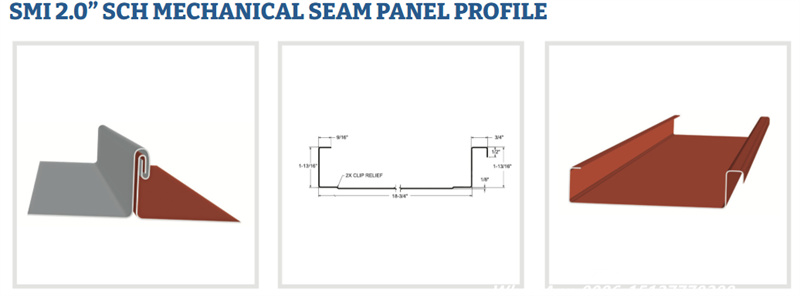
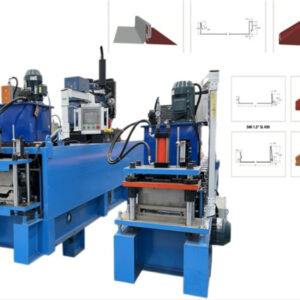
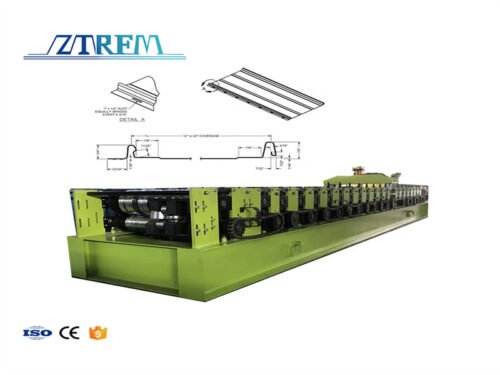
SMI 2. 0″ SCH MECHANICAL SEAM PANEL PROFILE PANEL INFORMATION
Panel Type: Standing Seam
Panel Seam: SnapLock
Panel Width: 18” (Steel) / 16″ (Aluminum)
Seam Height: 1.75”
Panel Material: 22 ga—24 ga min, .040
Panel Surface: Smooth / Embossed Optional
Panel Clip: Required Per Engineering
Minimum Slope: 2/12
Substrate: Plywood, B-Deck w/ISO
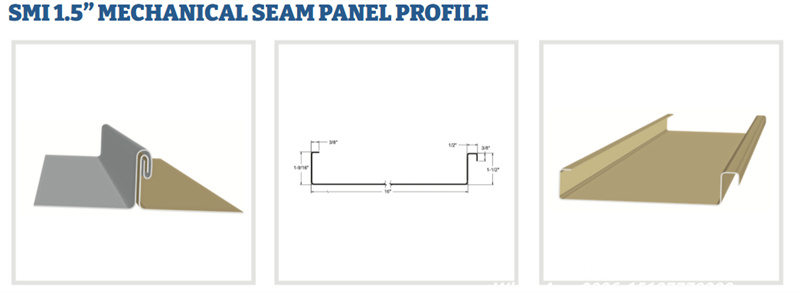
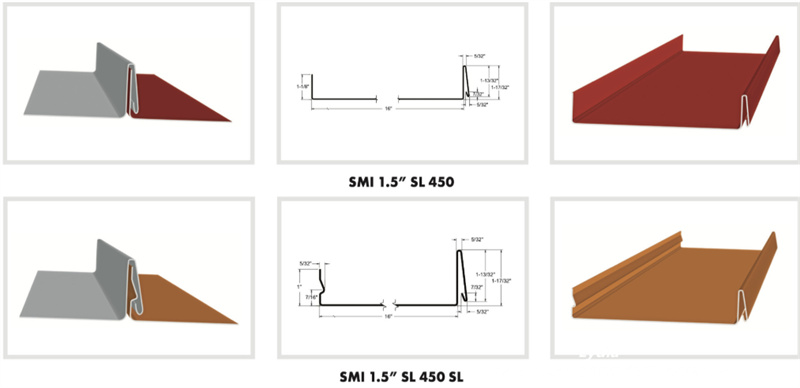
SMI1.5″MECHANICAL SEAMPANEL PROFILE PANEL INFORMATION
Panel Type: Standing Seam
Panel Seam: Mechanical
Panel Width: 16”
Seam Height: 1.5”
Panel Material: 22 ga—24 ga min, .032
Panel Surface: Smooth / Embossed Optional
Panel Clip: Required Per Engineering
Minimum Slope: 2/12
Substrate: Plywood, B-Deck, B-Deck w/ISO
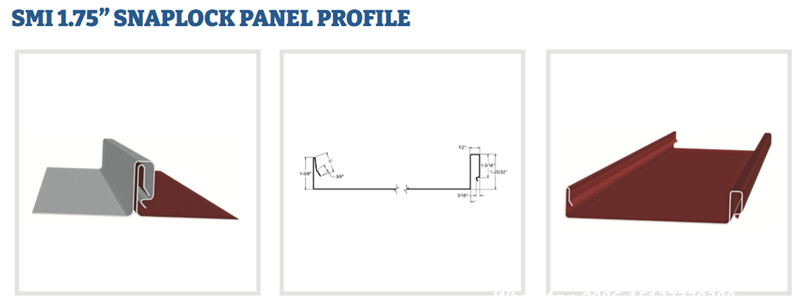
SMI 1.75″ SNAPLOCK PANEL PROFILE PANEL INFORMATION
Panel Type: Standing Seam
Panel Seam: SnapLock
Panel Width: 18” (Steel) / 16″ (Aluminum)
Seam Height: 1.75”
Panel Material: 22 ga—24 ga min, .040
Panel Surface: Smooth / Embossed Optional
Panel Clip: Required Per Engineering
Minimum Slope: 2/12
Substrate: Plywood, B-Deck w/ISO
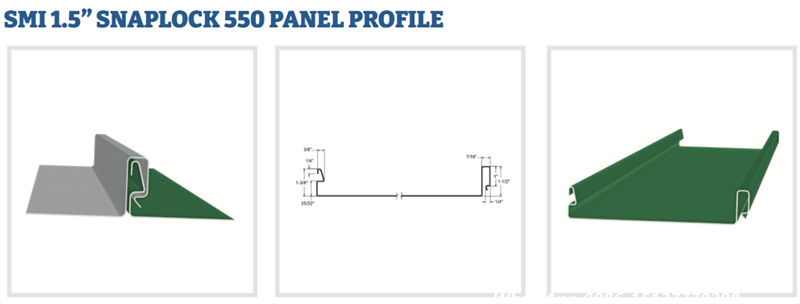
SMI 1.5″ SNAPLOCK 550 PANEL PROFILE PANEL INFORMATION
Panel Type: Standing Seam
Panel Seam: SnapLock
Panel Width: 19” (Steel) / 15″ (Aluminum)
Seam Height: 1.5”
Panel Material: 22 ga—24 ga min, .032
Panel Surface: Smooth / Embossed Optional
Panel Clip: Required Per Engineering
Minimum Slope: 2/12
Substrate: Plywood (Steel), Plywood, B-Deck, B-Deck w/ISO (Aluminum)
Main Characteristics of Standing Seam Roof Panels
- Concealed fastening system
- Excellent waterproof performance
- Superior wind uplift resistance
- Long service life
- Attractive architectural appearance
- Reduced maintenance requirements
- Suitable for low-slope roofing applications
- Compatible with solar panel mounting systems
- Ideal for snow retention systems
- Available in continuous panel lengths
Because of these advantages, standing seam roofing has become one of the fastest-growing segments in the global metal roofing market.
Mechanical Seam Standing Seam Panels
Mechanical seam systems provide an even higher level of weather resistance.
Unlike Snap Lock panels, these profiles require mechanical seaming after installation. Specialized electric or manual seamers fold adjacent panel legs together, creating an exceptionally strong and watertight connection.
Common mechanical seam profiles include:
- 1.5″ Mechanical Seam
- 2.0″ Mechanical Seam
- Double Lock Standing Seam
- SCH Mechanical Seam Systems
These systems are commonly installed in regions that experience severe weather conditions, heavy snowfall, or hurricane-force winds.
Double Lock Standing Seam Systems
The Double Lock Standing Seam Roof is often regarded as the premium solution for industrial and commercial roofing applications.
In this system, panel seams are folded twice during installation, creating an extremely secure mechanical connection. Consequently, the roof provides outstanding protection against wind-driven rain, snow accumulation, and thermal movement.
Double Lock systems are especially suitable for:
- Airports
- Manufacturing plants
- Logistics warehouses
- Sports complexes
- Government facilities
- Coastal construction projects
Klip-Lok Roofing Systems and Their Growing Popularity
In addition to traditional standing seam panels, many customers also require Klip-Lok Roof Panel Roll Forming Machines.
Klip-Lok roofing systems feature concealed fasteners and specially designed fixing clips. Unlike conventional roofing sheets, Klip-Lok panels are secured without penetrating the panel surface.
This design offers several significant benefits:
- No exposed screws
- Reduced leakage risk
- Improved thermal expansion performance
- Faster installation
- Enhanced appearance
- Long-span roofing capability
Because Klip-Lok roofing can be produced in continuous lengths directly from steel coils, expansion joints are often eliminated. Therefore, these systems are particularly popular in large industrial roofing projects throughout Australia, New Zealand, Southeast Asia, Africa, and the Middle East.
Materials Suitable for Standing Seam Roofing Production
Modern standing seam machines can process a wide variety of metal materials, including:
- Galvanized Steel
- Galvalume Steel
- Aluminum Coil
- Pre-painted Galvanized Steel (PPGI)
- Pre-painted Galvalume Steel (PPGL)
- Stainless Steel
- Zinc-Aluminum Alloy Steel
Material thickness typically ranges from 0.4 mm to 1.2 mm depending on the profile design and project requirements.
Because different roofing systems require different structural capacities, machine specifications can be customized accordingly.
Applications of Standing Seam Roofing Panels
The versatility of standing seam roofing systems makes them suitable for numerous building types.
Today, standing seam roofs are widely installed on:
- Industrial factories
- Distribution centers
- Commercial buildings
- Shopping malls
- Airports
- Railway stations
- Exhibition halls
- Sports stadiums
- Educational facilities
- Agricultural buildings
- Luxury residential homes
Moreover, the clean architectural appearance of standing seam panels continues to attract architects seeking modern design solutions.
Why Standing Seam Roofing Continues to Dominate the Premium Roofing Market
As building owners increasingly prioritize durability, sustainability, and energy efficiency, standing seam roofing systems continue to gain market share around the world.
Their concealed-fastener design minimizes maintenance requirements while providing exceptional protection against weather exposure. At the same time, their compatibility with solar energy systems and snow retention accessories makes them an attractive long-term investment.
For roofing manufacturers, investing in a Standing Seam Roof Panel Roll Forming Machine offers the ability to produce high-value roofing products that meet the evolving demands of modern construction. Whether manufacturing Snap Lock Roof Panels, Mechanical Seam Roofing Panels, Double Lock Standing Seam Systems, or Klip-Lok Roofing Sheets, a high-performance roll forming machine delivers the precision, efficiency, and reliability required for long-term success in today’s competitive roofing industry.


Reviews
There are no reviews yet.