
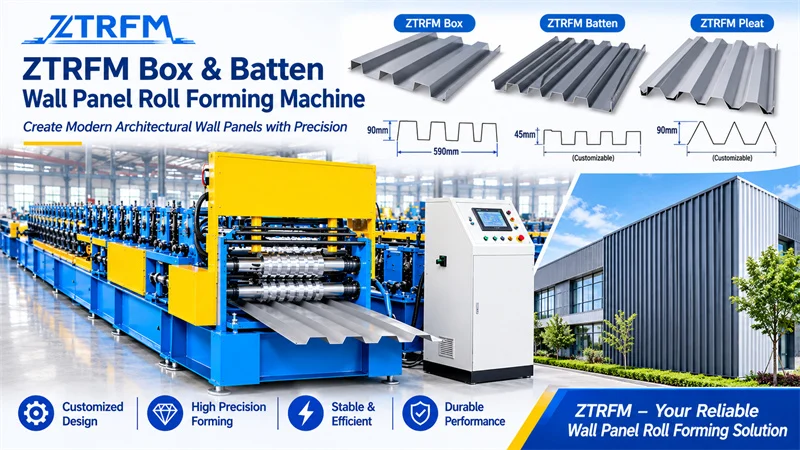

Modern architectural design requires building materials that deliver both visual appeal and practical performance. As a result, geometric metal wall cladding has become an increasingly popular choice for commercial, industrial, and residential construction. Compared with conventional corrugated panels, box-shaped and batten-style profiles create more distinctive lines, deeper shadows, and a cleaner architectural appearance.The ZTRFM Box & Batten Wall Panel Roll Forming Machine is specially designed to manufacture customized metal cladding panels with different geometric structures. By using precision-engineered forming rollers, the machine gradually transforms metal coils into decorative wall panels with consistent rib heights, accurate dimensions, and smooth surfaces. Furthermore, Zhongtuo can customize the production line according to different profile drawings, material specifications, and manufacturing requirements.
1. ZTRFM Geometric Metal Wall Panel Profiles
ZTRFM geometric wall panels offer a modern alternative to traditional corrugated metal cladding. Their distinctive cross-sectional designs create strong visual patterns across building façades. Moreover, different rib shapes allow architects and manufacturers to achieve various decorative effects without installing multiple individual components.
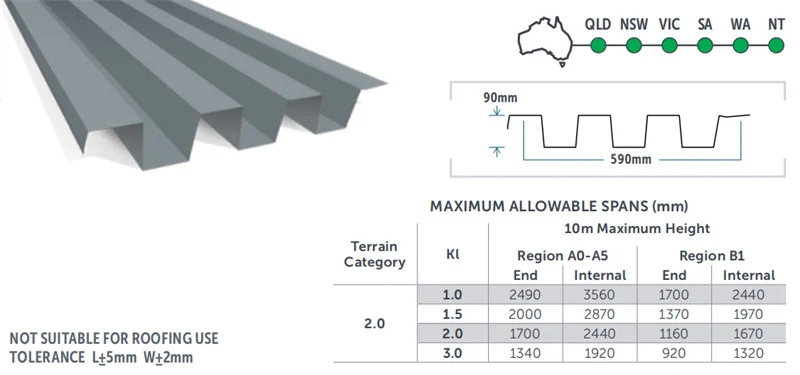
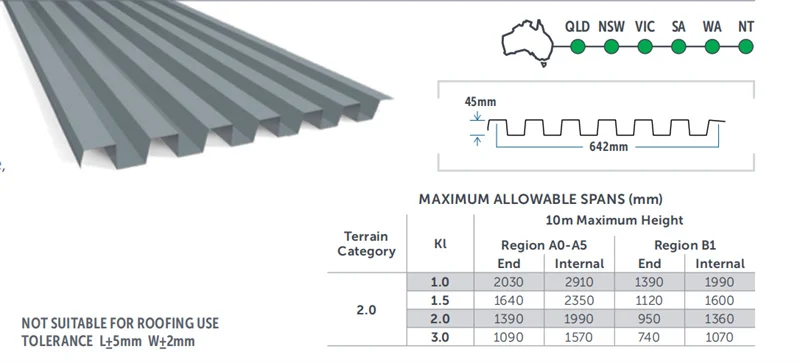
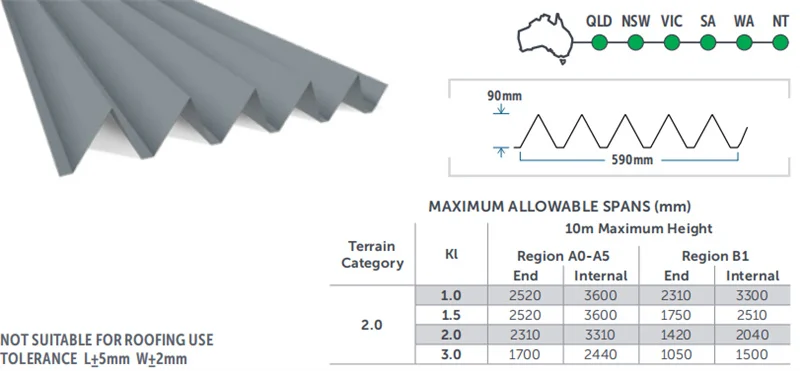
ZTRFM Box Wall Panel features a bold rectangular rib structure with a reference rib height of 90 mm. Its deep geometric shape creates strong vertical shadows and gives exterior walls a well-organized appearance. In addition, the profile helps guide rainwater along the panel surface, supporting drainage when incorporated into a properly designed wall cladding system.
For the reference Box profile, the effective coverage width is 590 mm, with a base metal thickness of 0.55 mm. The standard reference panel length ranges from 600 mm to 6,000 mm. Its pierced-fix installation method provides a practical fastening solution for suitable architectural applications.
ZTRFM Batten Wall Panel creates the appearance of a repeated batten system through one integrated metal profile. With a reference rib height of 45 mm, it produces bold linear patterns that suit both exterior façades and selected interior spaces. The profile depth can also provide space for airflow, helping support building heat management. Depending on the material and forming design, the panel can be curved to a radius of approximately 1.0 m.
ZTRFM Pleat Wall Panel introduces a different geometric appearance through its triangular rib structure. Its approximately 90 mm profile height creates sharp shadows and a distinctive surface pattern. Therefore, it works well for architectural projects that require more visual depth around windows, doors, corners, and other façade details.
Although these three profiles share a modern design concept, their cross-sections and forming requirements differ. Consequently, each profile needs carefully designed roller tooling to achieve the correct dimensions and finished appearance.
2. ZTRFM Wall Panel Specifications and Material Options
Different geometric wall panels serve different architectural purposes. For example, Box panels emphasize deep rectangular ribs, while Batten panels create a more compact repeated-line effect. Meanwhile, Pleat panels provide sharper triangular details and more pronounced shadows.
The following table summarizes the reference dimensions available for the Box and Batten profiles. These values serve as product design references. Final production dimensions and machine tooling should follow the customer’s approved profile drawings.
| Profile Parameter | ZTRFM Box | ZTRFM Batten |
|---|---|---|
| Profile Structure | Rectangular box rib | Integrated batten profile |
| Rib Height | 90 mm | 45 mm |
| Coverage Width | 590 mm | Customized |
| Base Metal Thickness | 0.55 mm | Customized |
| Minimum Panel Length | 600 mm | Customized |
| Maximum Panel Length | 6,000 mm | Customized |
| Installation | Pierced Fix | According to panel design |
| Typical Applications | Commercial and residential façades | Exterior and interior decoration |
Material selection also plays an important role in the appearance and durability of metal cladding. Depending on the product design, manufacturers can select pre-painted galvanized steel, galvanized steel, aluminum, stainless steel, and other suitable metal materials.
Furthermore, different surface finishes allow manufacturers to meet various architectural requirements. Popular options include standard solid colors, matte finishes, metallic coatings, woodgrain patterns, and bronze-style finishes. With these choices, designers can coordinate wall panels with roofing, windows, doors, and other building elements.
Before production, customers should confirm the material type, thickness, yield strength, coil width, and surface coating. These details help our engineers determine the appropriate forming structure and roller design.
3. Customized ZTRFM Wall Panel Roll Forming Machine
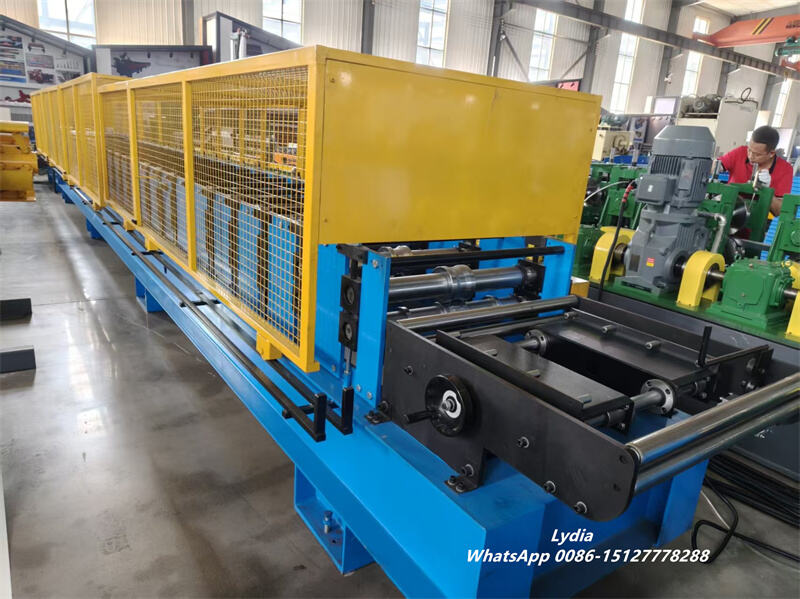
Manufacturing geometric architectural panels requires precise forming at every stage. Even small variations in rib height, fold angles, or panel width can affect the finished appearance and installation quality. For this reason, Zhongtuo develops customized wall panel roll forming machines based on the actual cross-sectional drawings provided by customers.
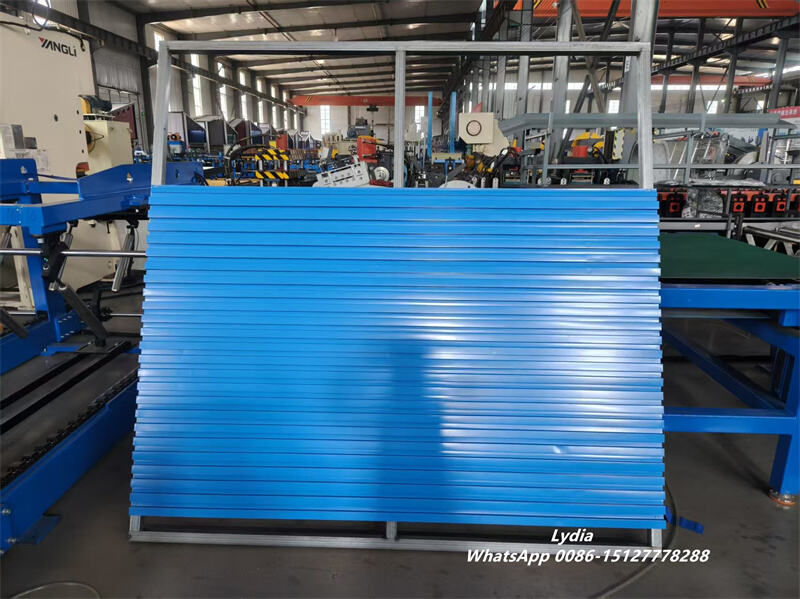
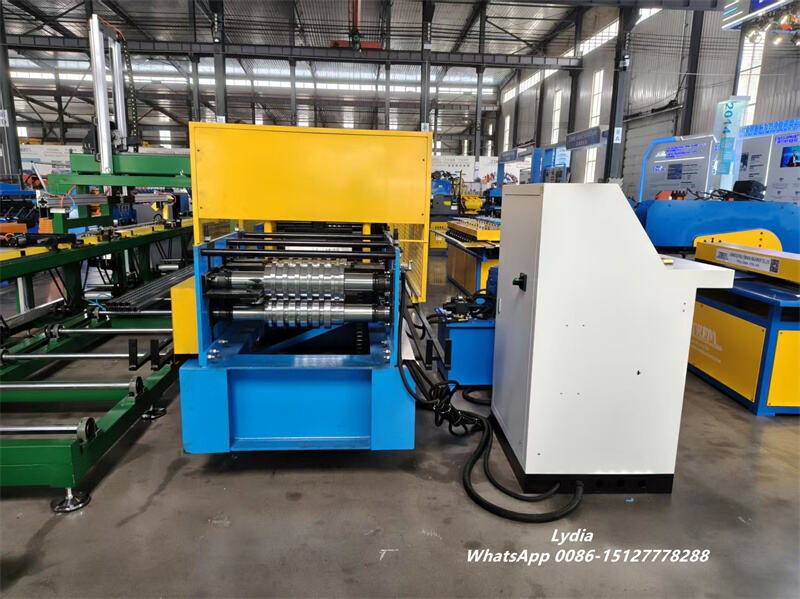
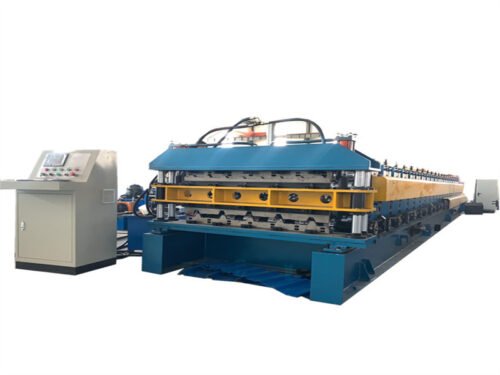
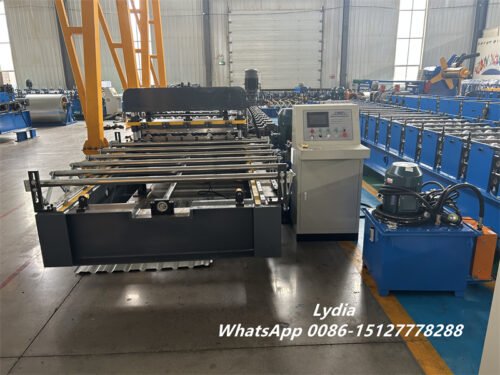
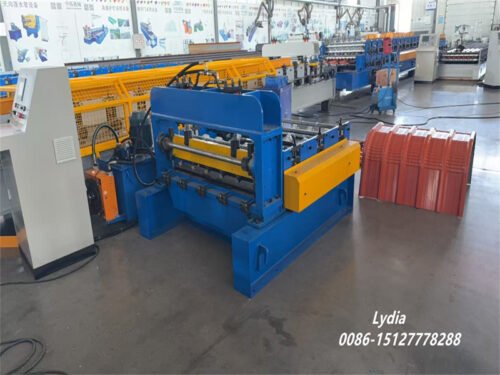
A typical metal wall panel roll forming production line consists of a decoiler, feeding and guiding system, roll forming section, cutting system, and PLC control cabinet. First, the decoiler supplies the metal coil to the production line. Next, the feeding system guides the strip into the forming rollers. Each station gradually changes the material shape until it reaches the required geometric profile. Finally, the cutting system produces panels at the preset length.
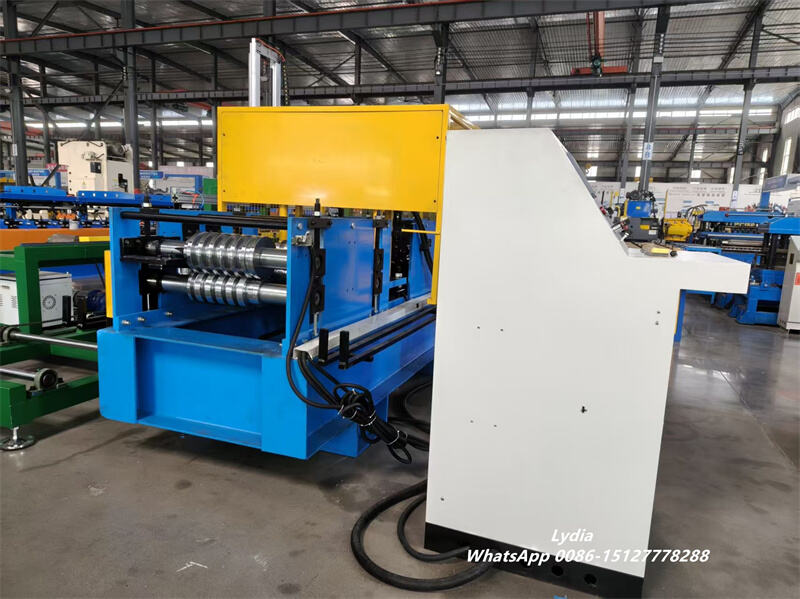
During machine design, our engineers evaluate several important factors, including:
- Panel coverage width and overall dimensions.
- Rib height, spacing, fold angles, and profile geometry.
- Material type, thickness, and mechanical properties.
- Required production speed and cutting accuracy.
- Panel length and automatic cutting requirements.
- Single-profile or multi-profile production requirements.
- Factory layout and electrical configuration.
For manufacturers who need to produce several panel designs, we can evaluate dedicated roller tooling or interchangeable forming systems. The final solution depends on the similarities between the profiles and the required production flexibility.
In addition, we can customize the machine structure, forming stations, drive system, hydraulic cutting equipment, and control configuration. This approach allows manufacturers to obtain a production line that matches their actual manufacturing conditions instead of relying on a standard machine that may not suit their profile.
4. Applications and Advantages of Geometric Metal Wall Cladding
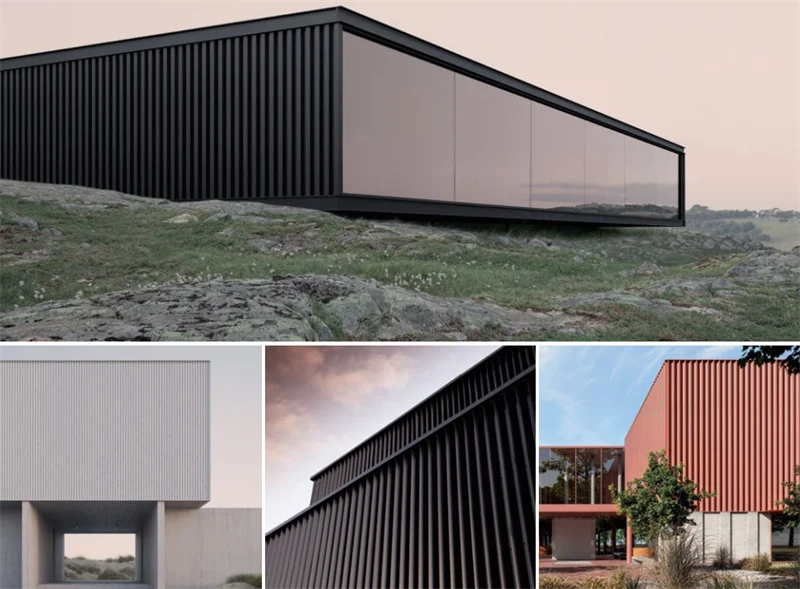
Geometric metal wall panels give architects more freedom when designing building exteriors. Their pronounced ribs create natural light-and-shadow effects, while repeated lines bring visual consistency to large façade surfaces. Therefore, these panels are suitable for projects that require both decorative value and practical metal cladding performance.
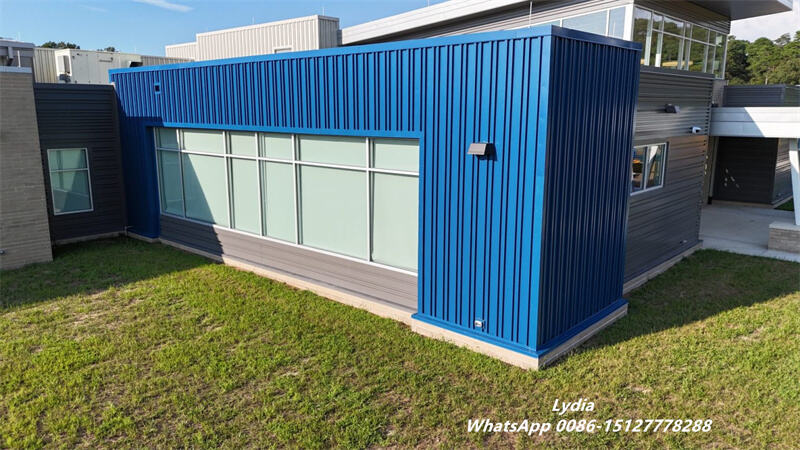
ZTRFM Box Wall Panels are suitable for commercial buildings, offices, schools, hospitals, retail properties, warehouses, and modern residential projects. Their deep rectangular ribs create a strong architectural appearance. Meanwhile, the geometric surface helps guide water downward when the complete wall assembly includes suitable flashing and drainage details.
ZTRFM Batten Wall Panels work well on exterior façades and interior decorative surfaces. Instead of installing multiple separate battens, manufacturers can use an integrated profile to create a similar repeated-line appearance. Moreover, the bold linear pattern complements contemporary architectural styles.
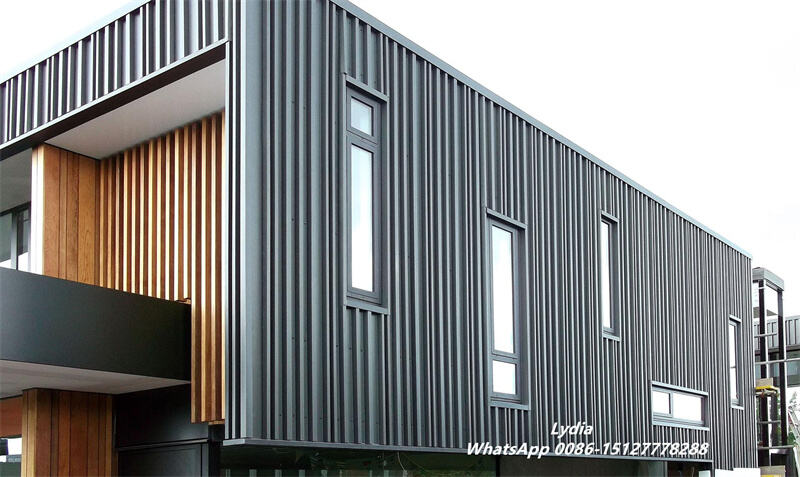
ZTRFM Pleat Wall Panels provide another option for projects that require sharper geometric details. Their triangular folds create distinctive shadows and add depth to building surfaces. Designers can also incorporate customized flashing and corner details to achieve a more consistent finish around openings and architectural transitions.
These geometric profiles offer several advantages for modern construction:
- Distinctive architectural appearance with strong geometric lines.
- Consistent panel dimensions through precision roll forming.
- Flexible profile designs for different building projects.
- Multiple metal materials and surface finish options.
- Customized panel lengths and production configurations.
- Efficient continuous manufacturing compared with manual profile fabrication.
- Suitable for a wide range of commercial and residential applications.
However, the complete cladding system must still meet the project’s structural, waterproofing, thermal movement, and installation requirements. Therefore, manufacturers should confirm the panel design and installation details before finalizing the production tooling.
5. Why Choose Zhongtuo for ZTRFM Wall Panel Production?
Choosing the right equipment manufacturer is essential when developing a new architectural metal cladding product. A reliable ZTRFM Wall Panel Roll Forming Machine must reproduce the required profile accurately while maintaining stable operation during continuous production.
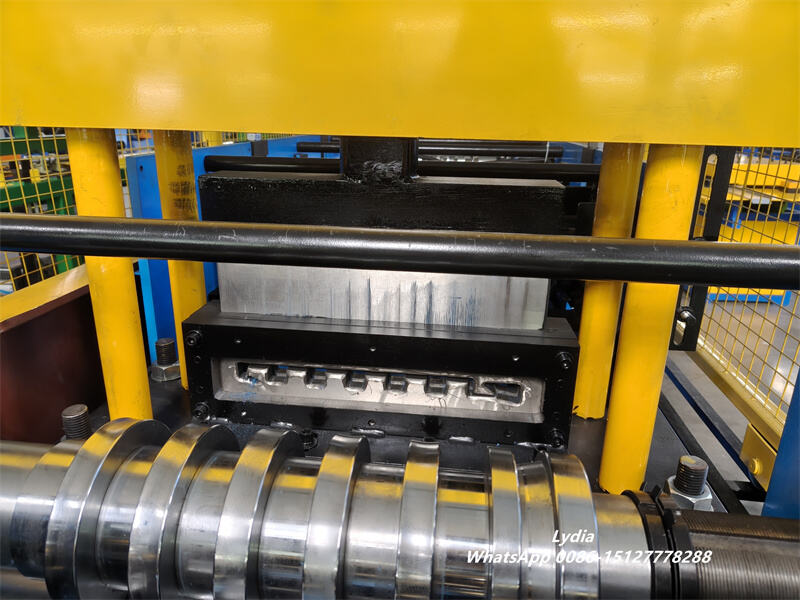
Zhongtuo specializes in customized cold roll forming machinery for construction and architectural metal products. We focus on the complete production process, from coil feeding and gradual profile forming to automatic cutting and electrical control. More importantly, our engineers design the forming rollers around the customer’s actual panel drawings and technical requirements.
Whether you plan to manufacture Box, Batten, Pleat, or other geometric metal wall panels, we can develop a suitable forming solution for your project. In addition, our team can discuss different tooling arrangements, machine layouts, and production configurations according to your required output and factory conditions.
We understand that every manufacturer may have different production goals. Some customers focus on one standard wall panel, while others need flexible equipment for multiple architectural profiles. Therefore, we provide customized machine designs to help customers develop their own metal cladding products and expand their production capabilities.
Send Zhongtuo your panel profile drawing, material thickness, coil width, and required production speed. Our engineering team will evaluate your requirements and recommend a suitable ZTRFM architectural wall panel roll forming machine.
FAQ – ZTRFM Wall Panel Roll Forming Machine
1. What is a ZTRFM Wall Panel Roll Forming Machine?
A ZTRFM Wall Panel Roll Forming Machine is a continuous metal forming system designed to manufacture geometric architectural cladding panels. It gradually forms metal coils into different cross-sectional shapes, including Box, Batten, and Pleat profiles, before cutting the panels to the required length.
2. What is the difference between Box, Batten, and Pleat wall panels?
Box panels feature deep rectangular ribs with a reference height of 90 mm. Batten panels use a more compact 45 mm rib structure to create a repeated batten appearance. Pleat panels feature triangular folds with an approximately 90 mm profile height, creating sharper geometric lines and shadows.
3. Can Zhongtuo customize the machine for different wall panel profiles?
Yes. Zhongtuo can customize the forming rollers, machine structure, and production configuration according to customer drawings. We can also evaluate dedicated tooling or interchangeable roller systems when customers need to manufacture multiple profiles.
4. What materials can the ZTRFM wall panel machine process?
The suitable materials depend on the panel design and machine configuration. Common options include pre-painted galvanized steel, galvanized steel, aluminum, and stainless steel. Our engineers will evaluate the material thickness, strength, and coil specifications before designing the machine.
5. Can the machine produce panels with customized lengths?
Yes. The production line can be equipped with a length-measuring and automatic cutting system. Customers can specify the required minimum and maximum panel lengths, and our engineers will configure the cutting system accordingly.


Reviews
There are no reviews yet.