
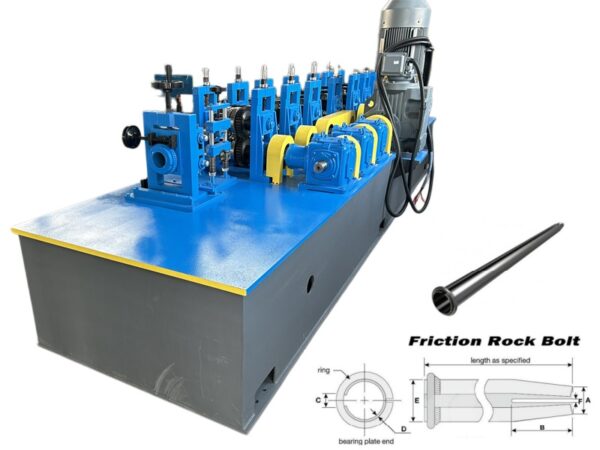
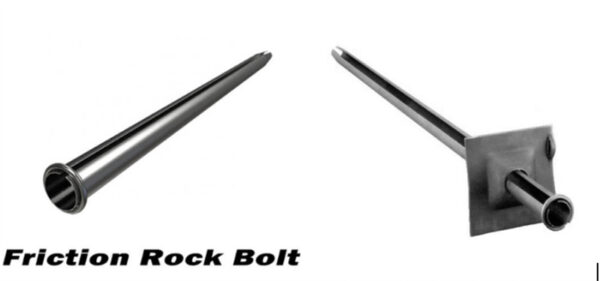
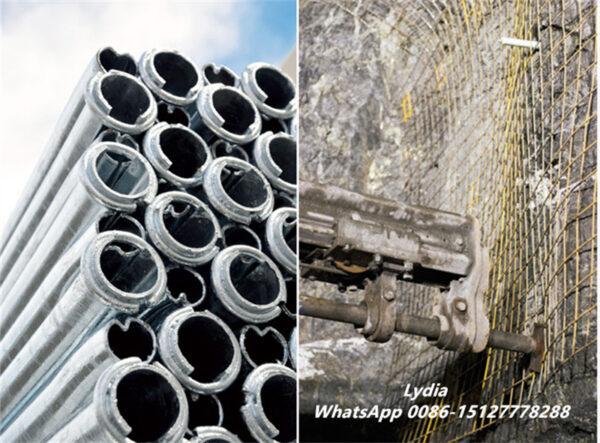
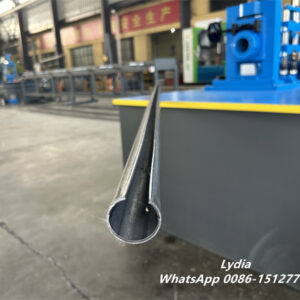
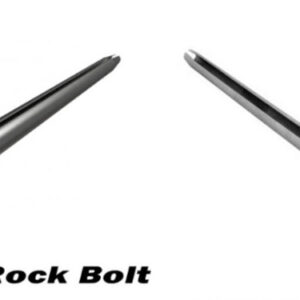
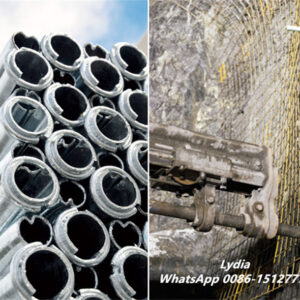

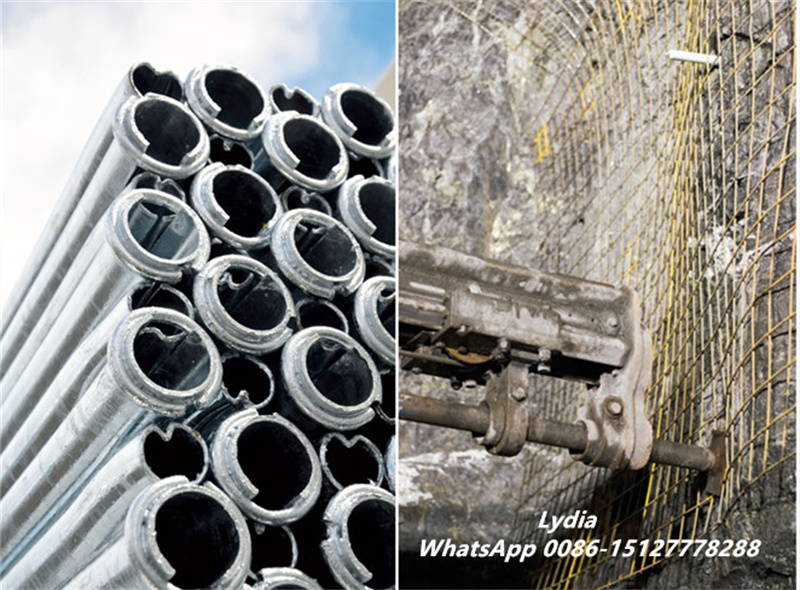
Split Set friction rock stabilizers—commonly known as friction bolts—are engineered ground support components widely applied in mining, tunneling, slope protection, and underground construction. Unlike traditional anchoring systems, these bolts generate immediate holding force through frictional resistance along the entire contact surface with the surrounding rock.
Because of this full-length contact mechanism, friction bolts begin working instantly after installation. As ground conditions shift, the tube adapts to deformation, maintaining continuous pressure against the rock. As a result, the grip not only remains stable but often increases over time, delivering dependable long-term support without the need for re-tightening.
Applications of Friction Rock Bolts
Thanks to their high efficiency and strong adaptability, friction bolts are widely used across various engineering sectors. In mining operations, they play a critical role in tunnel and roadway support, preventing collapses and ensuring worker safety. Similarly, in civil engineering, they are applied in tunnel construction, slope stabilization, and foundation pit reinforcement.
Furthermore, these bolts are essential in hydropower and underground infrastructure projects, where long-term stability and structural integrity are crucial. Their ability to perform reliably under dynamic conditions makes them a preferred solution in modern geotechnical engineering.
How Friction Rock Bolts Work
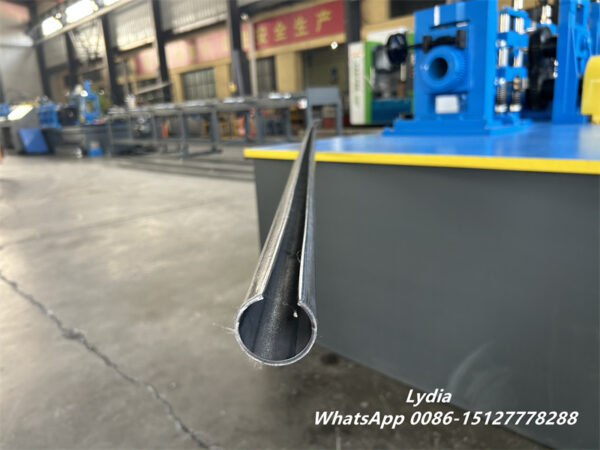
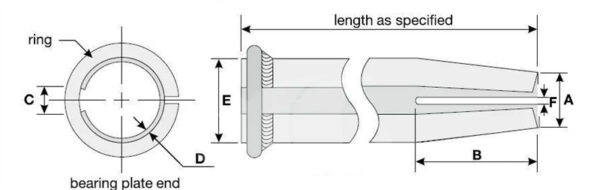
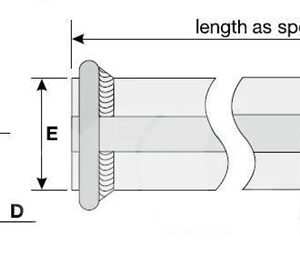
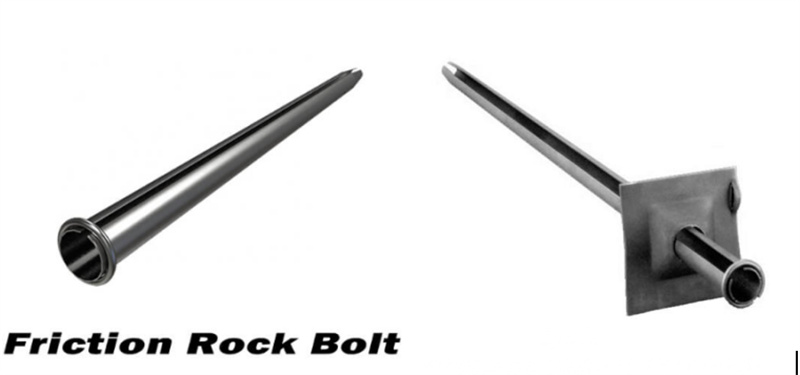
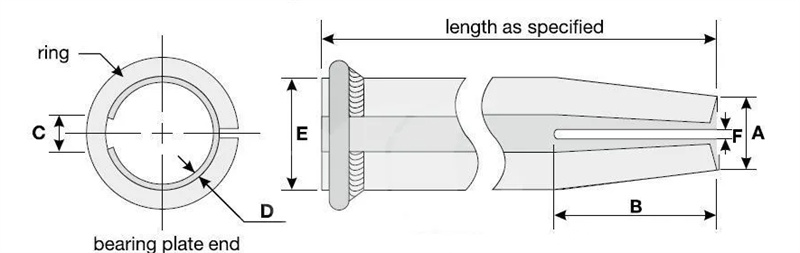
The working principle of Split Set rock bolts is straightforward yet highly effective. Each unit consists of a slotted high-strength steel tube and a domed bearing plate. During installation, operators drive the slightly oversized tube into a pre-drilled hole with a smaller diameter.
As the tube compresses, the longitudinal slot narrows, generating radial pressure against the rock wall along the full length of the bolt. This frictional interaction creates immediate anchorage. Furthermore, when the surrounding rock shifts or settles, the bolt continues to exert outward pressure, ensuring continuous stabilization.
Key Advantages of Split Set Rock Bolts
Friction rock stabilizers stand out due to their simplicity, efficiency, and performance. First of all, their two-part structure significantly reduces installation complexity. Additionally, the installation process typically takes less than one minute, which greatly improves operational efficiency in demanding environments.
Moreover, these bolts require no grouting, resin, or additional anchoring agents, making them cost-effective and easy to deploy. Their adaptability to dynamic ground conditions also makes them particularly suitable for environments prone to movement or vibration, such as underground mines or seismic zones.
Friction Bolts Production Line Overview
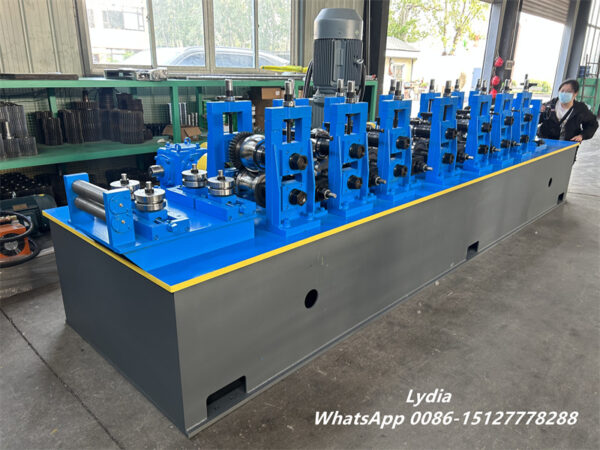
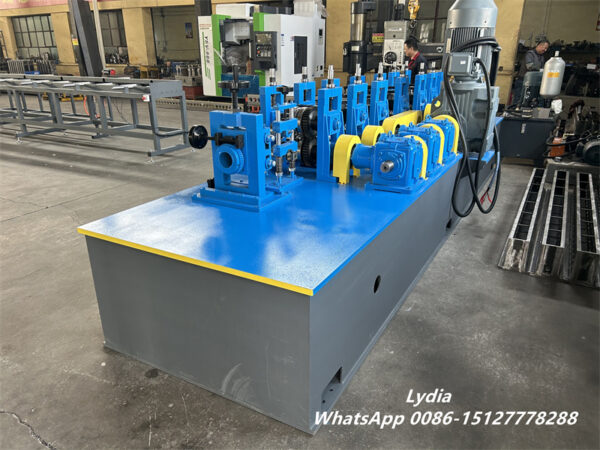
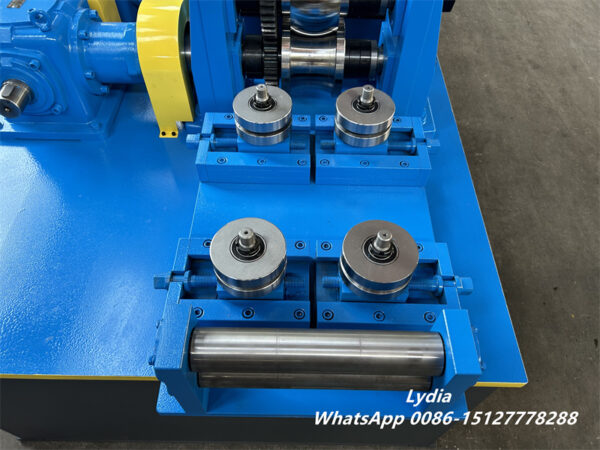
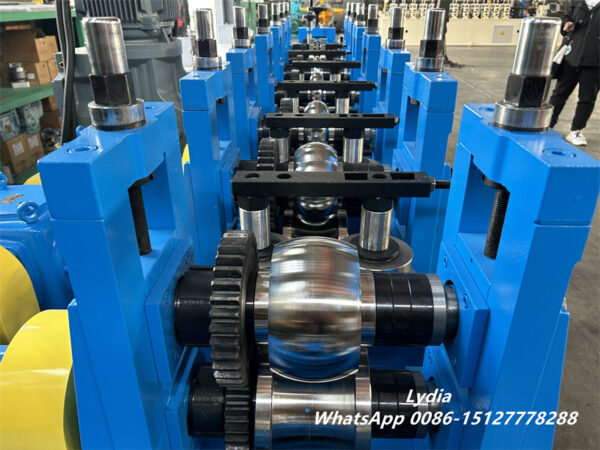
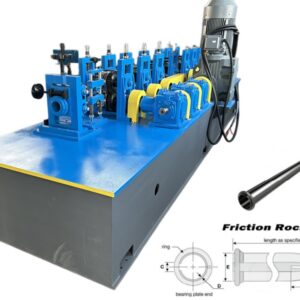
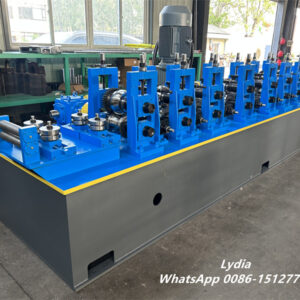
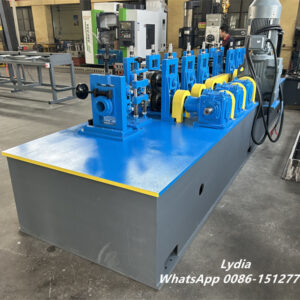
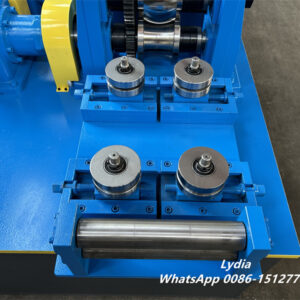
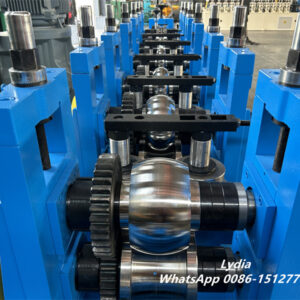
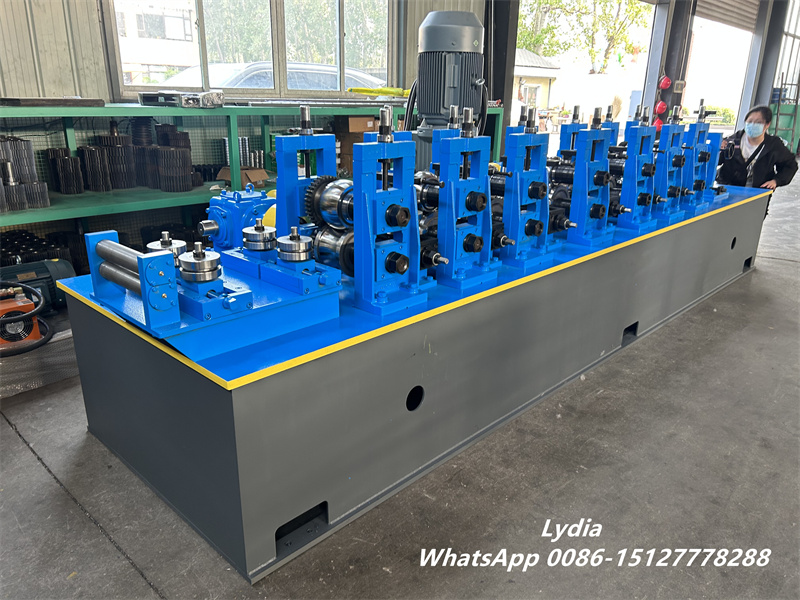
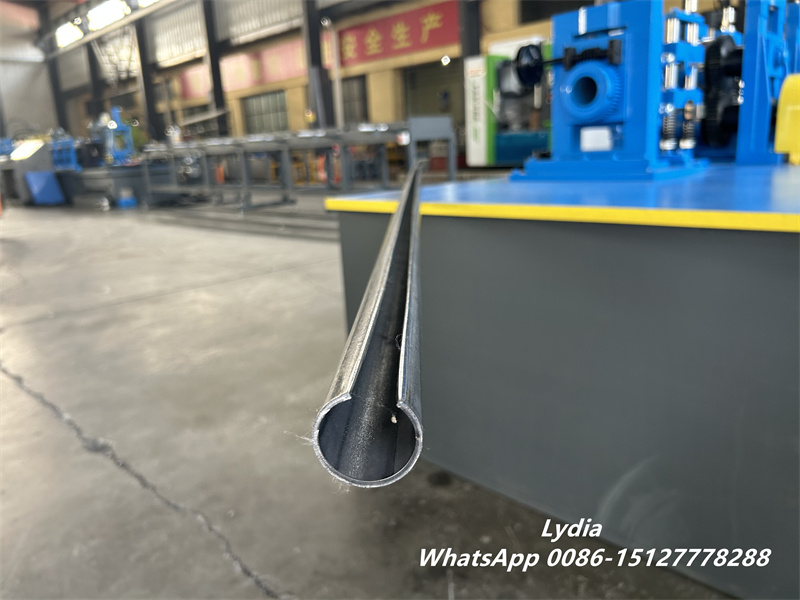
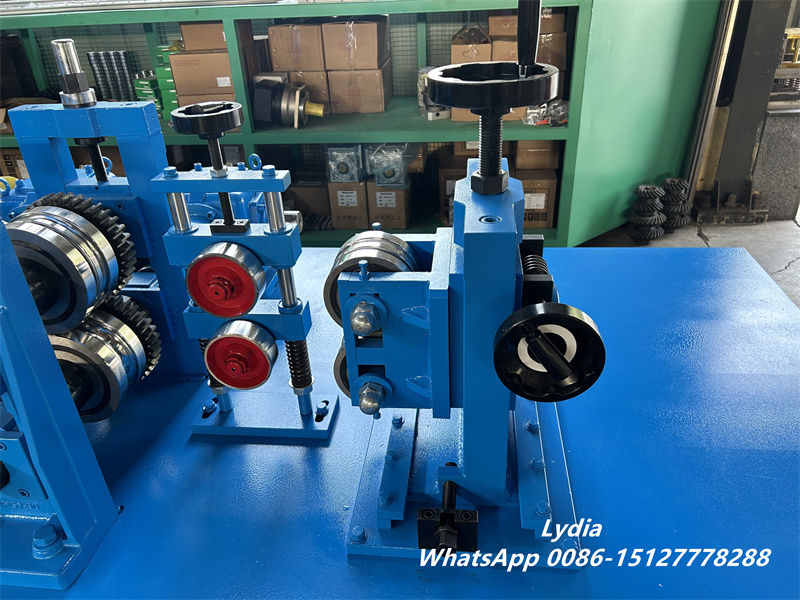
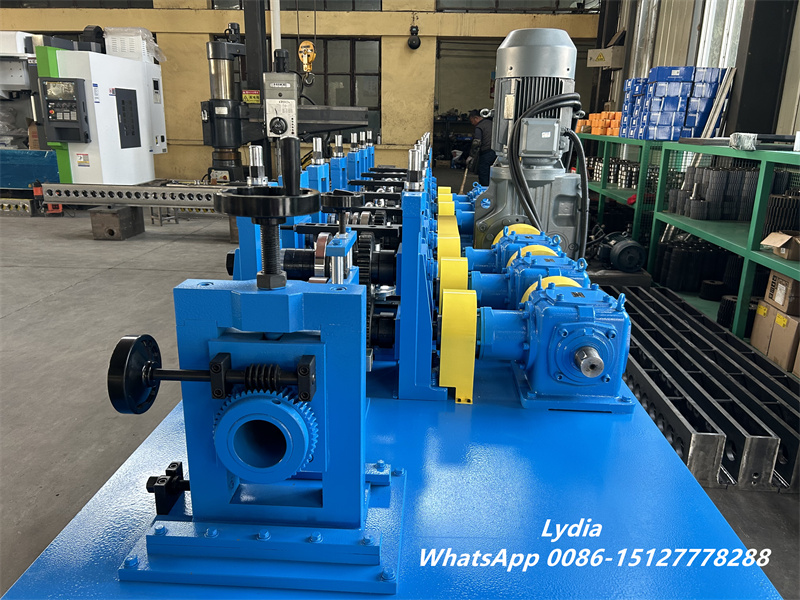
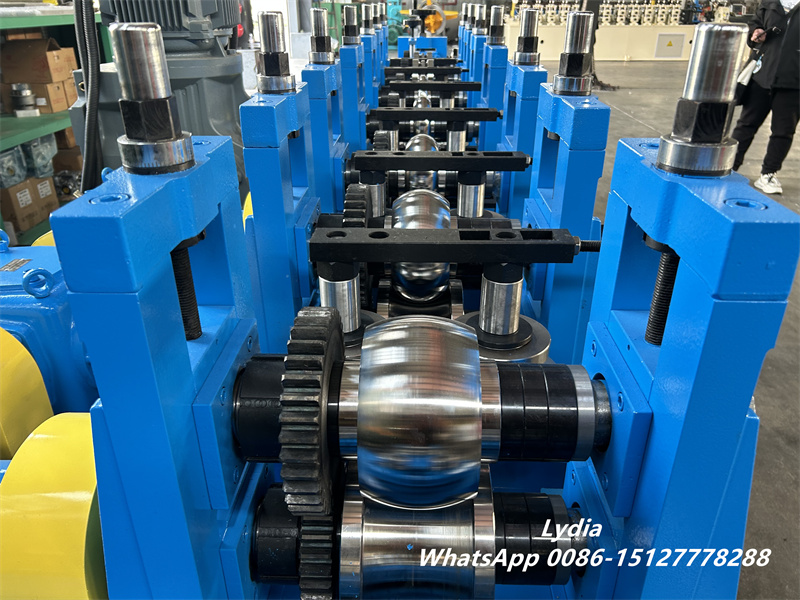
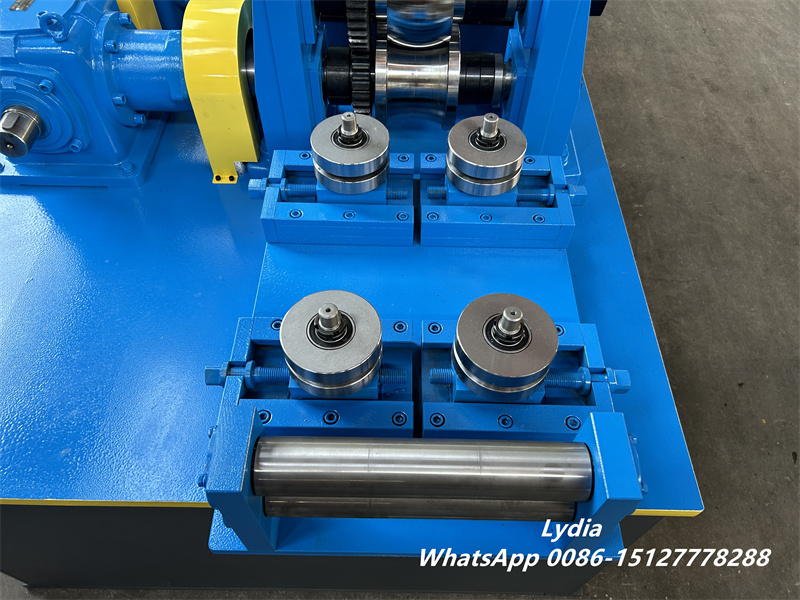
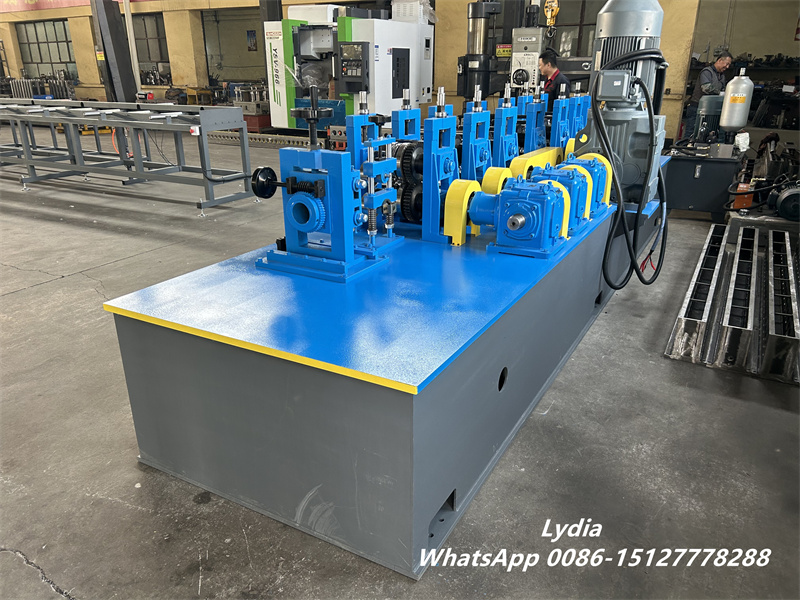
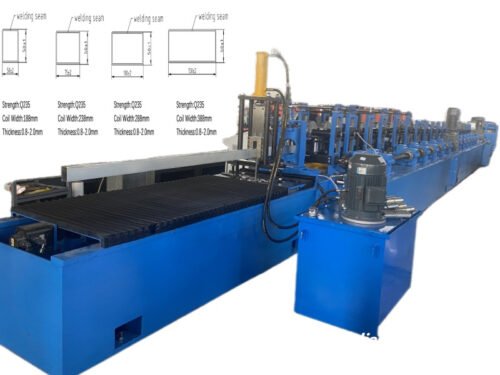
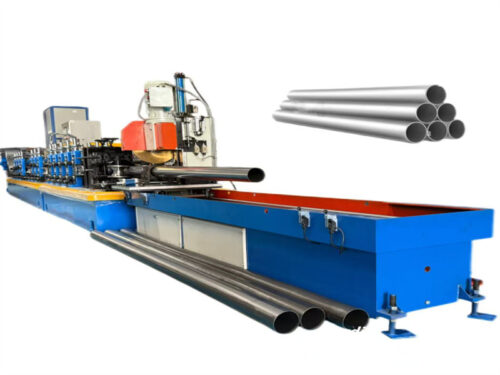
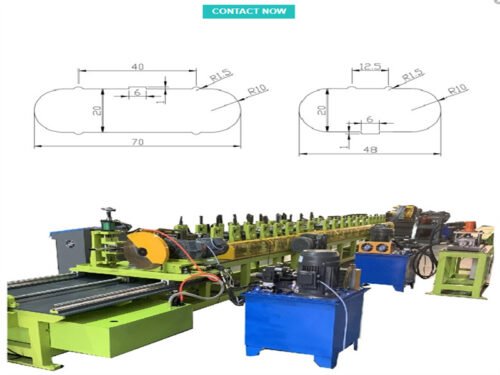
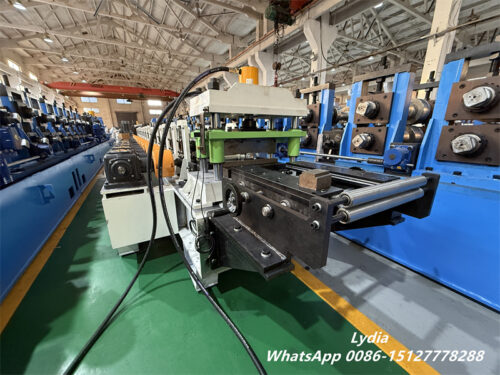
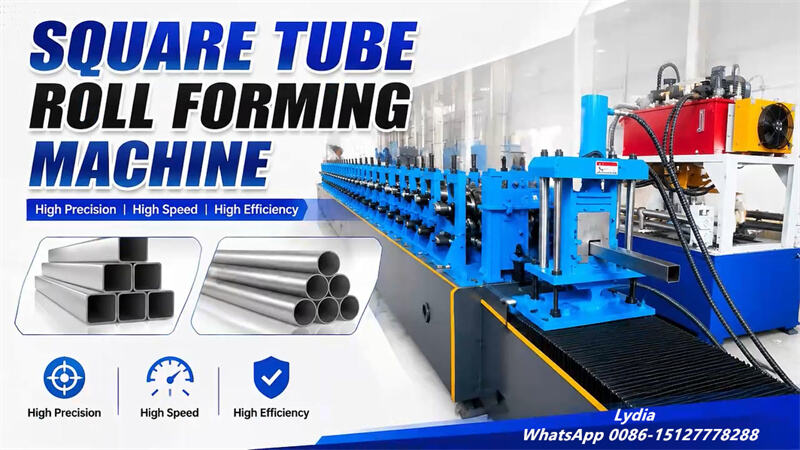
To ensure consistent quality and high output, friction bolts are manufactured using a dedicated roll forming production line. This system transforms flat steel strips into slotted tubular anchors through a continuous forming process.
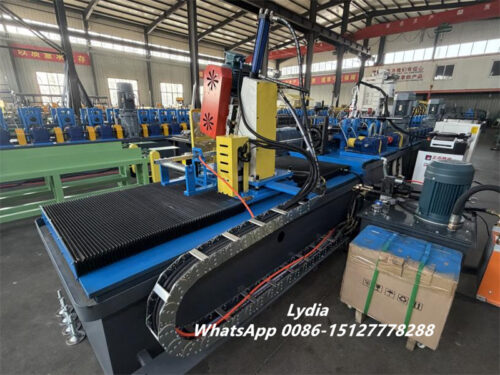
The production begins with steel coils being uncoiled and leveled. Then, the material passes through a series of precision rollers that gradually shape it into a cylindrical tube with a longitudinal slit. Afterward, the tube undergoes sizing and straightening to meet strict dimensional requirements. Finally, the system cuts the tube to the desired length using a flying saw or hydraulic cutting unit.
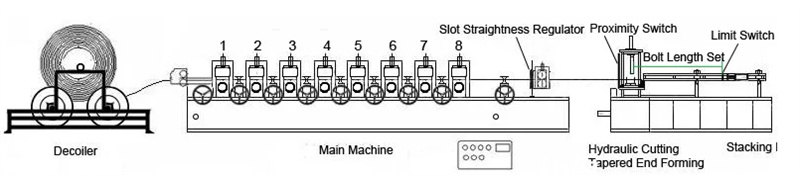
In addition, advanced production lines may include high-frequency welding systems, automated stacking, and PLC-based control systems to ensure accuracy and efficiency throughout the process.
Equipment Parameters
| Project | Parameter |
|---|---|
| Pipe Diameter | Φ30–50 mm |
| Pipe Length | 800–6000 mm (adjustable) |
| Thickness | 2–4.5 mm |
| Rolling Speed | 0–15 m/min |
| Main Motor Power | 22 KW |
| Hydraulic Cutting Power | 7.5 KW |
| Machine Dimensions | 12000 × 1280 × 1900 mm |
| Machine Weight | 5500 Kg |
| Speed Control | Frequency Converter |


Reviews
There are no reviews yet.