
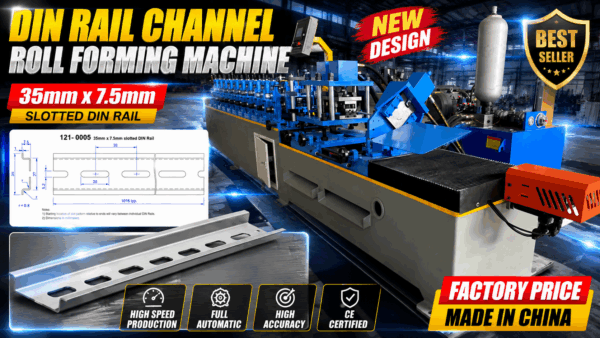
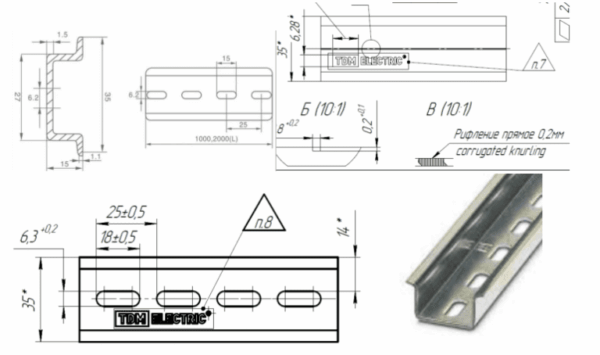
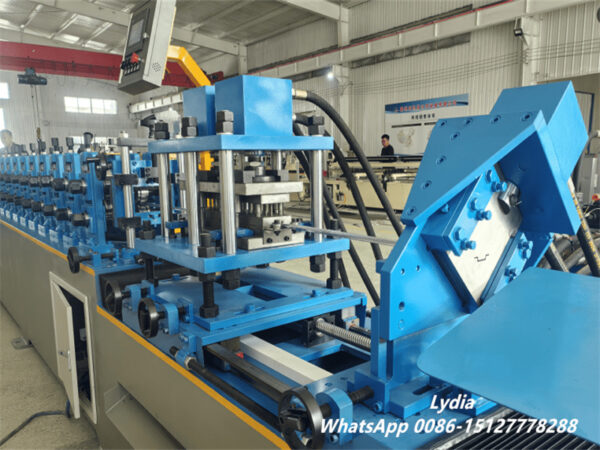
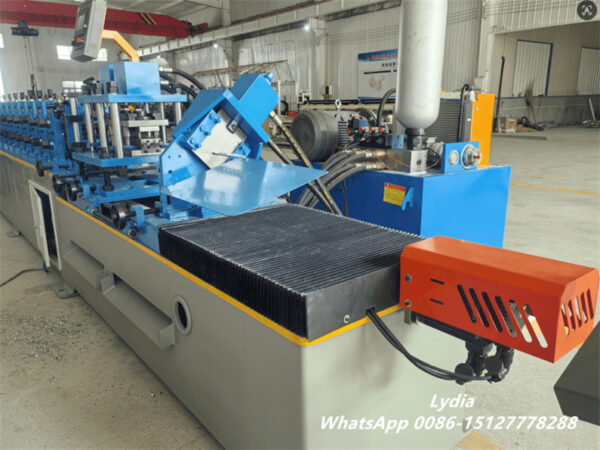
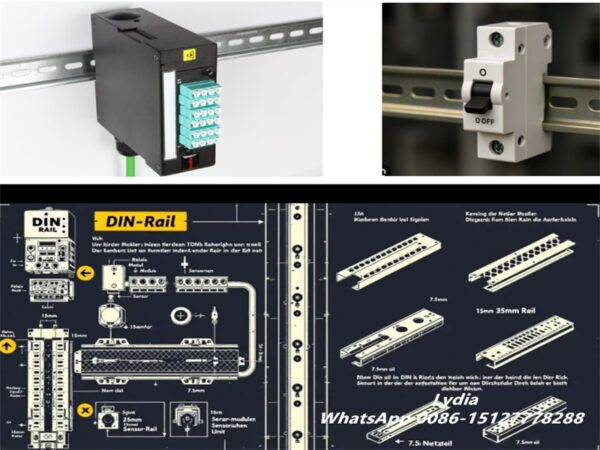
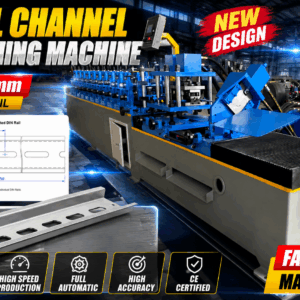
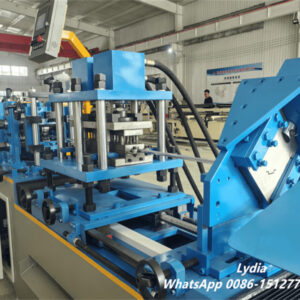
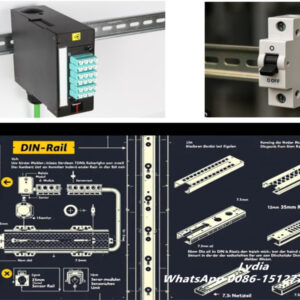

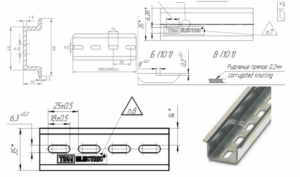
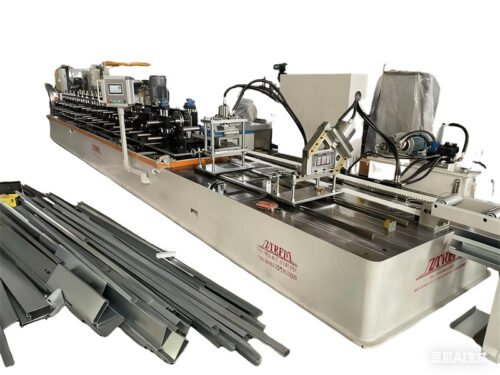
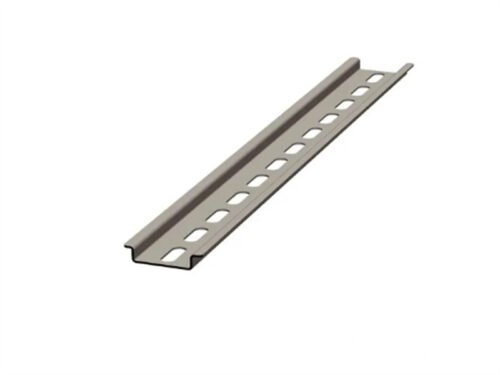
The DIN rail roll forming machine is an automated production line designed for the continuous manufacturing of standardized DIN rails used in electrical and industrial control systems. These rails provide a universal mounting platform for components such as circuit breakers, relays, terminal blocks, and control modules inside electrical cabinets.
Because DIN rails follow international standards, manufacturers must ensure consistent dimensions and precise hole positions. This roll forming system solves that challenge by integrating feeding, punching, forming, and cutting into a fully automated process. As a result, manufacturers can produce large volumes of DIN rails with stable quality, high efficiency, and minimal labor.
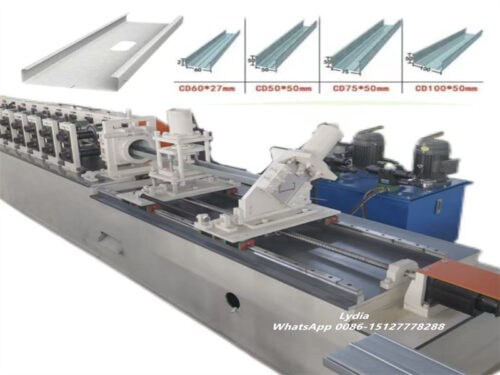
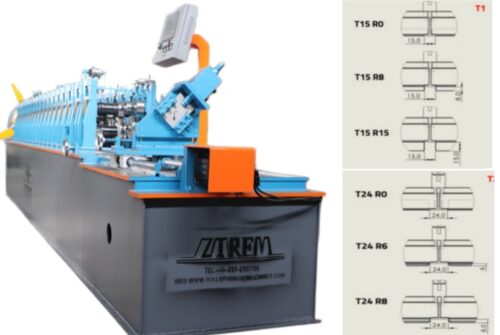
Furthermore, the machine supports different rail profiles, including Top Hat DIN rails, C-type rails, and G-type rails, allowing producers to meet diverse market demands.
Design Concept and Key Features
When designing a DIN rail roll forming machine, engineers focus on improving productivity while maintaining accuracy. Therefore, the system integrates several intelligent modules that work together to ensure stable production.
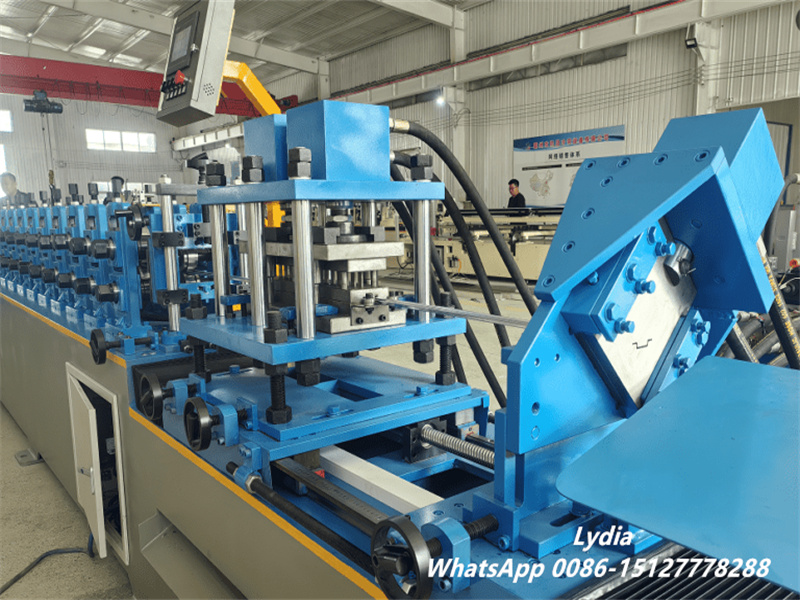
First, the machine can be equipped with either a manual decoiler or a hydraulic decoiler, depending on production capacity requirements. The decoiler feeds the metal coil smoothly into the leveling and forming sections.
Next, the roll forming unit gradually shapes the strip steel through multiple forming stations. Customers can select either standard production speed or high-speed configuration according to their output targets.
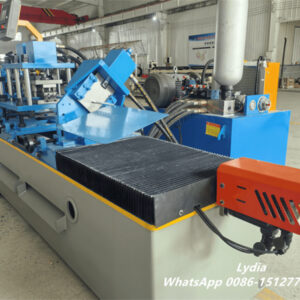
In addition, punching can be completed by a CNC punching system or a hydraulic punching station. In many production lines, a servo tracking, punching and cutting system is adopted. This design saves space, reduces equipment cost, and improves efficiency because punching and cutting occur while the material continues moving.
To further increase productivity, the punching system can include multiple punching stations. For example:
- Two punching stations can punch 12 holes per cycle
- The punching frequency can reach up to 30 strokes per minute
- If higher capacity is required, the system can expand to three or four punching stations
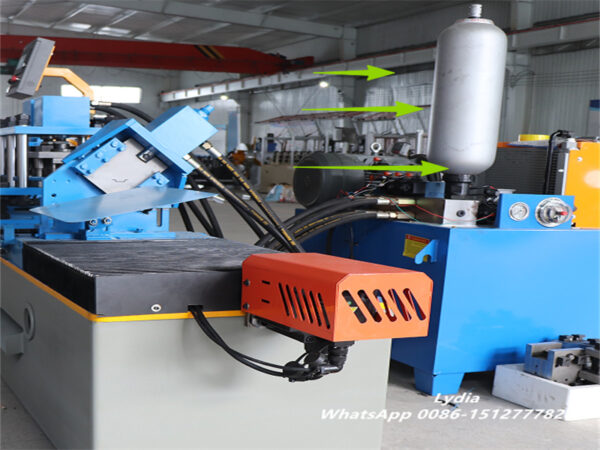
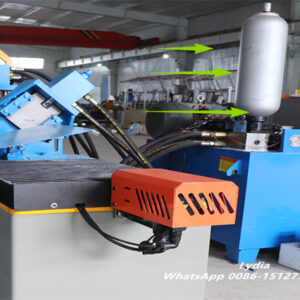
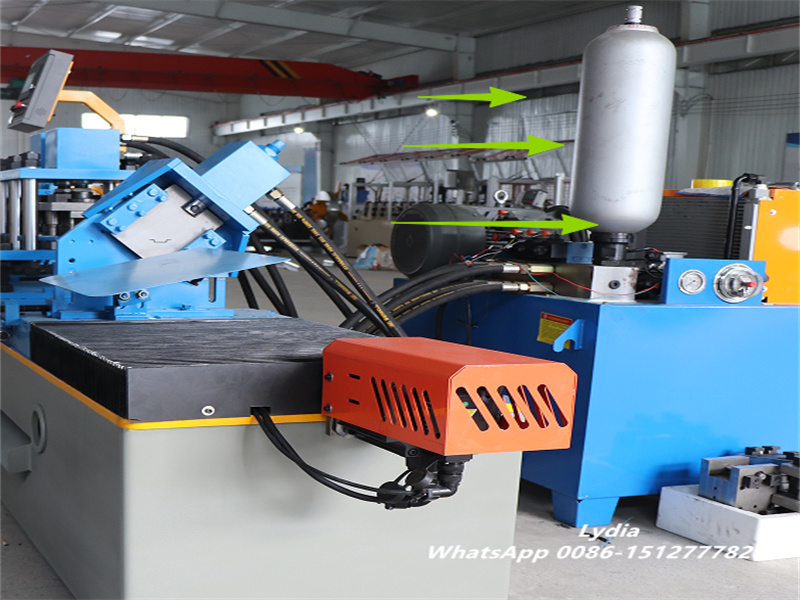
Meanwhile, an energy storage tank ensures stable pressure during continuous punching operations, preventing interruptions during high-speed production.
Typical Applications of DIN Rails
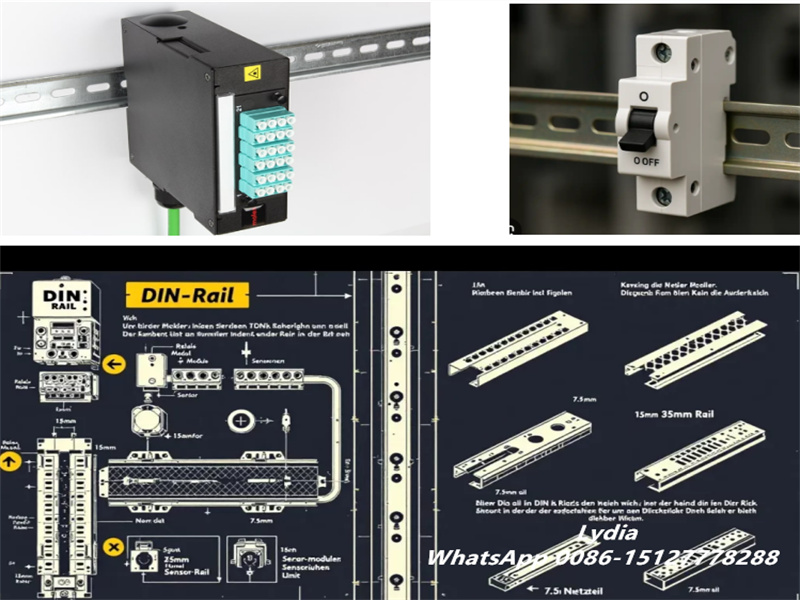
DIN rails are widely used across various industries because they provide a standardized and reliable mounting solution for electrical components.
In electrical cabinets and distribution boxes, DIN rails organize circuit breakers, relays, and control devices efficiently. This arrangement simplifies installation and maintenance.
Additionally, the transportation industry uses DIN rails in signaling systems, railway control panels, and traffic management equipment. Their robust structure ensures stable equipment mounting even in demanding environments.
The energy sector also relies heavily on DIN rails. They are commonly installed in power distribution cabinets, solar inverter systems, wind turbine control panels, and substation automation systems. Thanks to their durability and compatibility, DIN rails remain an essential component of modern electrical infrastructure.
Supported DIN Rail Profiles and Materials
Different electrical systems require different DIN rail shapes and materials. Therefore, the roll forming machine supports multiple profile types and raw materials.
| Item | Specification |
|---|---|
| DIN Rail Types | Top Hat Rail / C Section Rail / G Section Rail |
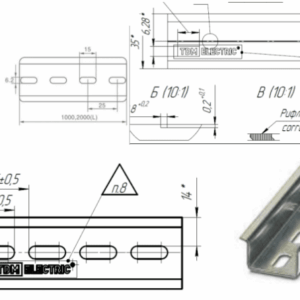
| Standard Size | 35mm × 7.5mm / 35mm × 15mm |
| Raw Materials | Cold Rolled Steel, Galvanized Steel, Stainless Steel, Aluminum |
| Material Thickness | 0.4 – 1.6 mm |
| Yield Strength | 250 – 550 MPa |
| Forming Stations | About 10 stations |
| Forming Speed | 10 – 20 m/min (customizable) |
| Drive System | Chain drive or gearbox drive |
| Cutting Method | Hydraulic post-cutting or servo tracking cutting |
| Power Supply | 380V / 50Hz / 3 Phase |
Manufacturers can also customize non-standard DIN rail dimensions based on customer drawings or special application requirements.
Complete Production Line Configuration
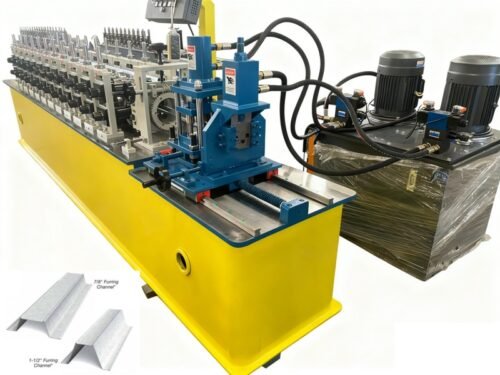
A typical DIN rail roll forming production line includes several integrated components that ensure smooth and continuous manufacturing.
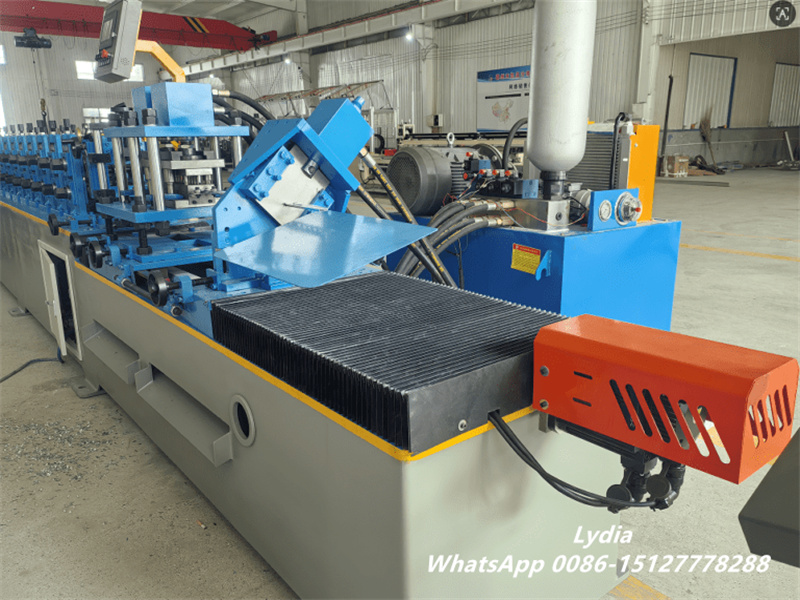
The process normally begins with a decoiler, which unwinds the steel coil. After that, the strip passes through a leveling system to eliminate internal stress and ensure flatness.
Next, a servo feeder precisely controls the material feeding length before the strip enters the punching station. At this stage, mounting holes are punched according to the DIN rail design.
Once punching is complete, the material moves into the roll forming machine, where multiple roller stations gradually shape the steel into the required rail profile.
Finally, a hydraulic cutting system cuts the rail to the preset length, and the finished products are collected on the receiving rack or finished product table.
The full production flow typically includes:
Decoiler → Leveling → Servo Feeding → Guide Device → Hydraulic Punching → Roll Forming → Servo Cutting → Finished Product Rack
This integrated process ensures stable production and consistent rail quality.
Custom DIN Rail Manufacturing Machine
Different customers often require unique production capacities, rail profiles, or automation levels. Therefore, manufacturers usually provide customized machine solutions based on the customer’s drawings, tolerance requirements, and budget.
For example, the machine can be upgraded with:
- Hydraulic decoiler for heavy coils
- High-speed servo punching systems
- Gearbox-driven roll forming systems
- Cast iron machine structures for higher rigidity
- Fully automatic stacking systems
With the right configuration, the DIN rail roll forming machine can deliver high efficiency, long service life, and reliable production performance, making it an ideal investment for electrical component manufacturers.
Reviews
There are no reviews yet.