
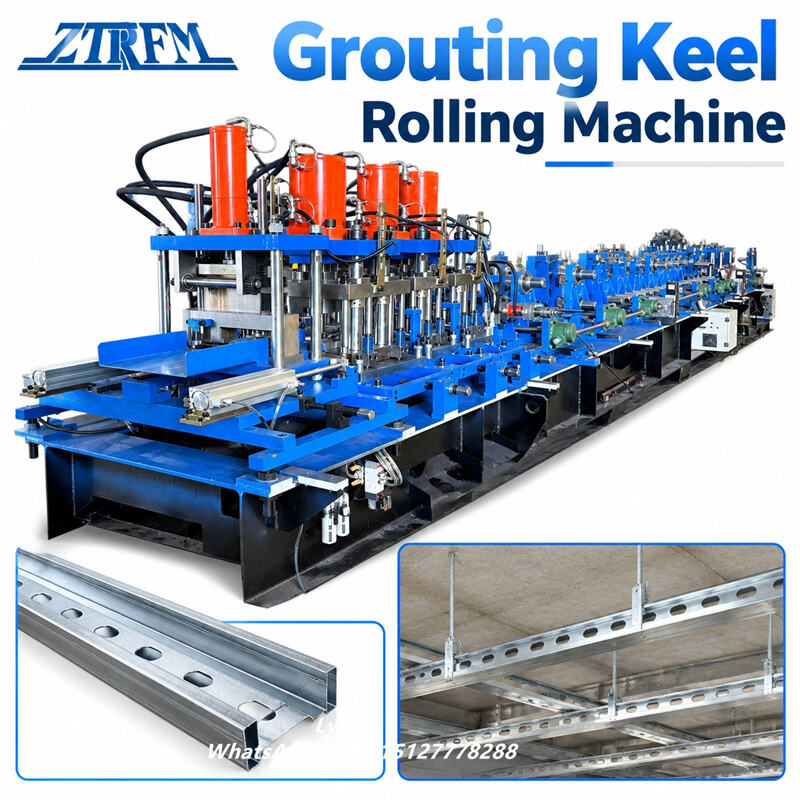
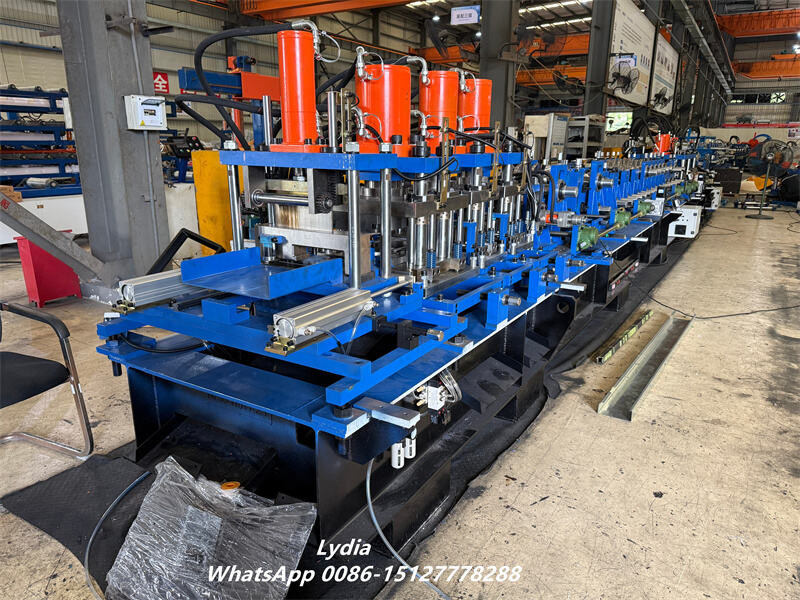

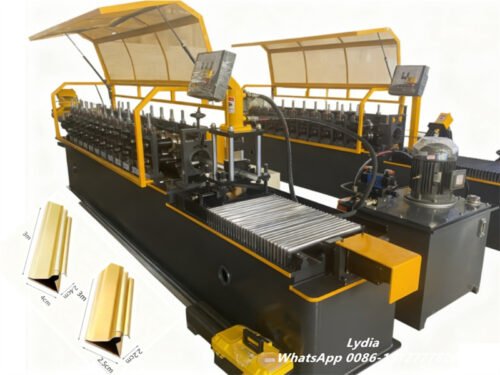
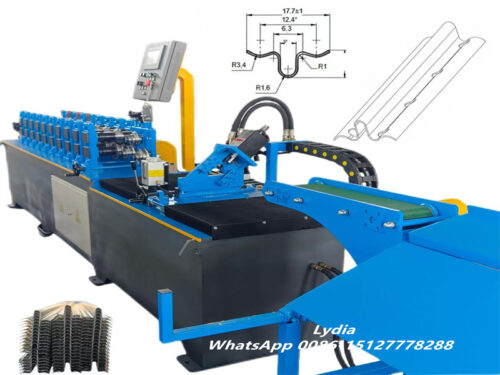
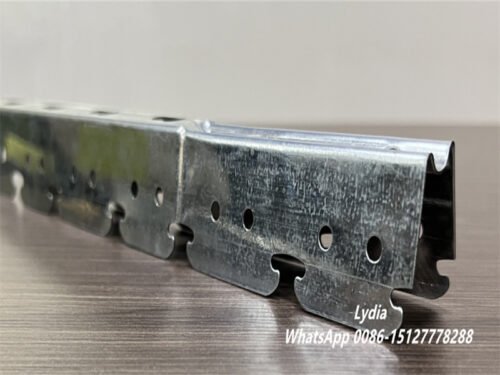
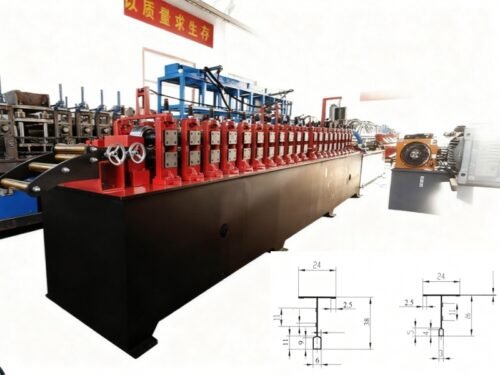
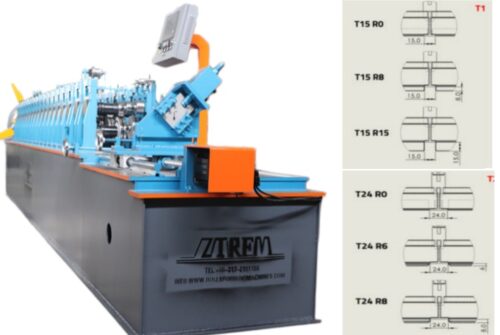
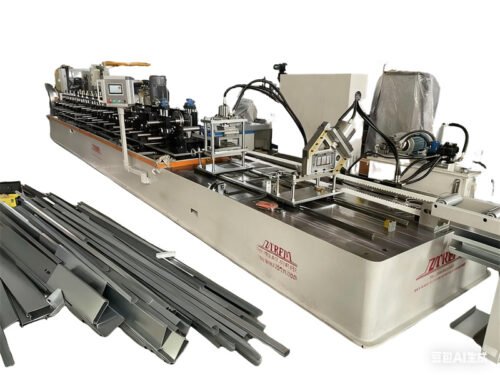
The Steel Stud Framing Grouting System Roll Forming Machine provides an efficient solution for manufacturing lightweight steel framing and grouting profiles used in modern partition wall and building systems. The machine continuously processes PPGI, GI, or aluminum coils and gradually forms them into precise steel profiles.
With a rigid welded frame, 50 mm solid shafts, chrome-plated forming rollers, gear transmission, automatic cutting, and PLC control, the production line supports stable continuous manufacturing. In addition, ZTRFM can customize the forming section according to the customer’s profile drawing, material thickness, punching requirements, and production speed.
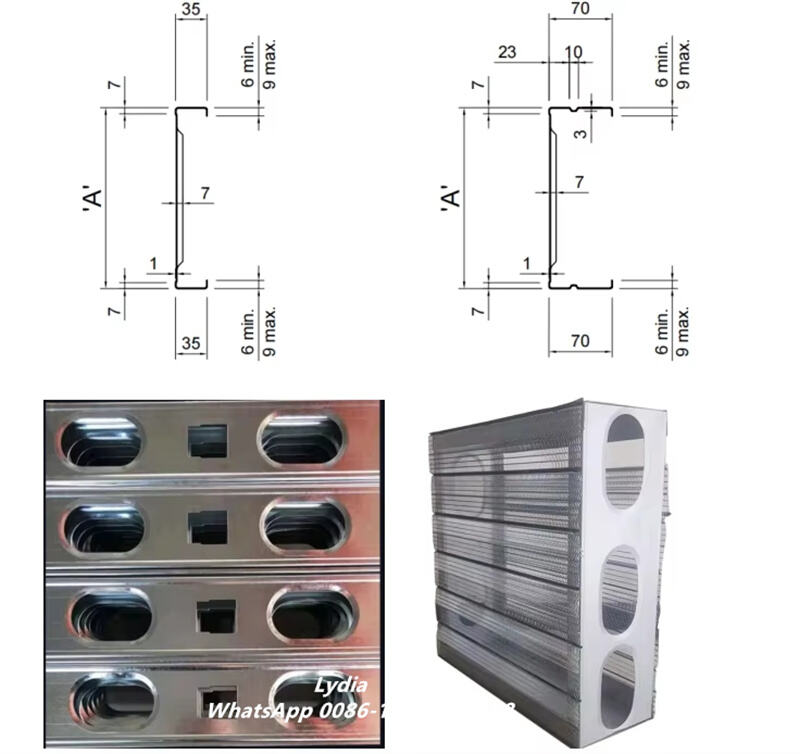
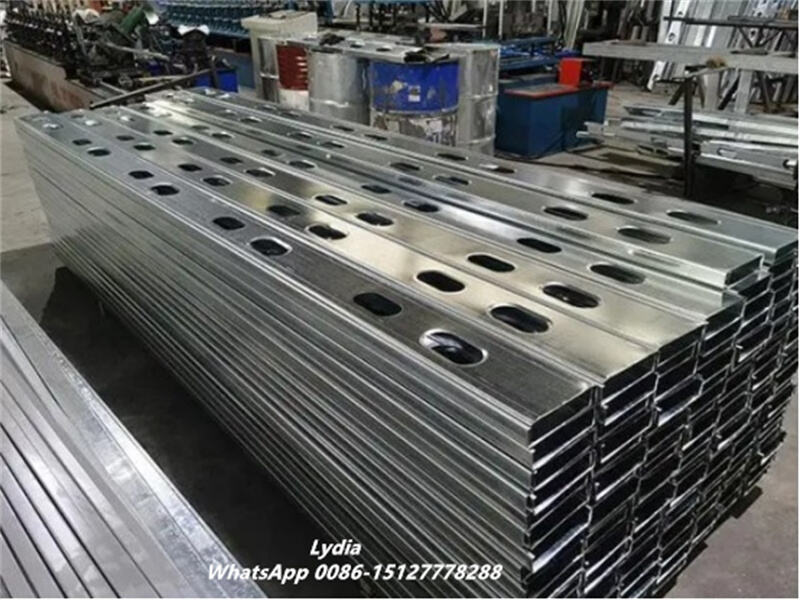
High-Speed Steel Stud and Track Production
The machine uses progressive cold roll forming technology to transform continuous metal strips into finished framing profiles. Each roller station performs a specific forming step, so the material gradually reaches the required cross-section without unnecessary deformation.
The standard configuration supports 0.5–1.2 mm PPGI, GI, and aluminum. Manufacturers can also customize the machine for other suitable thicknesses according to the profile design.
With a standard forming speed of approximately 40–45 m/min, the line can support continuous production for construction-material manufacturers. This makes it suitable as a stud and track making machine for factories producing lightweight steel framing components.
For more complex profiles, ZTRFM can increase the number of forming stations or modify the roller design. Therefore, the machine can adapt to different C-shaped, U-shaped, channel, and customized steel framing profiles.
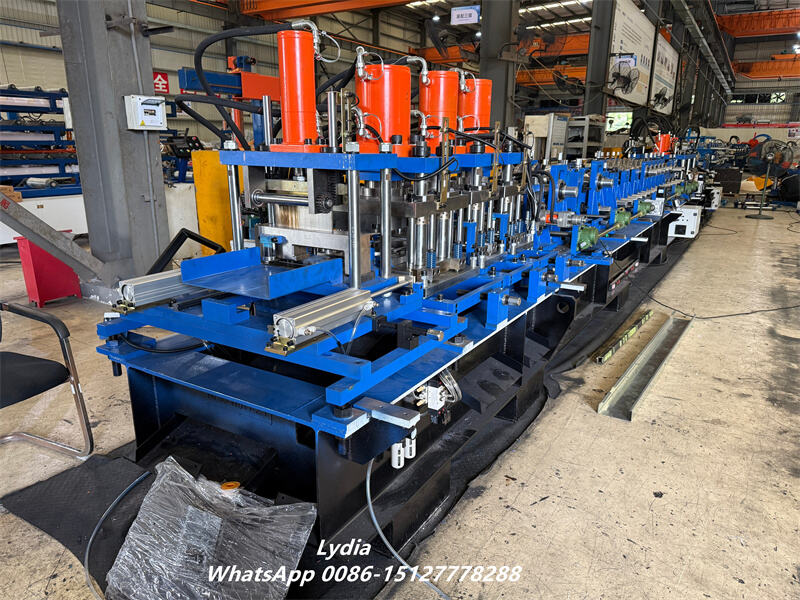
Strong Structure for Stable Roll Forming
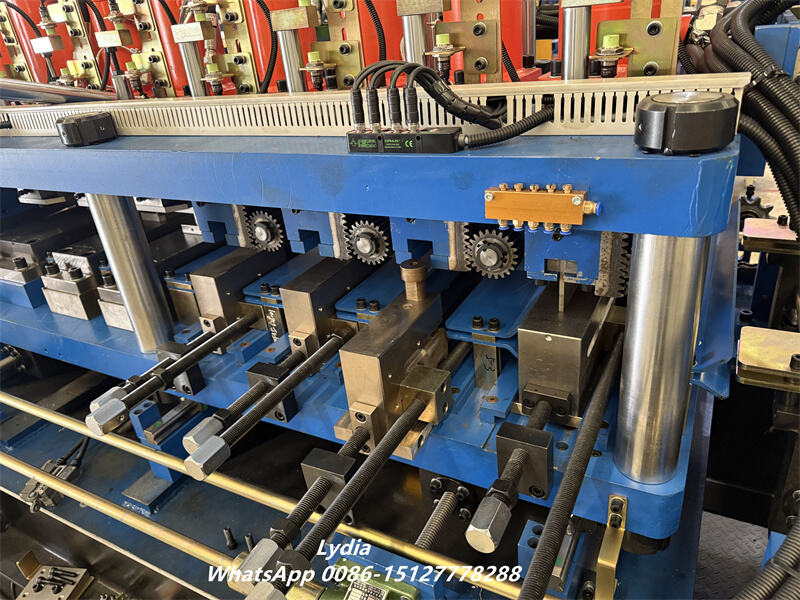
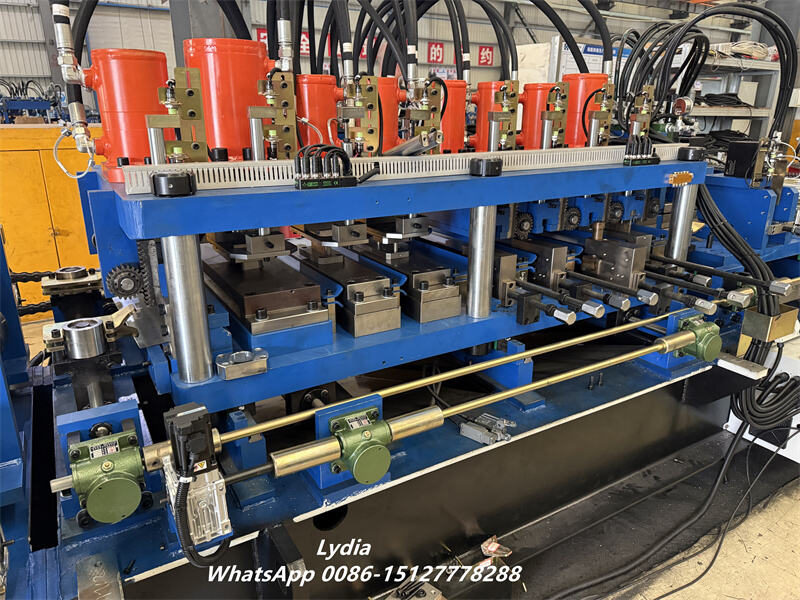
ZTRFM builds the machine body with a welded steel structure to provide sufficient rigidity during continuous operation. The forming section uses 50 mm solid shafts, while the rollers use 45# steel with hard chrome plating on the surface.
The chrome-plated rollers provide a durable forming surface and help maintain stable contact with the material. Meanwhile, the gear transmission system transfers power between the forming stations and supports synchronized operation.
The production line also uses an automatic CR12MoV cutter for finished-profile cutting. The cutter works with the PLC system, allowing operators to set the required profile length and production quantity.
| Item | Specification |
|---|---|
| Formed Material | PPGI, GI, Aluminum |
| Material Thickness | 0.5–1.2 mm |
| Decoiler | Hydraulic Automatic Decoiler + Manual Decoiler |
| Roller Stations | 6 rows, customizable |
| Shaft Diameter | 50 mm solid shaft |
| Roller Material | 45# steel, hard chrome plated |
| Machine Frame | Welded steel structure |
| Transmission | Gear transmission |
| Cutter | Automatic CR12MoV cutter |
| Main Motor | 7.5 kW × 2 |
| Hydraulic Power | 5.5 kW |
| Forming Speed | 40–45 m/min, customizable |
| Control System | PLC-controlled electrical system |
| Standard Voltage | 380V, 50Hz, 3 Phase |
| Machine Dimension | Approx. 5500 × 800 × 1200 mm |
| Machine Weight | Approx. 4.5 tons |
Flexible Channel Forming and Punching
The same roll forming principle allows manufacturers to produce different lightweight steel channel profiles. Depending on the final product, the equipment can function as a channel forming machine, channel making machine, or steel channel making machine.
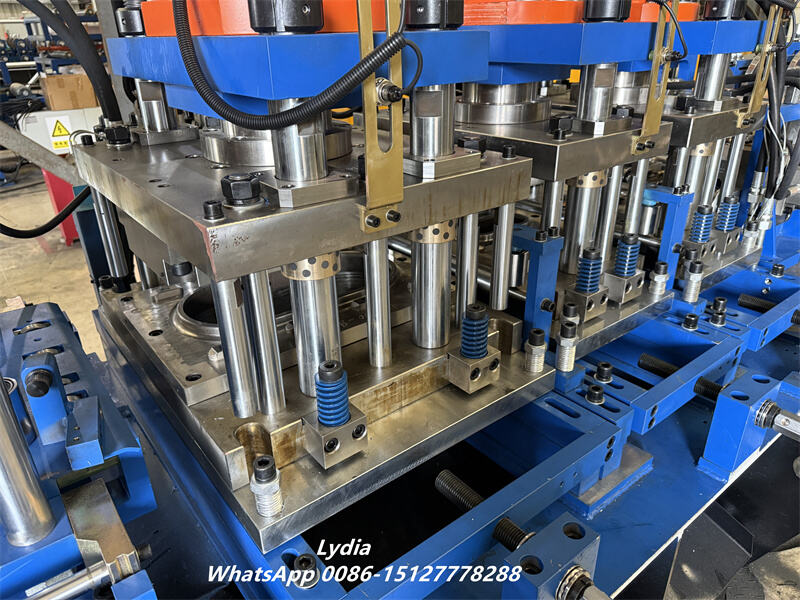
If the profile requires installation holes, ZTRFM can add a punching system before or after the forming section. A customized channel punch machine configuration allows manufacturers to produce holes at programmed positions while maintaining continuous production.
For roofing and structural framing applications, manufacturers can also customize the forming system for specific channel profiles. This makes the equipment suitable for applications where a roof channel making machine is required.
The machine configuration depends on the actual profile drawing, material thickness, hole pattern, and production requirements. As a result, ZTRFM can develop the forming rollers and production layout around the customer’s finished product instead of forcing the product to fit a standard machine.
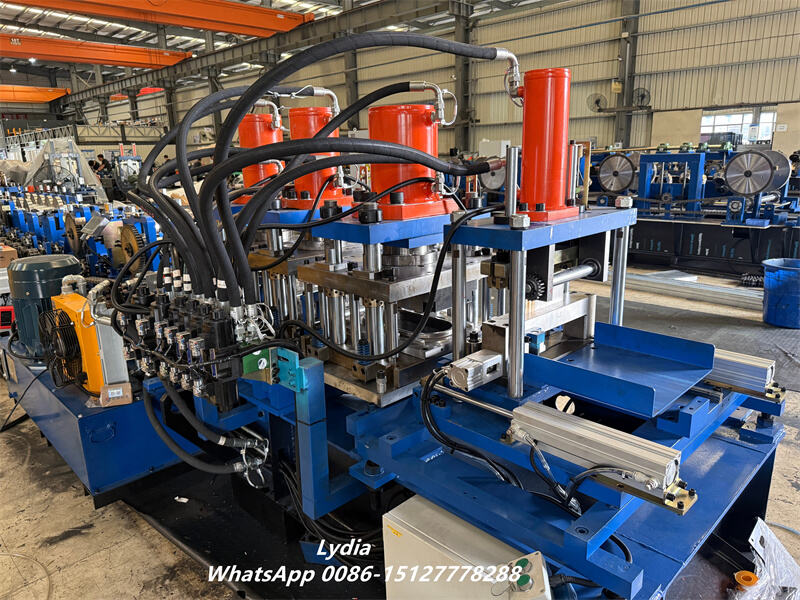
PLC-Controlled Automatic Production
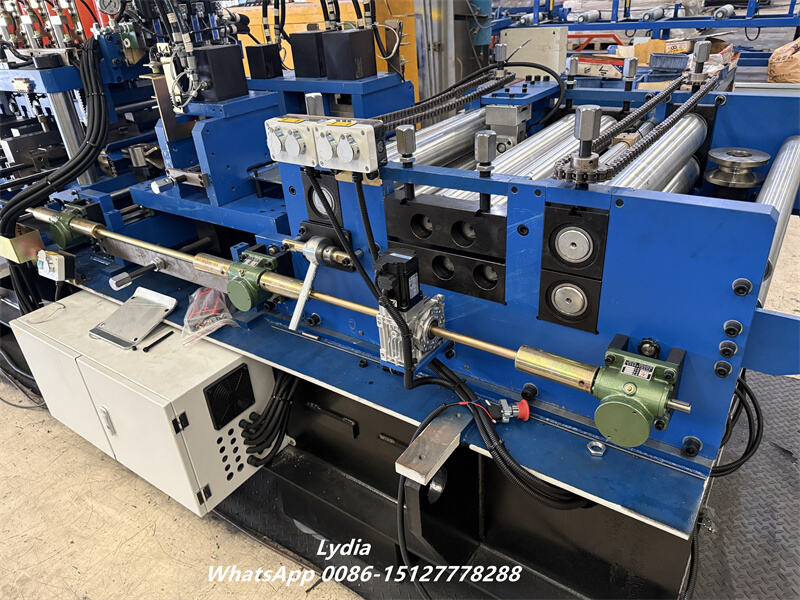
The PLC control system coordinates feeding, roll forming, cutting, and production-length management. Operators can enter the required profile length and quantity, and the machine automatically completes the programmed production cycle.
This automation reduces repetitive manual work and helps manufacturers maintain consistent production dimensions. At the same time, the electrical control cabinet can be customized with suitable components according to the customer’s requirements.
The system supports English and multiple other languages, making operation more convenient for international customers.
For manufacturers looking to expand their lightweight framing production, the equipment can also work as part of a broader light gauge steel cutting machine or framing production system. Additional functions such as punching, automatic feeding, and customized cutting can be integrated according to the final product.
Applications for Light Gauge Steel Framing
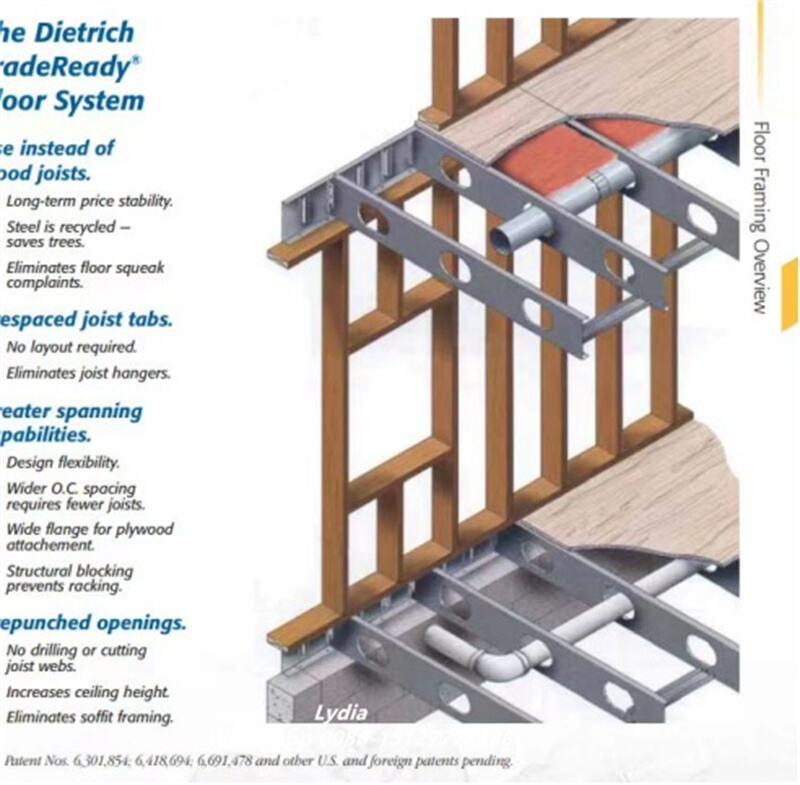
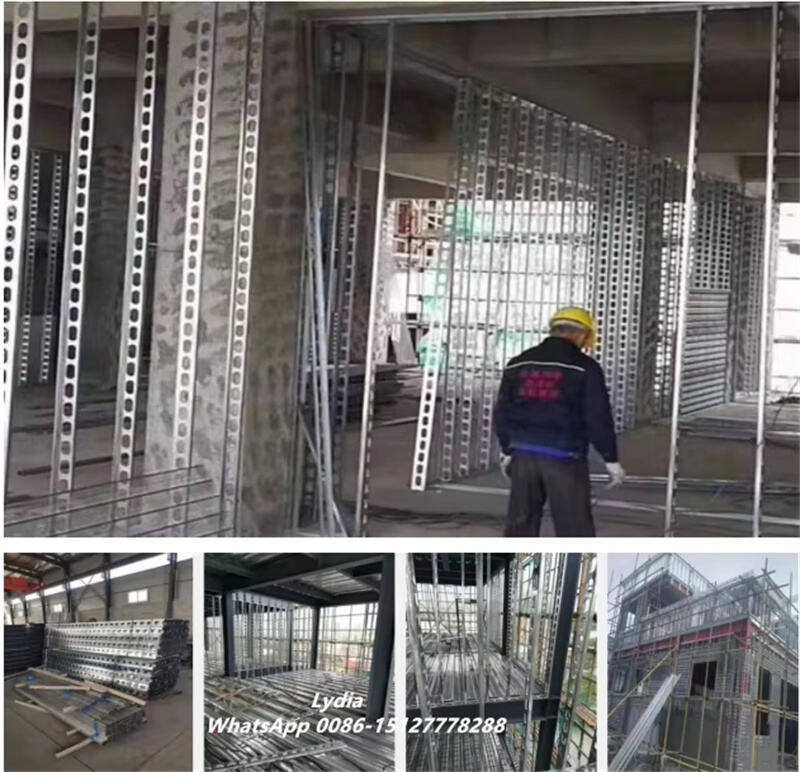
The finished grouting steel profiles can support a variety of lightweight construction applications. Manufacturers can use the profiles to build partition-wall frames, infill walls, ceiling structures, insulation systems, and other lightweight metal framing assemblies.
The galvanized steel profiles provide a practical combination of low weight, structural strength, and installation convenience. Installers can combine them with gypsum board, calcium silicate board, sound-absorbing panels, and other building materials to create lightweight interior systems.
The machine can therefore meet the production requirements of factories serving residential construction, commercial buildings, industrial facilities, partition-wall projects, and other modern construction applications.
For manufacturers producing more complex light-gauge structures, a customized light gauge steel truss machine configuration can also be developed when the required profile and forming process are suitable.
Why Choose ZTRFM Steel Channel Forming Equipment?
A dedicated roll forming line helps manufacturers produce steel framing profiles continuously rather than relying on multiple manual fabrication processes. The progressive forming method provides repeatable dimensions, while automatic cutting improves production efficiency.
More importantly, ZTRFM designs the machine around the customer’s actual profile. We can adjust the roller stations, shaft configuration, punching system, cutting method, decoiler, electrical components, and production speed according to the application.
Whether you need a stud and track making machine, channel forming machine, channel punch machine, or customized steel channel making machine, ZTRFM can provide a complete roll forming solution for your production requirements.
Frequently Asked Questions
1. What materials can the steel stud roll forming machine process?
The standard machine can process PPGI, GI, and aluminum materials. The standard material thickness is 0.5–1.2 mm, while other specifications can be discussed according to the profile and machine configuration.
2. What is the production speed of the machine?
The standard forming speed is approximately 40–45 m/min. Actual speed depends on the profile shape, material thickness, punching requirements, and final machine configuration.
3. Can the machine produce different channel profiles?
Yes. ZTRFM can customize the roller tooling according to the customer’s profile drawing. The machine can produce different C, U, channel, stud, track, and other customized lightweight steel profiles.
4. Can punching be added to the production line?
Yes. A punching system can be integrated according to the required hole shape, hole size, spacing, and punching position. This configuration is suitable for customers looking for a channel punch machine or automated framing production line.
5. Can ZTRFM customize the steel channel forming machine?
Yes. ZTRFM can customize the machine according to the customer’s profile drawing, material, thickness, finished length, punching pattern, production speed, voltage, and automation requirements. This allows the final machine to match the actual production application.
Reviews
There are no reviews yet.