
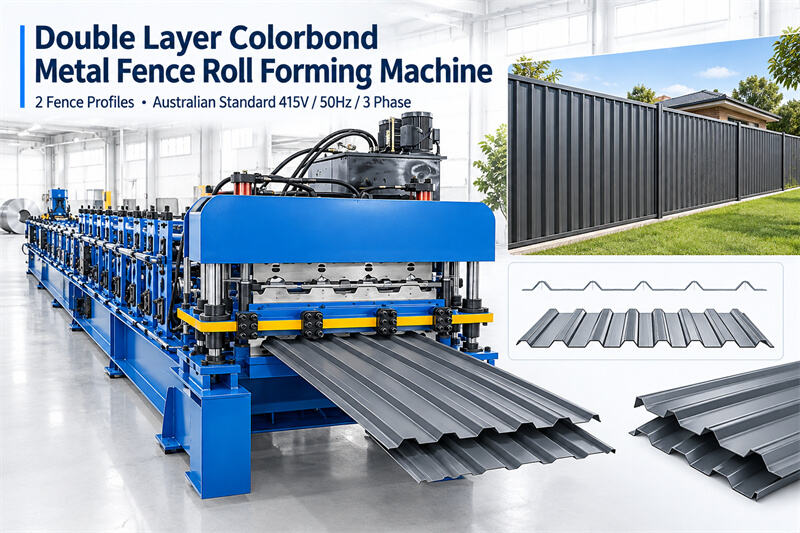
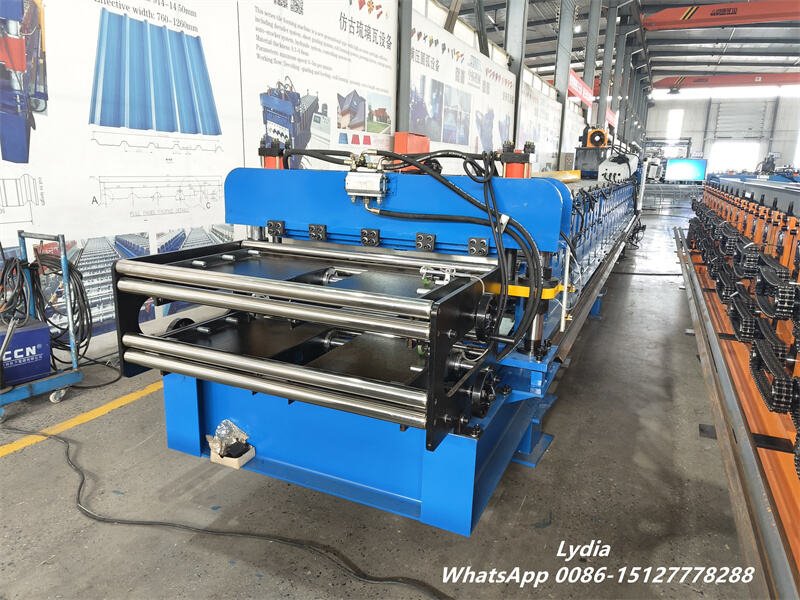
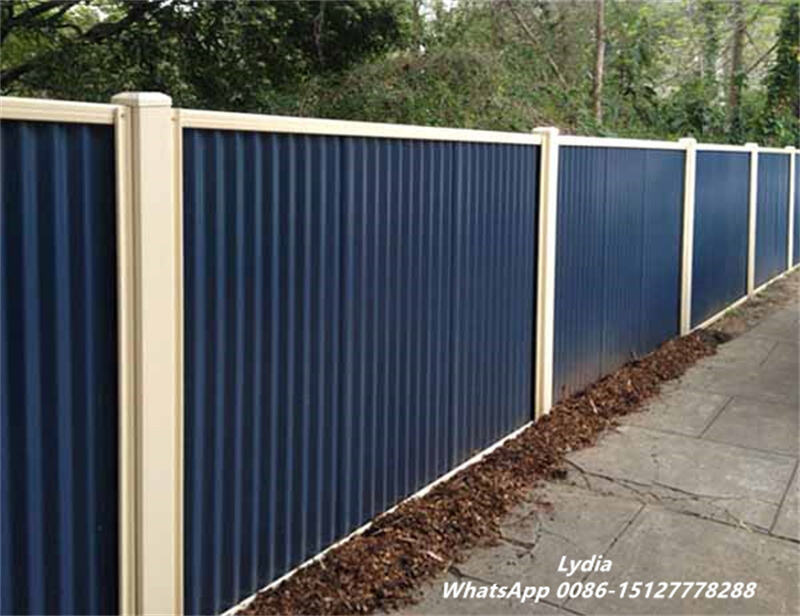
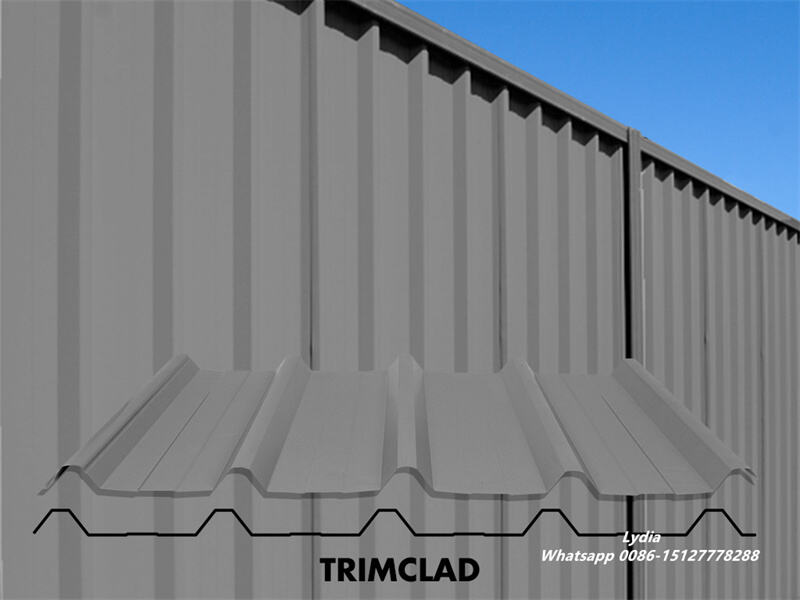

The Australia Double Layer Colorbond Metal Fence Roll Forming Machine is a high-efficiency production solution designed for manufacturers producing corrugated and trapezoidal metal fence panels. Developed for the Australian market, this double-layer line combines two fence panel profiles into one production system, helping manufacturers save floor space while expanding product options.
The machine can process pre-painted Colorbond and Zincalume steel in the typical 0.35–0.42 mm BMT, G550 range. Moreover, its PLC-controlled cutting and automatic stacking system allows operators to produce different panel lengths accurately and consistently. With Australian-standard 415V / 50Hz / 3-phase power, the line is well suited to local fencing manufacturers, contractors, and metal building-product suppliers.
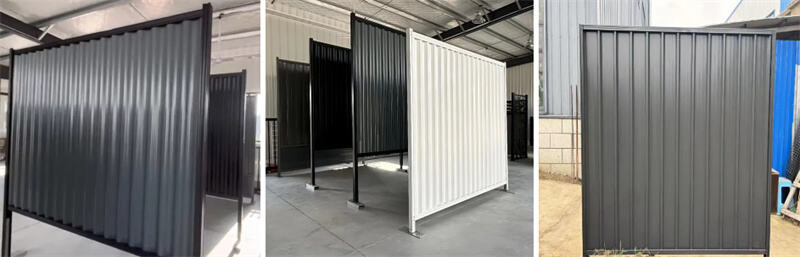
Double-Layer Fence Panel Production
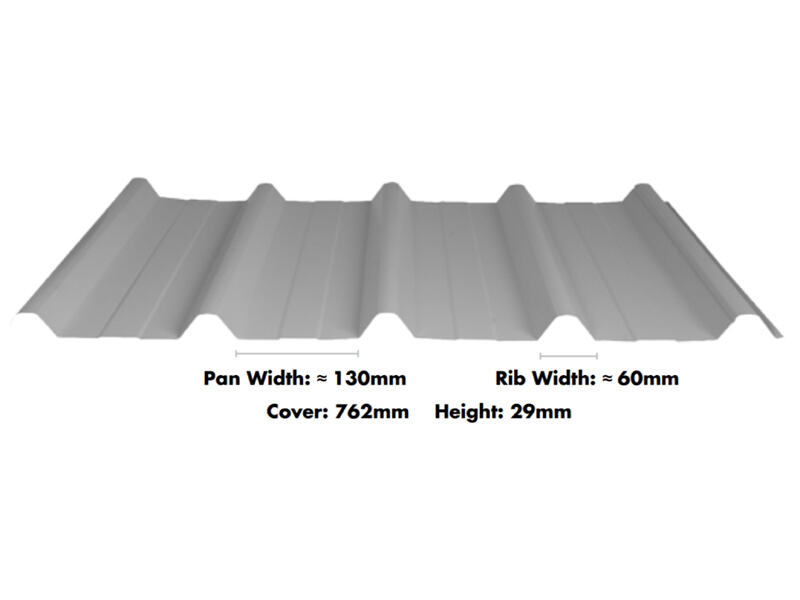
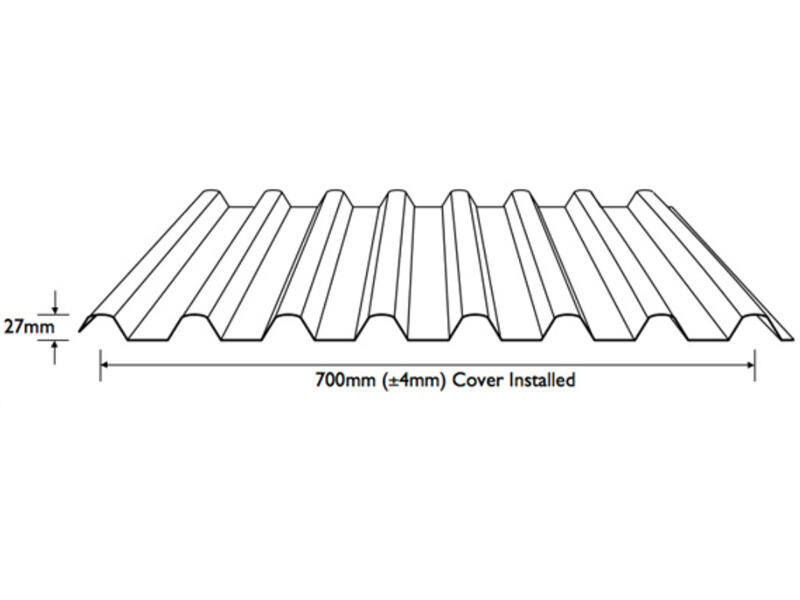
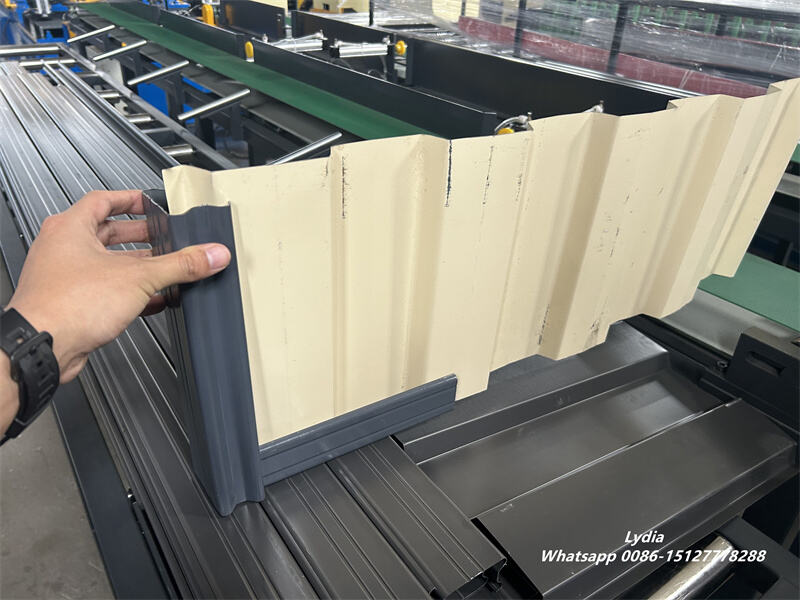
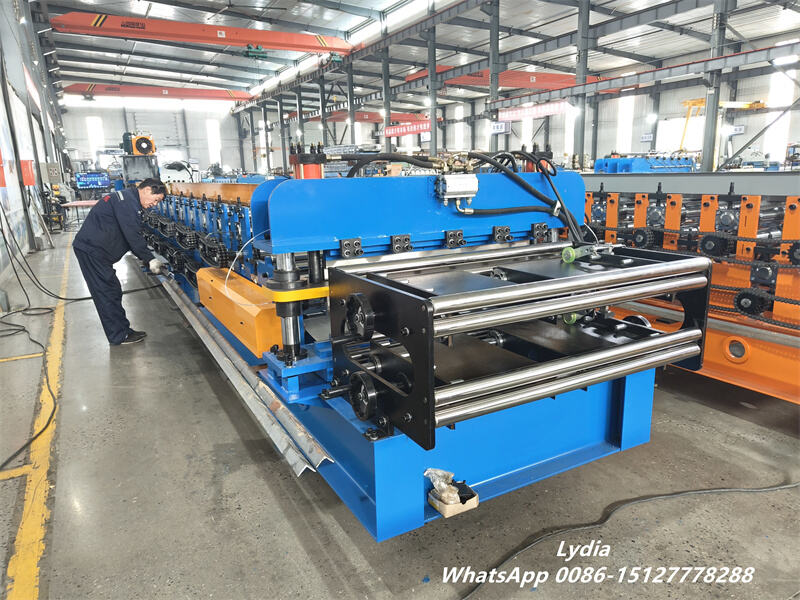
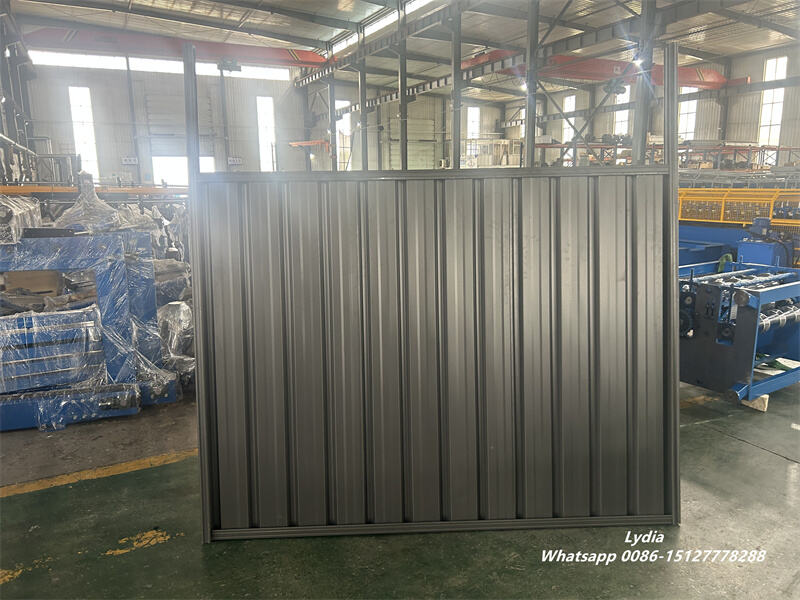
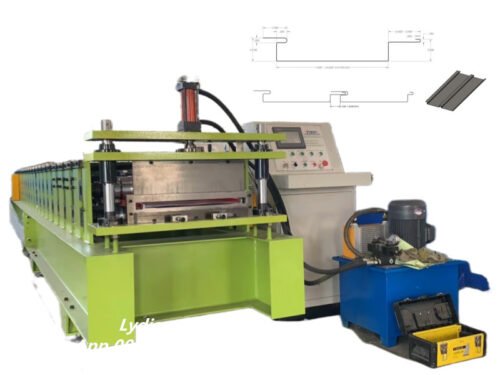
Instead of installing two independent roll forming lines, this system integrates two fence sheet roll forming sections into one double-layer configuration. Each layer is designed around a specific Australian fence panel profile, allowing manufacturers to switch production according to customer requirements.
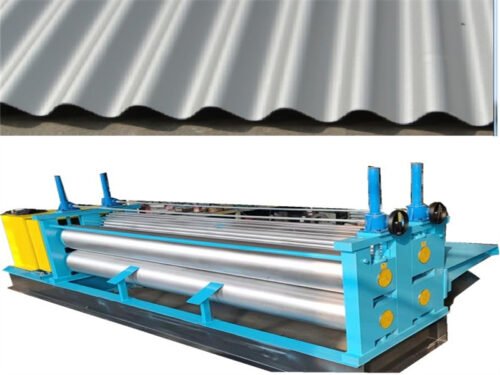
The first layer can form a trapezoidal rib-and-pan fence sheet, while the second layer produces a corrugated or wave-style fence sheet. Therefore, one machine provides greater production flexibility without requiring the floor space of two complete lines.
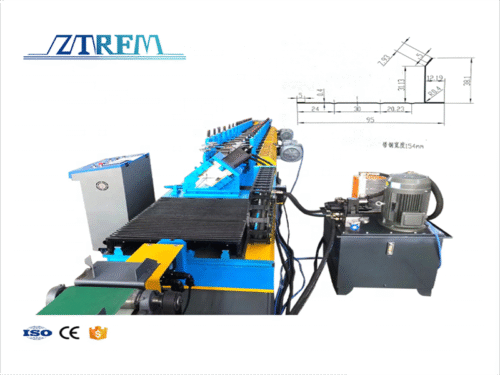
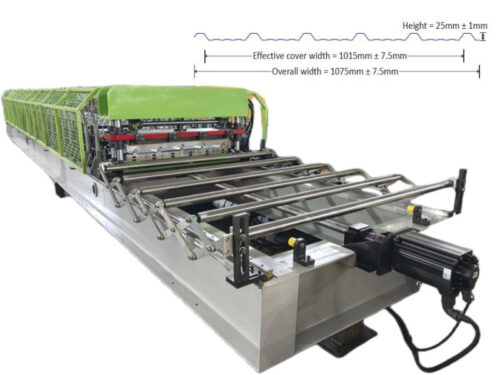
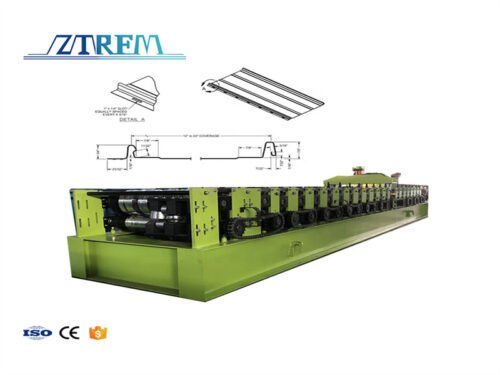
The proposed configuration uses approximately 20 + 20 forming stations. Before final machine engineering, customers can provide their standard profile drawings and required cover widths. Our engineering team can then verify the forming rollers, shaft arrangement, station configuration, and finished panel dimensions.
This approach also makes the machine easier to adapt to local fencing specifications. Rather than using a generic profile, the roll former can be engineered around the actual panel geometry required by the Australian market.
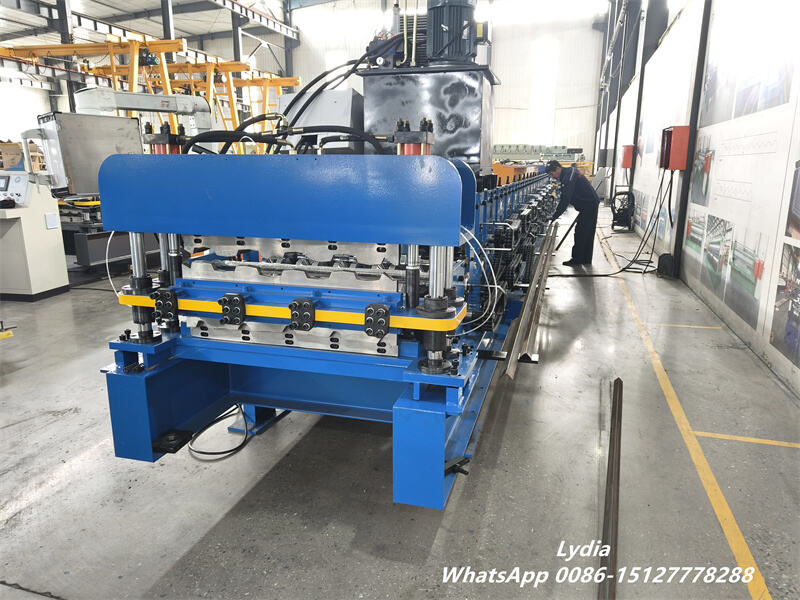
Designed for Colorbond and Zincalume Steel
Australian fencing applications demand materials that can handle changing weather conditions while maintaining a clean appearance. For this reason, the machine is designed to process pre-painted steel and Zincalume steel, including commonly used fencing materials in the Australian market.
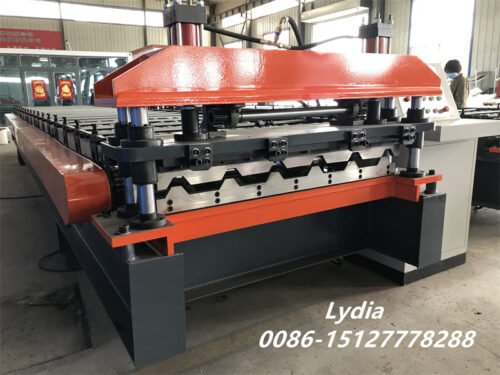
The roll forming process gradually shapes the coil through multiple stations. As a result, the machine maintains a controlled forming process instead of forcing the sheet into its final profile in one step. This helps reduce deformation and supports consistent panel geometry.
The G550 steel specification also provides the strength required for lightweight fencing panels. At the same time, the pre-painted surface gives finished panels a decorative appearance suitable for residential, commercial, and boundary fencing projects.
For manufacturers offering different fence colours, the machine can process coils supplied in various pre-painted finishes. Consequently, one production line can support a broader product range without changing the basic forming principle.
Automatic Cutting and Flexible Panel Lengths
Fence projects do not always require the same panel length. Therefore, this line uses a Siemens PLC with an English-language touchscreen to control production parameters and cutting lengths.
The proposed standard cutting lengths include:
- 1190 mm
- 1490 mm
- 1790 mm
- 2090 mm
Operators can enter the required length through the PLC interface, and the hydraulic cutting system then cuts the formed panel according to the programmed setting. This reduces manual measurement during production and helps maintain consistent finished products.
The automatic stacking system further improves the workflow. Once the panels leave the forming and cutting section, the automatic stacker collects and organizes them for easier handling, packing, and transportation. As a result, fewer manual operations are required between forming and finished-product storage.
Main Machine Specifications
| Item | Specification |
|---|---|
| Machine Type | Double Layer Metal Fence Panel Roll Forming Machine |
| Forming Configuration | 20 + 20 stations |
| Fence Profiles | Trapezoidal rib-and-pan + Corrugated/Wave |
| Suitable Material | Pre-painted Colorbond / Zincalume steel |
| Material Thickness | 0.35–0.42 mm BMT |
| Material Grade | G550 |
| Standard Cut Lengths | 1190 / 1490 / 1790 / 2090 mm |
| Length Control | Siemens PLC programmable control |
| Decoiler | Hydraulic decoiler |
| Optional Equipment | Coil loading car |
| Stacking | Automatic stacker |
| Control System | Siemens PLC + English touchscreen |
| Safety | Full protective enclosure and guarding |
| Electrical Supply | 415V / 50Hz / 3 Phase |
Safer and More Efficient Australian Production Line
Because a complete fence panel production line contains moving rollers, shafts, cutting equipment, and transmission components, operator protection remains an important part of the machine design. This system therefore includes a full protective safety enclosure and guarding around the appropriate working areas.
The Siemens PLC also centralizes machine operation. Operators can monitor production parameters, set panel lengths, and control the forming line through the English touchscreen interface. This makes daily operation more straightforward, especially for manufacturers that want a clear and familiar control system.
In addition, the hydraulic decoiler provides controlled coil feeding to the roll former. Customers can choose whether to include a coil loading car, depending on their preferred material-handling method and production volume. This flexibility allows the equipment configuration to match the customer’s workshop and budget.
Why Choose a Double-Layer Fence Panel Machine?
For fencing manufacturers, the main advantage of this configuration is production flexibility within a relatively compact footprint. A traditional setup may require separate machines for different fence profiles. However, a double-layer roll forming line combines two production routes into one integrated system.
This configuration can also simplify factory management. Instead of maintaining two completely independent control systems and production lines, the manufacturer operates one integrated machine with shared supporting equipment. Consequently, workshop space, operator requirements, and production management can become more efficient.
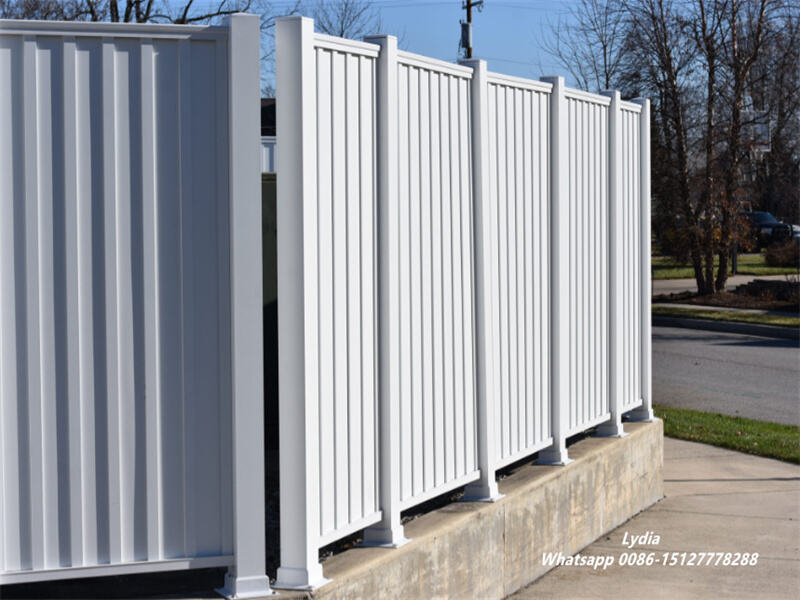
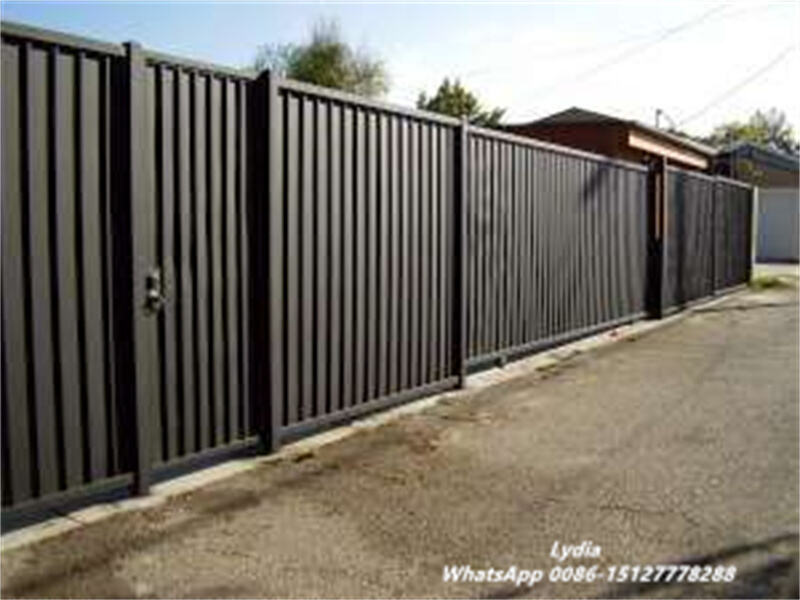
The finished panels are suitable for applications such as residential boundary fencing, commercial properties, industrial sites, rural properties, and other projects requiring durable metal fence sheets. Furthermore, the combination of trapezoidal and corrugated profiles allows manufacturers to offer customers different visual styles from the same production line.
For Australian fencing businesses, the combination of G550 pre-painted steel, programmable cutting, automatic stacking, dual-profile production, and Australian-standard electrical power makes this machine a practical choice for expanding metal fence panel production.
FAQ
1. What fence profiles can this double-layer machine produce?
The proposed line produces two profiles: a trapezoidal rib-and-pan fence sheet and a corrugated/wave fence sheet. Customers can provide their profile drawings and cover widths so the forming system can be engineered accordingly.
2. Can the machine produce Colorbond fence panels?
Yes. The machine is designed for pre-painted steel commonly used for Australian fencing applications, including Colorbond-type pre-painted steel. Material specifications should be confirmed before final machine design.
3. What material thickness can the machine process?
The proposed material range is 0.35–0.42 mm BMT, with G550 steel. The exact forming parameters should be confirmed according to the customer’s material and profile drawings.
4. Can I change the fence panel length?
Yes. The Siemens PLC allows operators to program different cutting lengths. The proposed standard lengths are 1190, 1490, 1790, and 2090 mm, while other lengths can be discussed according to the production requirements.
5. Does the machine include automatic stacking?
Yes. The proposed configuration includes an automatic stacker, which collects finished fence panels after cutting and helps prepare them for handling and packaging.
6. Is the machine suitable for Australia?
Yes. The electrical configuration is designed for the Australian requirement of 415V / 50Hz / 3-phase. The line also includes full protective guarding and an English Siemens touchscreen for convenient operation.

Reviews
There are no reviews yet.