

What Affects the Price of a Metal Perforated Machine?
1. Machine Configuration and Dies
Different punching patterns and micro-hole requirements directly influence die complexity and manufacturing cost.

2. Performance Parameters
The tonnage of the punching press, decoiler load capacity, and leveling accuracy all affect equipment pricing and long-term stability.
3. Optional Accessories
Additional units such as feeding trolleys, unloading trolleys, or sheet cleaning machines further enhance automation while adjusting the total investment.
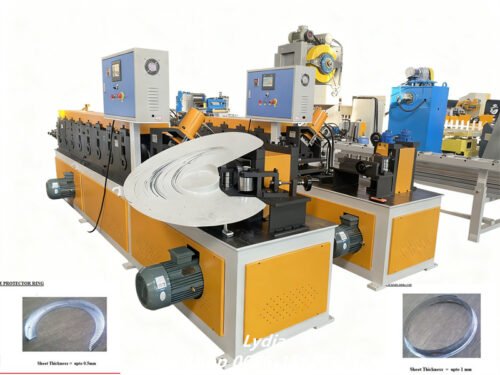
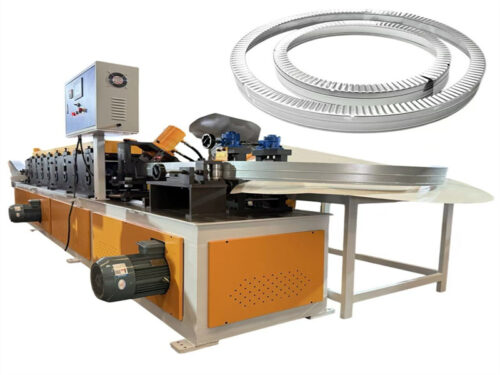
This customized metal perforated machine production line integrates precise feeding, high-speed punching, and stable recoiling into one efficient system. By combining reliable electrical brands, flexible die design, and safety-oriented structure, it actively supports customers in expanding product ranges and improving manufacturing competitiveness.
If you are looking for a high-efficiency steel perforated machine solution tailored to your drawings and production needs, this configuration provides a proven and scalable choice.
Metal Perforated Machine Production Line Customized Technical Machine
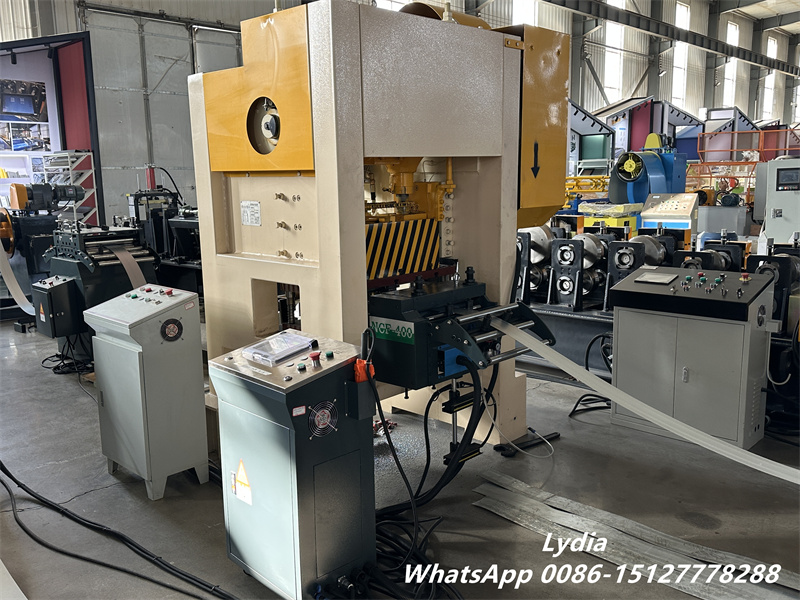
How Does a Metal Perforated Machine Work?
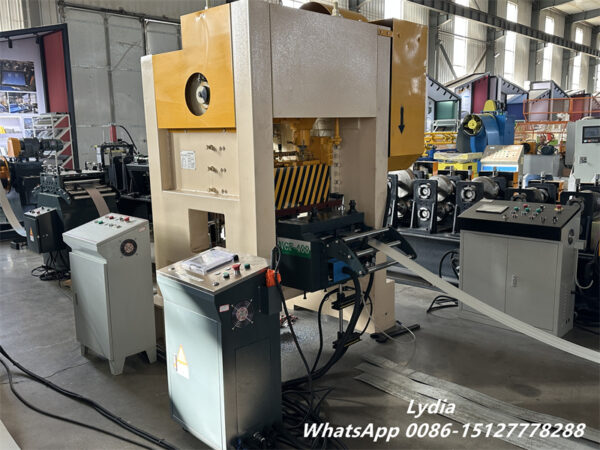
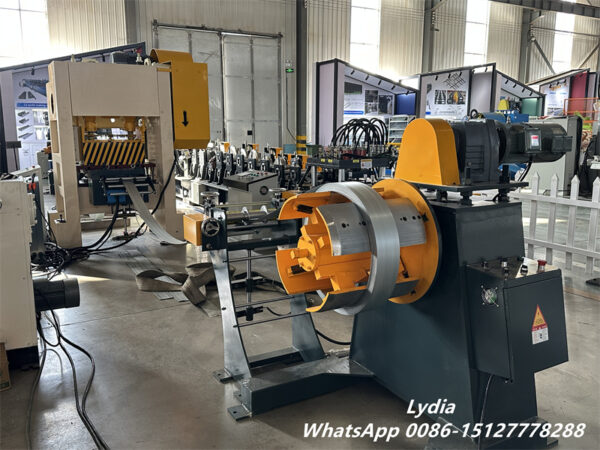
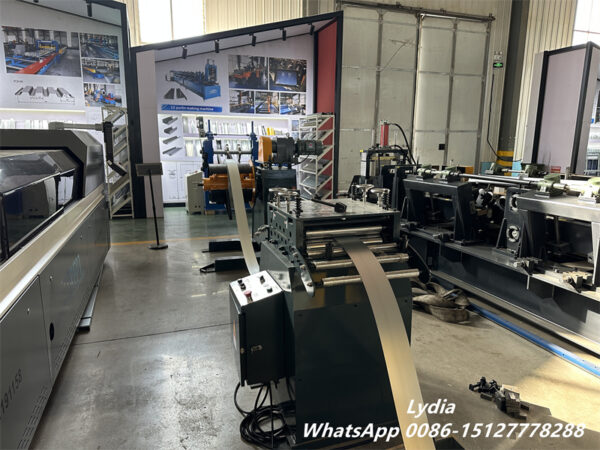
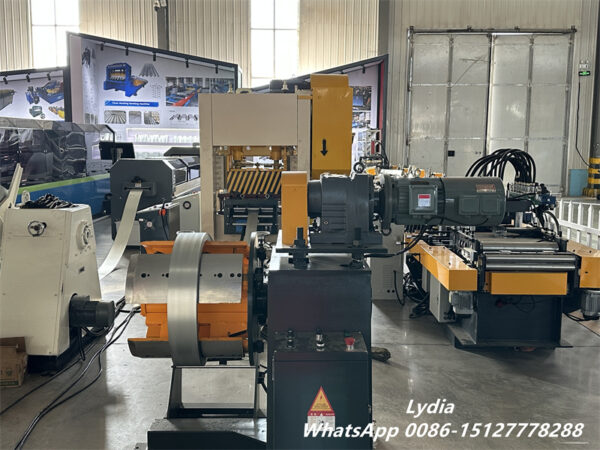
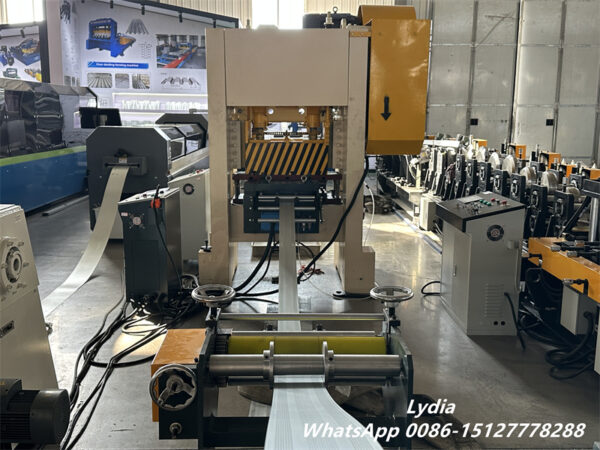
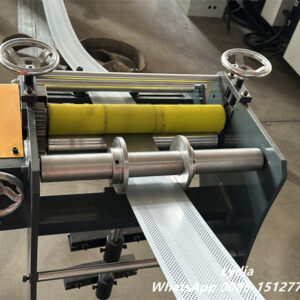
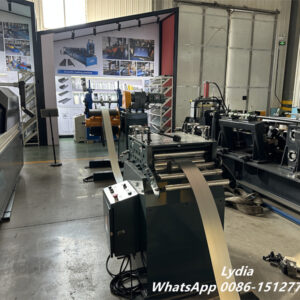
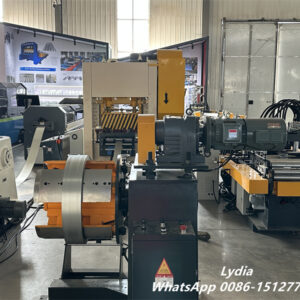
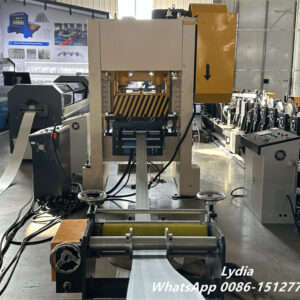
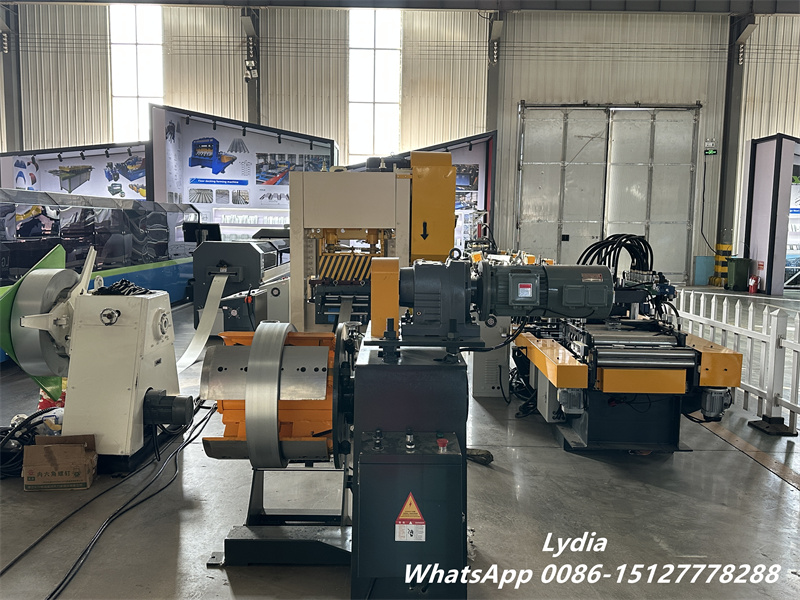
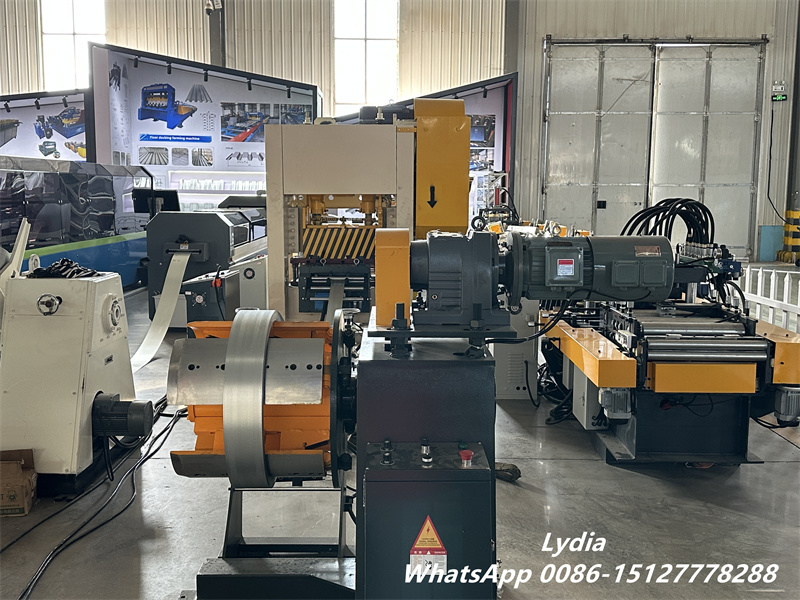
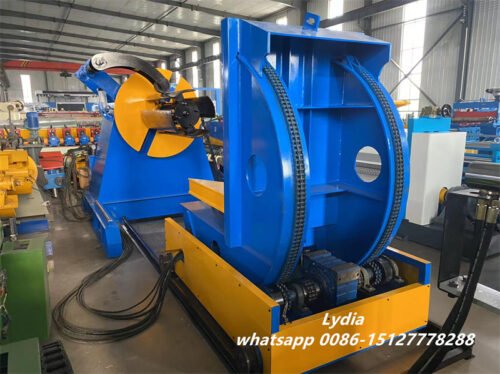
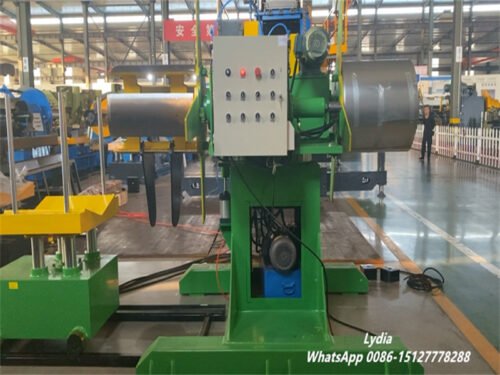
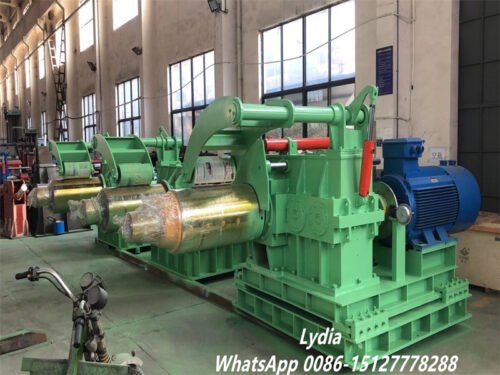
A complete perforated metal production line consists of several coordinated units. First, the decoiler actively releases the steel coil. Next, the leveling machine flattens the material, ensuring surface consistency. Then, the servo feeder transfers the strip into the punching press with precise positioning.
After punching, the damping system stabilizes the strip. Finally, the recoiler rewinds the perforated material into coils, or a shearing system can cut sheets to length.
Raw Material Specification
- Material Type: Hot-dip galvanized steel coil & pre-painted steel coil
- Thickness Range: 0.6–1.0mm
- Coil Drawing: Provided by customer (see attached drawings)
By using standardized coil materials, the perforated machine line guarantees consistent forming quality and long-term production stability.
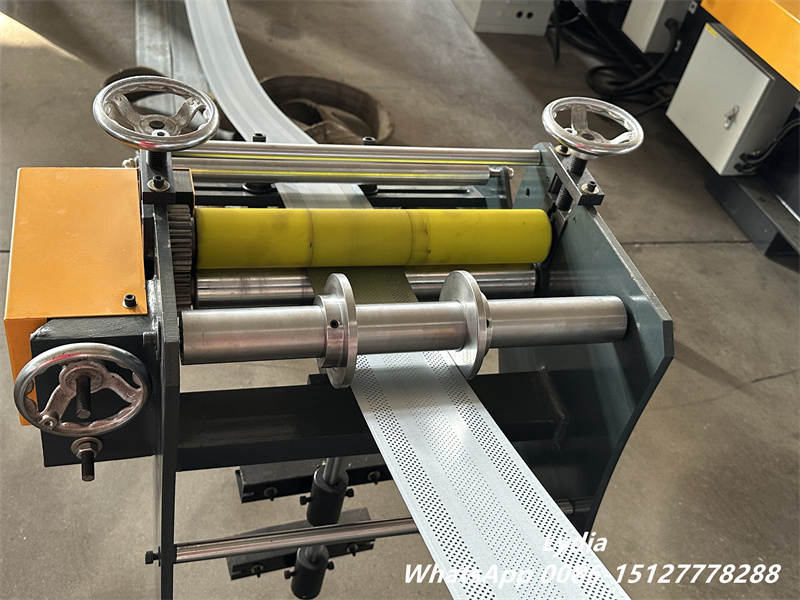
Working Process Flow
Electric Decoiler → Leveling Machine → Servo Feeder → Punching Press → Damping System → Recoiler
This continuous workflow allows the perforated metal machine to operate efficiently while maintaining high punching accuracy and smooth material handling.
Electrical Components
- PLC: Mitsubishi
- Touch Screen: Delta
- AC Contactor & Intermediate Relay: Schneider
These internationally recognized brands significantly improve system reliability, response speed, and ease of maintenance.
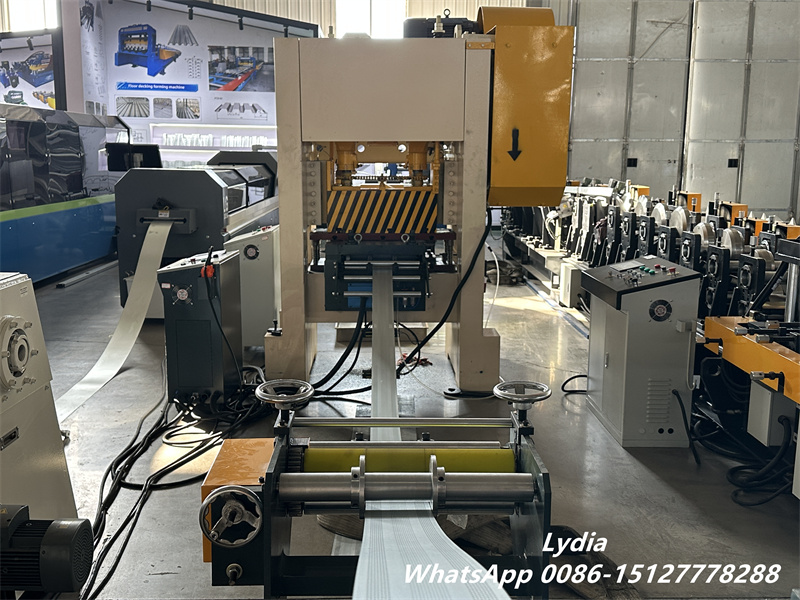
Main Equipment Configuration (Parameter Overview Table)
To improve readability and help customers quickly evaluate the technical capability of the metal perforated machine line, all key parameters are summarized in the table below.
| Section | Item | Specification |
|---|---|---|
| Power System | Voltage | 400V / 50Hz / 3 Phase |
| Raw Material | Material Type | Hot-dip galvanized steel, Pre-painted steel |
| Thickness Range | 0.6–1.0mm | |
| Electric Decoiler | Material Width | < 400mm |
| Coil Inner Diameter | Ø500mm | |
| Coil Outer Diameter | Ø1200mm | |
| Max Load Capacity | 5 Tons | |
| Expansion Range | Ø450–530mm (Ø508 optional) | |
| Expansion Mode | Manual | |
| Motor Power | 1.5KW | |
| Transmission | Chain drive | |
| Speed Control | Frequency inverter | |
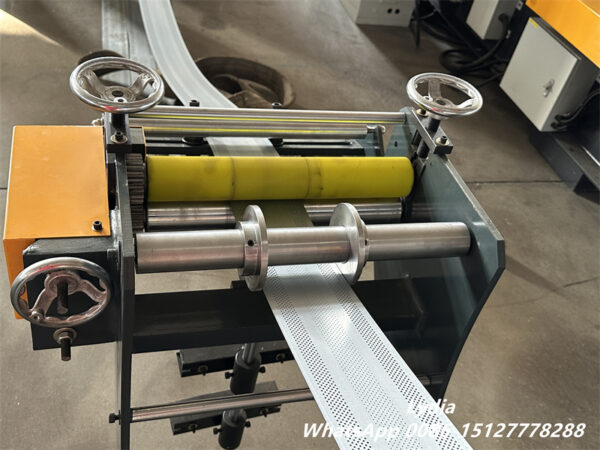
| Leveling Machine | Material Width | < 400mm |
| Material Thickness | 0.35–1.2mm | |
| Feeding Speed | 15m/min | |
| Reducer | WPRT 1.5KW | |
| Leveling Rollers | Upper 3 / Lower 4 | |
| Servo Feeder | Model | NC-400 |
| Punching Press | Capacity | 80 Tons |
| Stroke | 20mm | |
| Punching Speed | 60–250 SPM | |
| Working Table Size | 900 × 600mm | |
| Motor Power | 11KW (Speed adjustable) | |
| Die Type | Manual pin removal | |
| Recoiler | Feeding Width | 50–400mm |
| Material Thickness | 0.35–1.2mm | |
| Max Load | 5 Tons | |
| Recoiling Speed | 16m/min | |
| Expansion Range | Ø450–530mm | |
| Max Coil OD | Ø1200mm | |
| Motor Power | 2.2KW | |
| Speed Control | Torque control |
This table-based layout allows buyers to compare specifications at a glance while clearly understanding the full production line capacity.
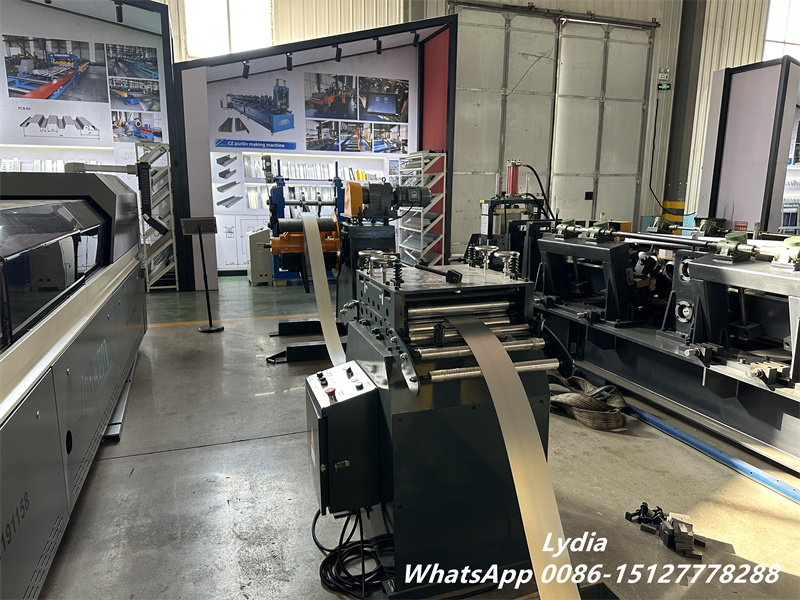
Equipment Color Standard
- RAL 1028 (Orange): Movable parts with potential safety risks
- RAL 7026 (Gray): Fixed, non-movable parts
This color scheme improves safety awareness while maintaining an industrial, professional appearance.
What Is the Function of a Metal Perforated Machine?
A metal perforated machine is used to punch holes of various shapes and sizes into metal sheets or coils. Compared with traditional single-punch methods, this machine performs continuous, high-speed perforation with excellent accuracy.
Moreover, modern steel perforated machines can reach punching speeds of up to 180 SPM, making them ideal for mass production. By using high-precision dies, the machine ensures uniform hole size and clean edges across the entire sheet.
Supported Hole Patterns
The metal perforated machine supports multiple hole designs, including:
- Round holes
- Oblong holes
- Square holes
- Triangle holes
- Diamond holes
- Hexagonal holes
- Crossed holes
By changing punching dies, manufacturers can quickly switch between different patterns on the same machine.
Key Technical Advantages (Overview Table)
| Feature | Description | Customer Benefit |
|---|---|---|
| High-Speed Punching | Up to 250 SPM | Increases production output |
| Servo Feeding | Accurate positioning | Improves hole consistency |
| Custom Dies | Based on drawings | Flexible product designs |
| Stable Leveling | Multi-roller structure | Better surface flatness |
| Automated Control | PLC operation | Reduces labor cost |



Reviews
There are no reviews yet.