
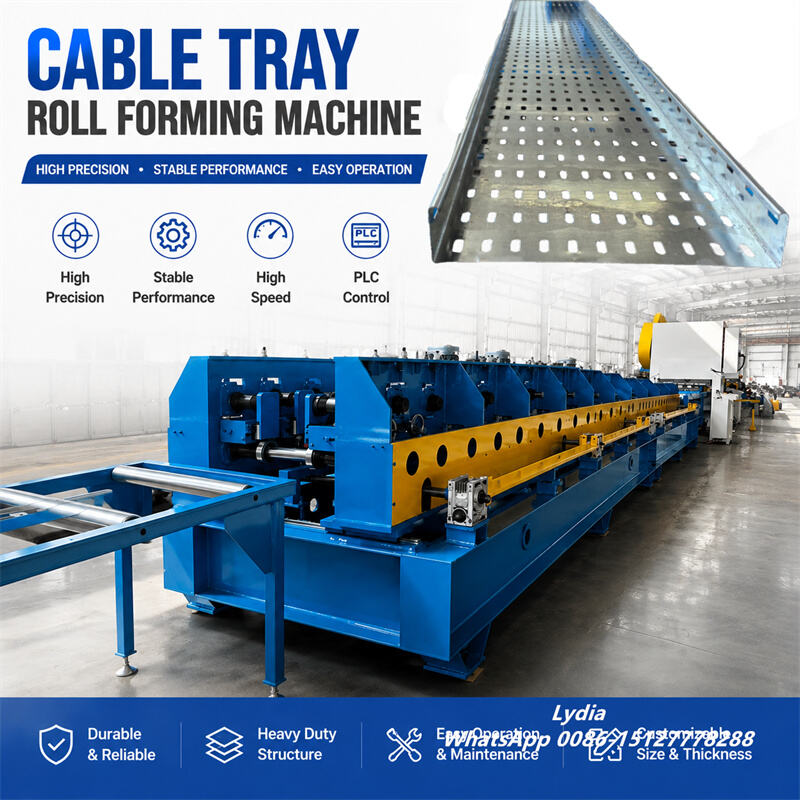

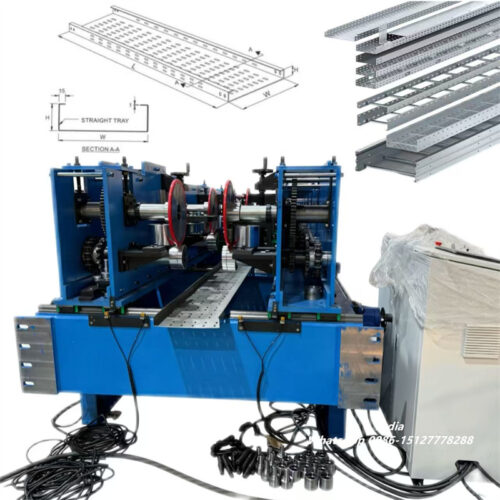
Modern electrical installations require reliable cable management solutions. Cable trays play a critical role in supporting and organizing power, communication, and control cables in industrial and commercial buildings. A Cable Tray Roll Forming Machine enables manufacturers to produce high-precision trays continuously from metal coils, ensuring consistent quality and high productivity.
At ZTRFM, we design advanced roll forming systems that integrate punching, forming, and cutting into a single automated production line. As a result, manufacturers can efficiently produce a wide range of cable tray profiles while maintaining excellent dimensional accuracy and structural strength.
What Is a Cable Tray Roll Forming Machine?
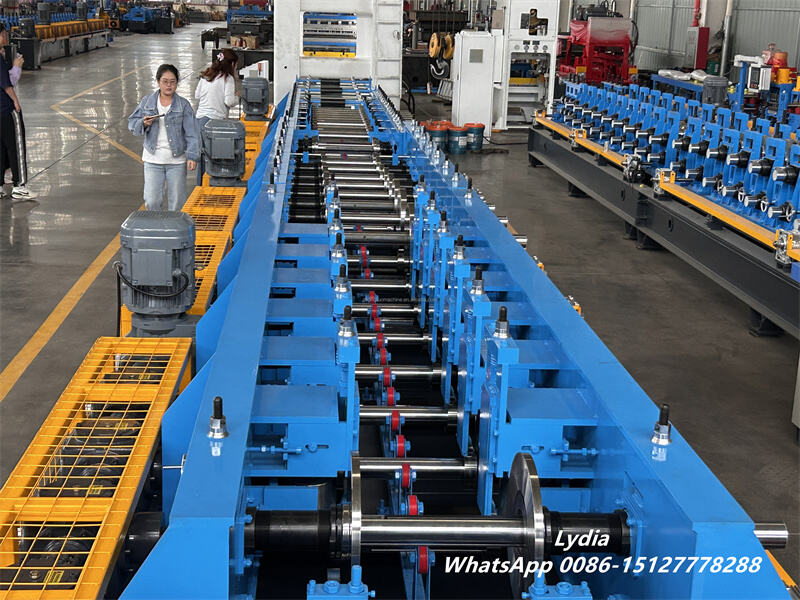
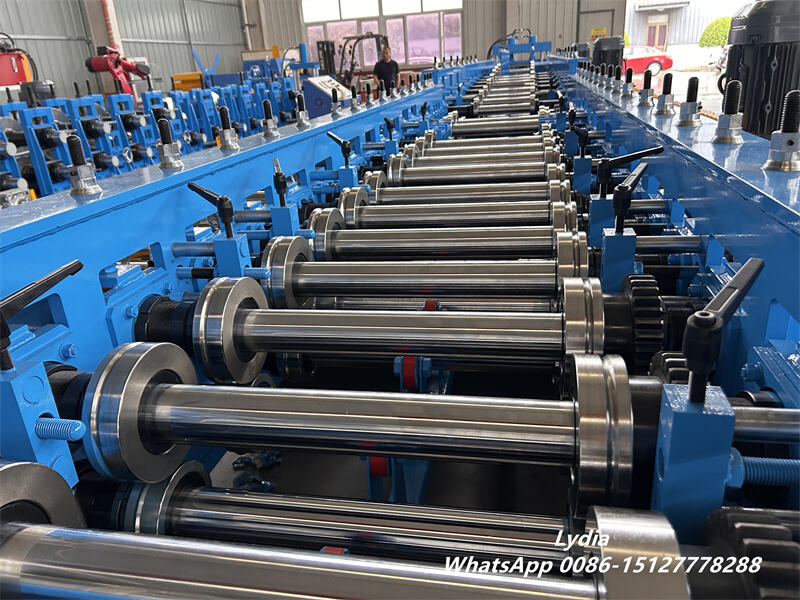
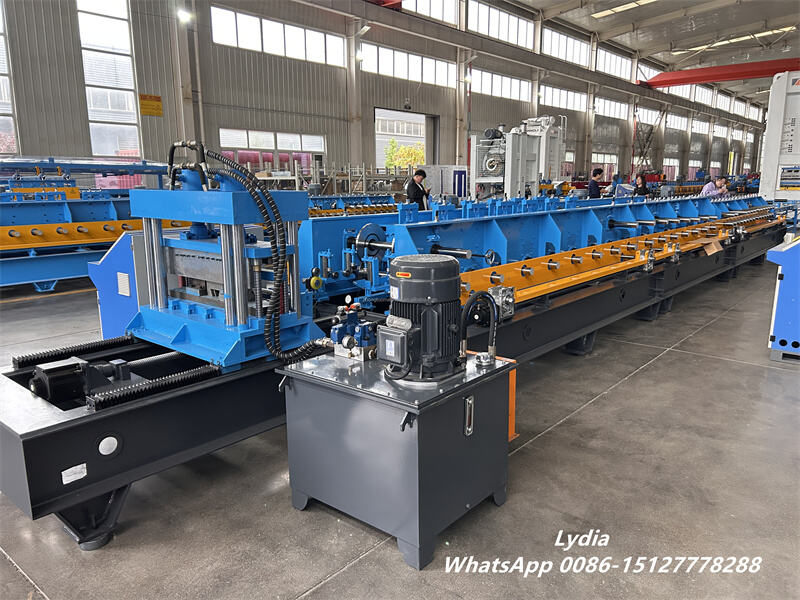
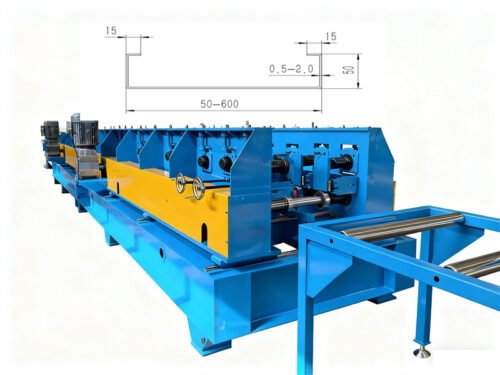
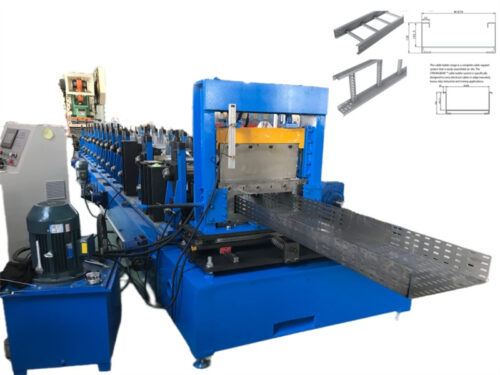
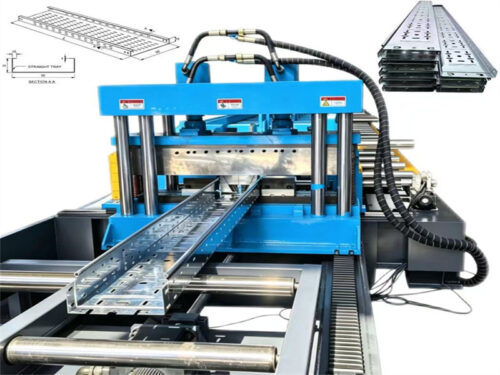
A Cable Tray Roll Forming Machine is a fully automated production system used to manufacture metal cable trays from steel or aluminum coils. Instead of producing trays through traditional fabrication methods, the roll forming process gradually shapes the material through multiple forming stations.
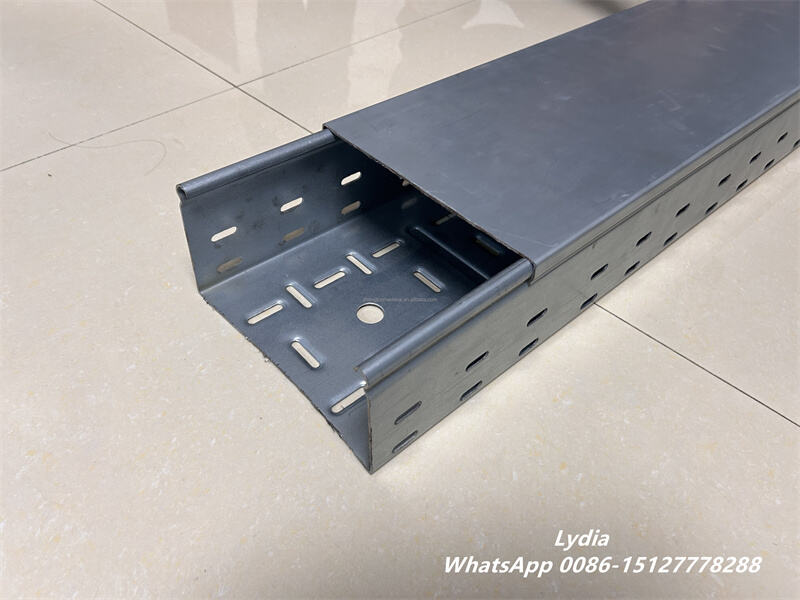
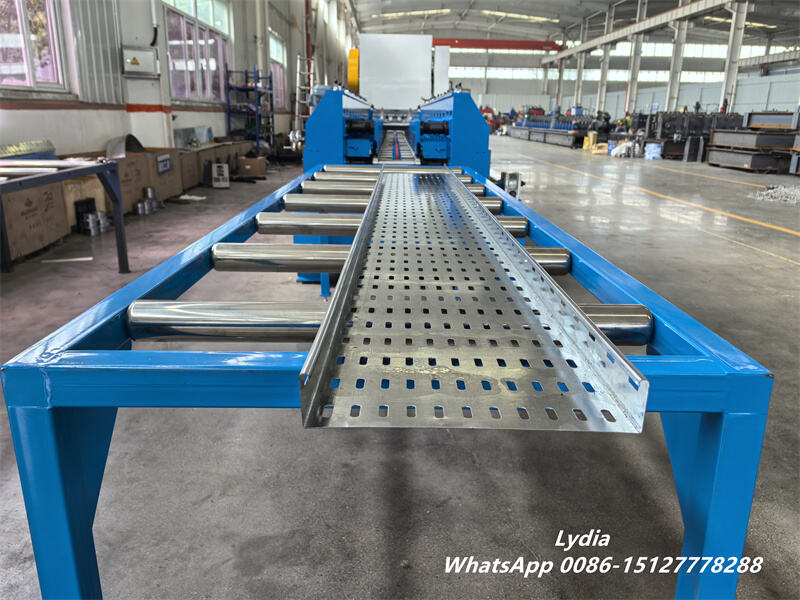
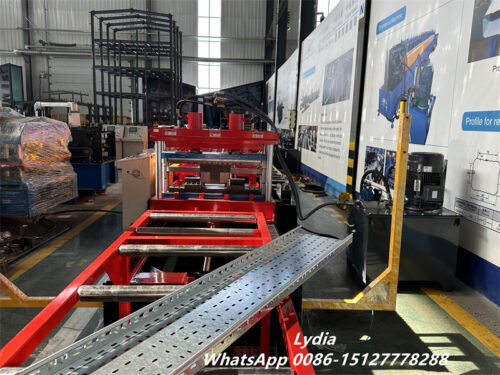
Consequently, this continuous process ensures smooth edges, accurate dimensions, and improved production efficiency. Furthermore, integrated punching stations allow manufacturers to create ventilation holes and mounting slots directly during production.
In addition, the entire line operates under PLC control, allowing operators to easily adjust production parameters and tray sizes through a touchscreen interface.
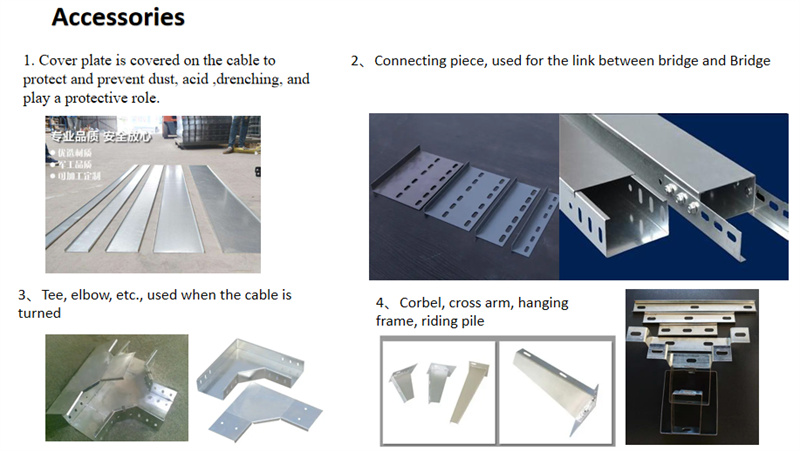
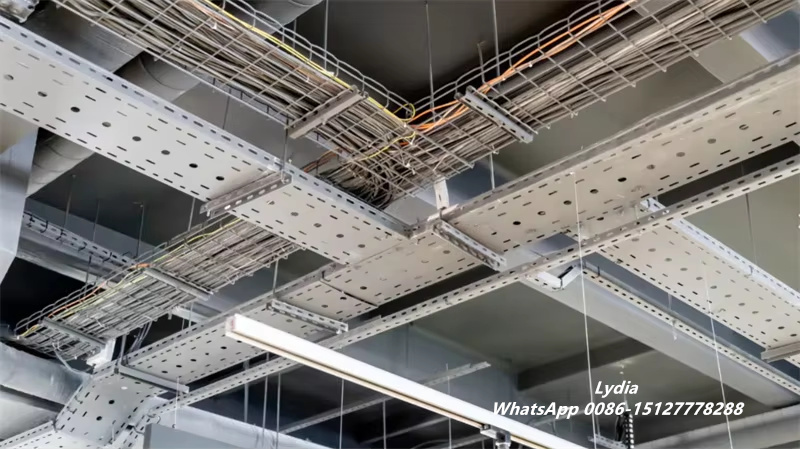
Different industries require different cable tray structures depending on ventilation, cable load, and installation environment. Therefore, our roll forming machines are designed to produce multiple tray types.
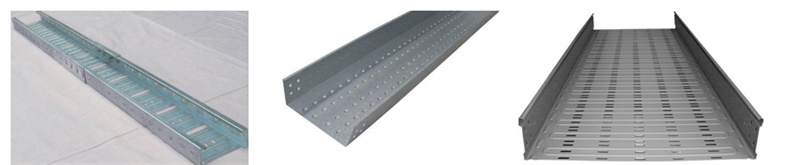
Common cable tray designs include:
- Perforated cable trays
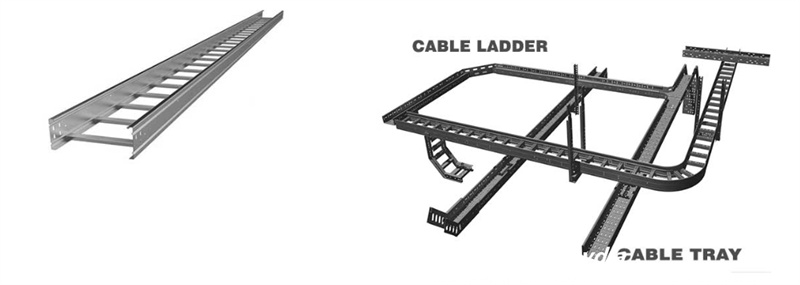
- Ladder type cable trays
- Solid bottom cable trays
- Trough cable trays
- Channel cable trays
- Wire mesh cable trays
For example, ladder cable trays are typically used in long-span installations because they provide excellent ventilation and strong structural support. Meanwhile, perforated trays are widely used in commercial buildings because they balance ventilation and cable protection.
 Technical Specifications of the Production Line
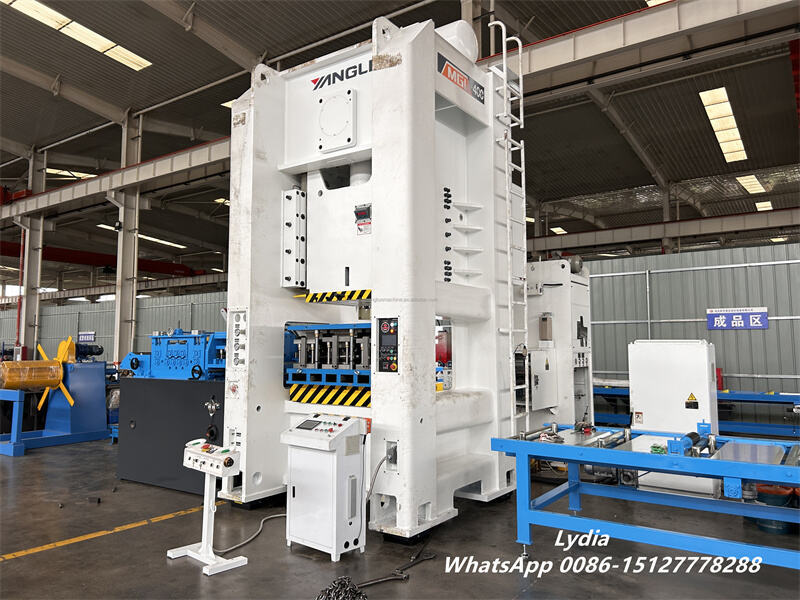
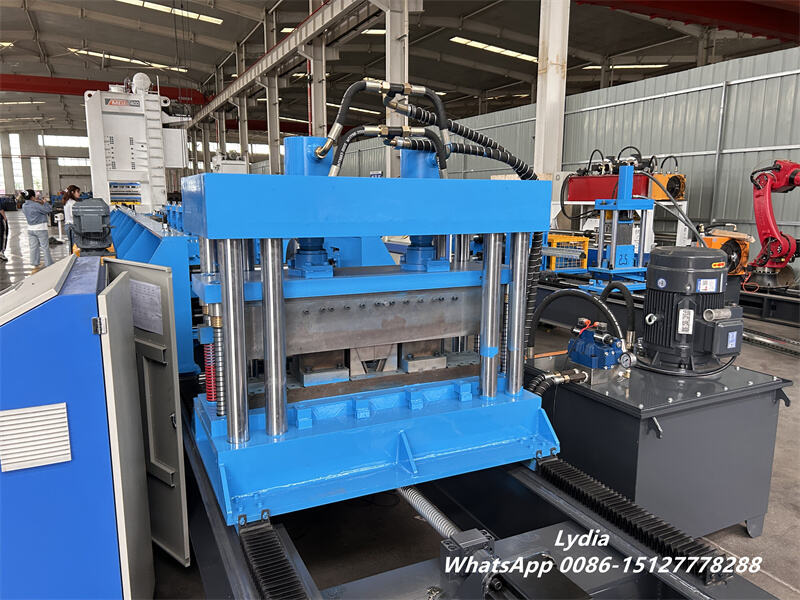
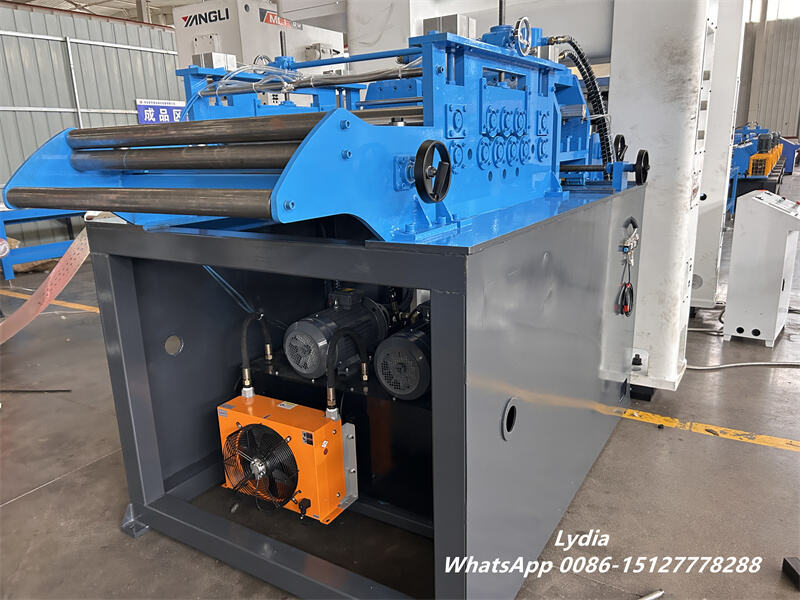
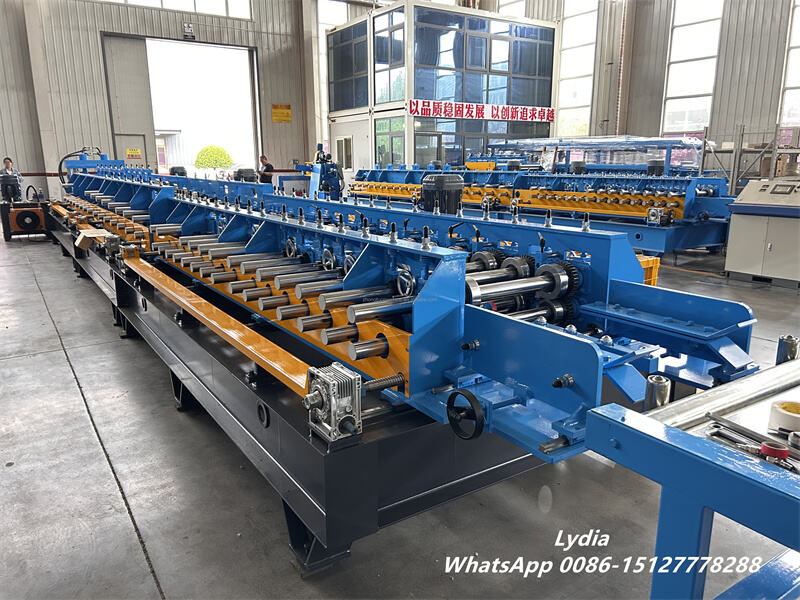
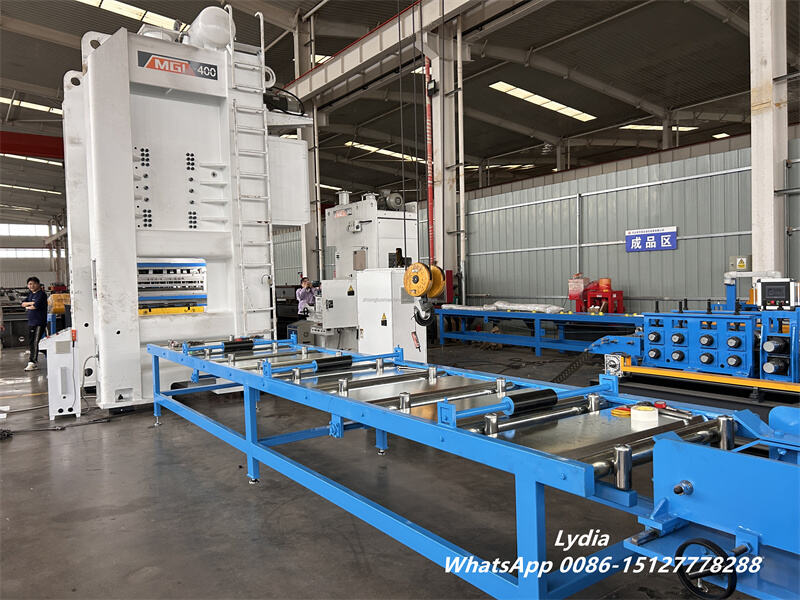
The cable tray roll forming line integrates several machines, including decoiling, leveling, punching, roll forming, cutting, and product collection systems. Together, these units ensure smooth material feeding and stable production.
| Item | Specification |
|---|---|
| Raw Material | Galvanized steel, carbon steel, HR coils |
| Material Thickness | 0.7 – 2.0 mm |
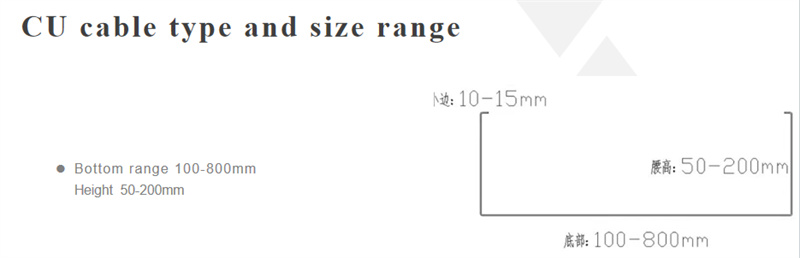
| Cable Tray Width | 100 – 800 mm |
| Cable Tray Height | 50 – 200 mm |
| Production Speed | 6 – 8 m/min |
| Roll Forming Stations | 23 stations |
| Shaft Diameter | Φ85 mm |
| Roller Material | GCr15, heat treated HRC58–62 |
| Punching Press | JF21-315T |
| Cutting Method | Hydraulic stop cutting |
| Control System | Siemens PLC with touch screen |
Because of this robust configuration, the machine delivers stable operation, high precision, and long service life.
Main Components of the Cable Tray Roll Forming Line
A complete cable tray manufacturing line typically includes several key systems that work together to achieve continuous production.
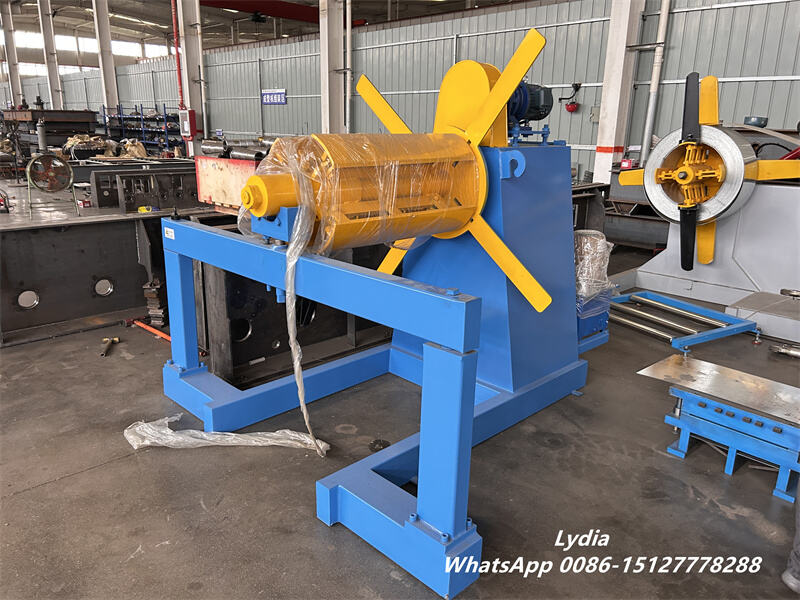
First, the hydraulic decoiler holds and feeds the steel coil into the production line while maintaining stable tension. Next, the leveling system straightens the material to ensure accurate forming.
After leveling, the material enters the servo feeding system and punching press, where holes and slots are created according to the tray design. Then, the roll forming machine gradually shapes the tray profile through multiple forming stations.
Finally, the hydraulic cutting unit cuts the finished product to the required length, and the run-out table collects the completed cable trays for packaging or further processing.
Meanwhile, the entire system is controlled by a Siemens PLC control cabinet, allowing operators to monitor machine status, adjust parameters, and ensure safe operation.

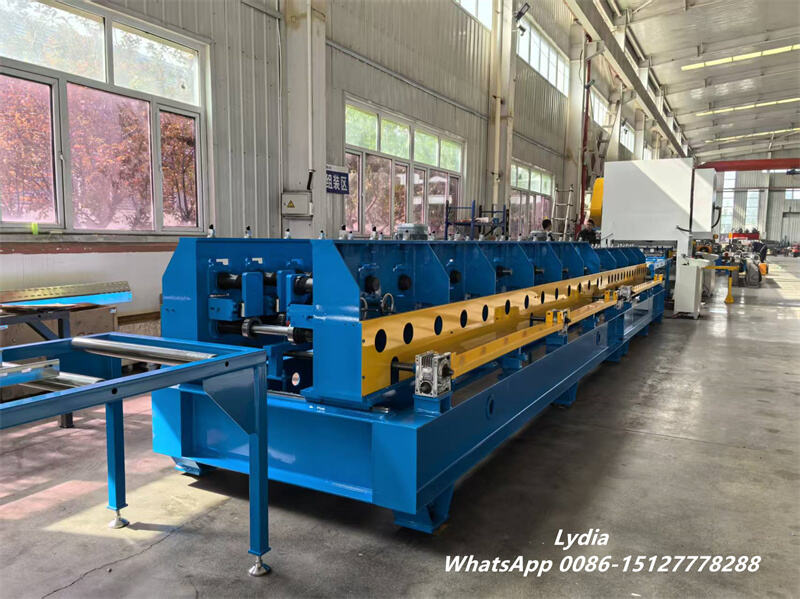
Advantages of Our Cable Tray Roll Forming Machines
Our cable tray production systems are engineered for durability, flexibility, and efficiency. Therefore, they are widely used by electrical infrastructure manufacturers and construction material suppliers.
Key advantages include:
- High-precision roll forming for consistent product quality
- Adjustable width design for producing multiple tray sizes
- Integrated punching system for accurate hole positioning
- PLC automation for easy operation and quick size change
- Heavy-duty machine frame for stable long-term production
Moreover, our machines can be customized according to specific cable tray standards and customer requirements. This flexibility allows manufacturers to produce trays for various markets and applications.
Related Roll Forming Machines
For manufacturers looking to build a complete shutter door production system, ZTRFM also provides a range of specialized roll forming machines for different door components. These machines can be integrated into a customized production line according to panel design and manufacturing requirements.
- Shutter Door Bottom Slat Machine – Designed to produce bottom slats for rolling shutter doors with accurate dimensions and consistent profiles.
- Door Frame Making Machine – Used for forming durable and precise door frames for industrial, commercial, and residential door systems.
- Shutter Door Guide Rail Machine – Produces guide rails that ensure smooth and stable movement of rolling shutter doors during opening and closing.
- Shutter Door Machine – A flexible solution for manufacturing various rolling shutter door profiles and components, with customized configurations available for different applications.
Together with the PU Garage Door Roll Forming Machine, these solutions allow manufacturers to establish a more complete and efficient door production system, covering major components from door panels and frames to bottom slats and guide rails.



Reviews
There are no reviews yet.