
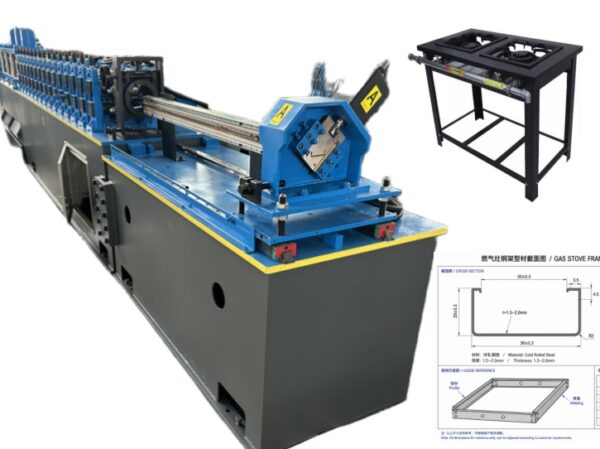
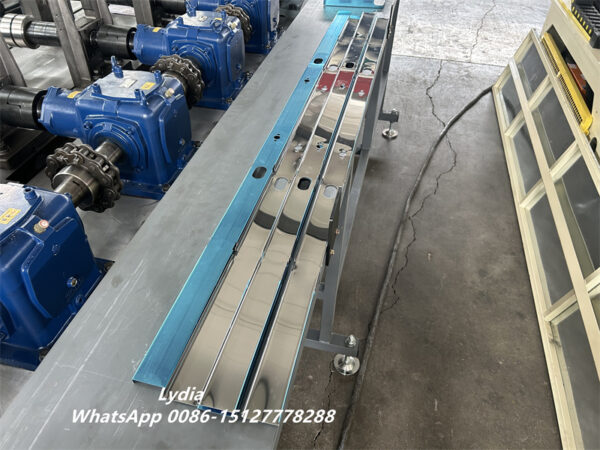
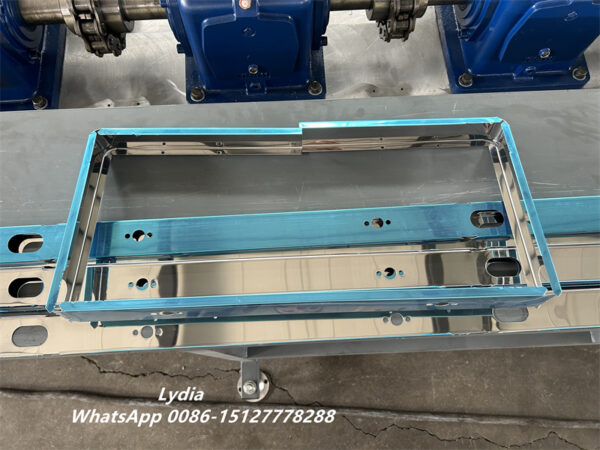
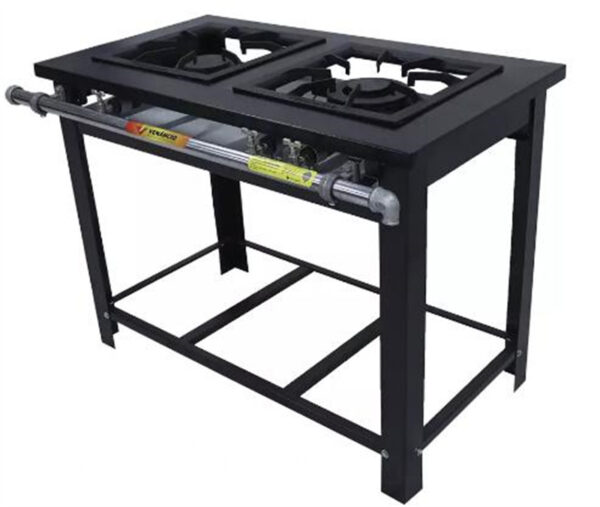
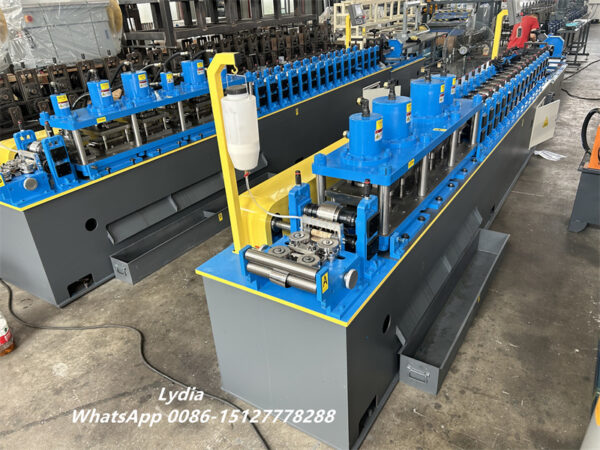
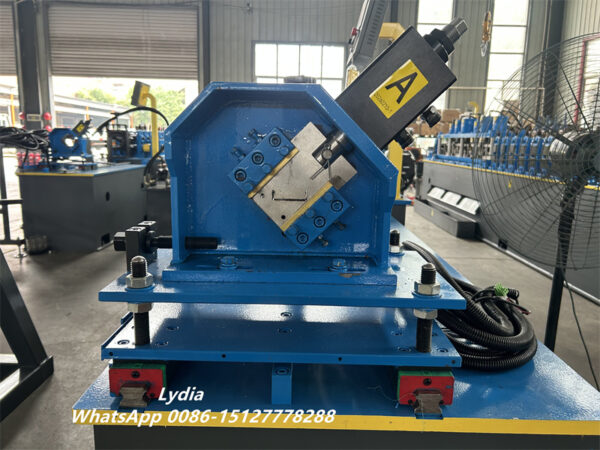
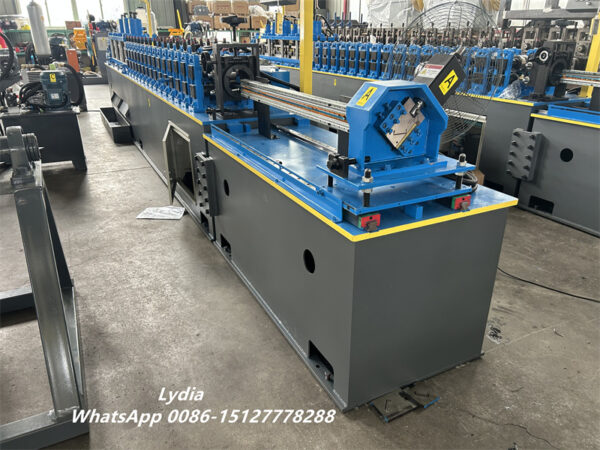
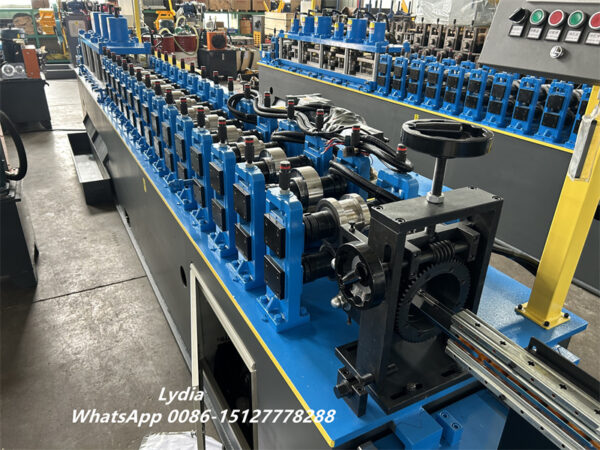
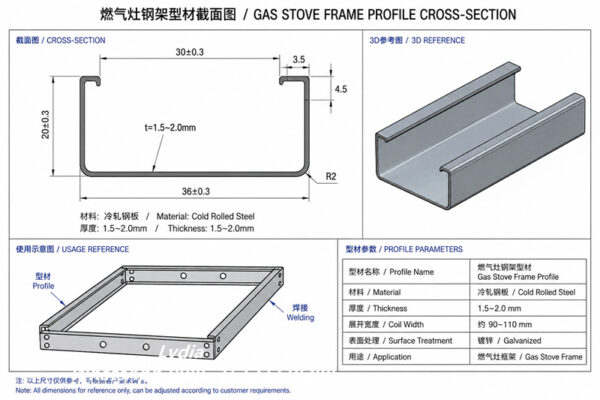
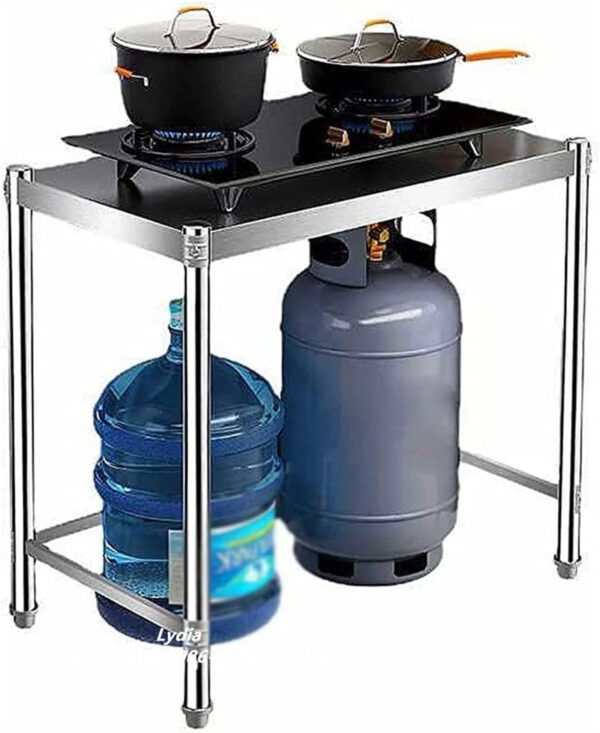
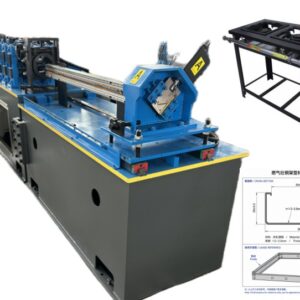
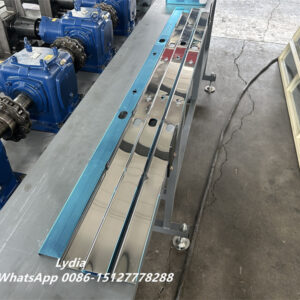
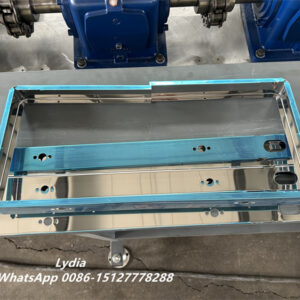
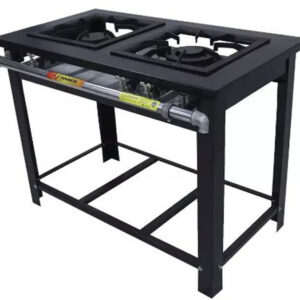
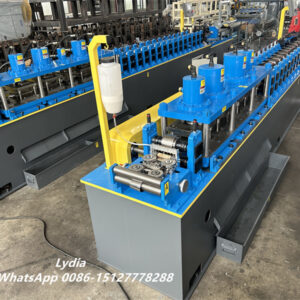
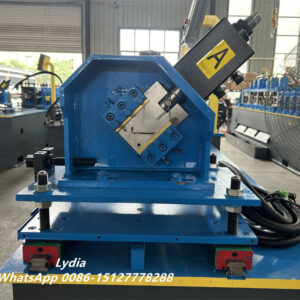
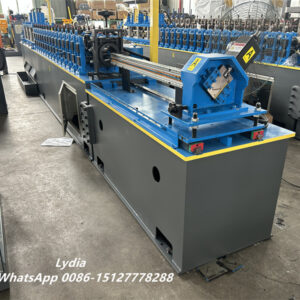
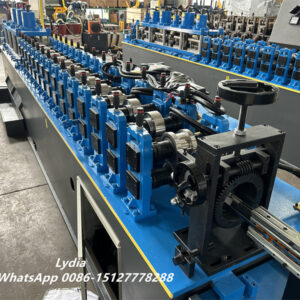
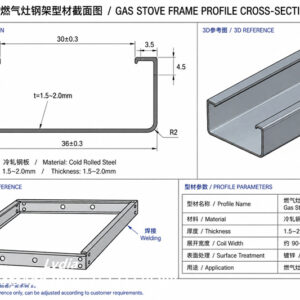
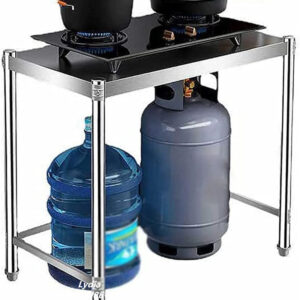

As the demand for modern kitchen appliances continues to grow, manufacturers are seeking faster, more efficient, and highly automated production methods. The Gas Stove Frame Roll Forming Machine, also known as a Gas Stove Steel Frame Making Machine or Steel Frame Roll Forming Machine, is designed to produce high-precision stainless steel and galvanized steel frames for gas stoves, induction cookers, cooktops, and other kitchen appliances.
Compared with traditional stamping and manual fabrication methods, roll forming technology provides continuous production, higher efficiency, lower labor costs, and superior product consistency.
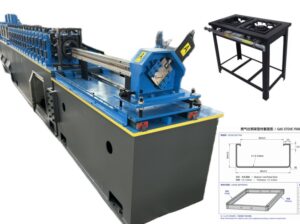
What Is a Gas Stove Frame Roll Forming Machine?
A Gas Stove Frame Roll Forming Machine is an automated production system that continuously transforms metal coils into finished appliance frames through a series of forming rollers, punching stations, cutting devices, and optional frame assembly systems.
The machine can produce various frame profiles used in:
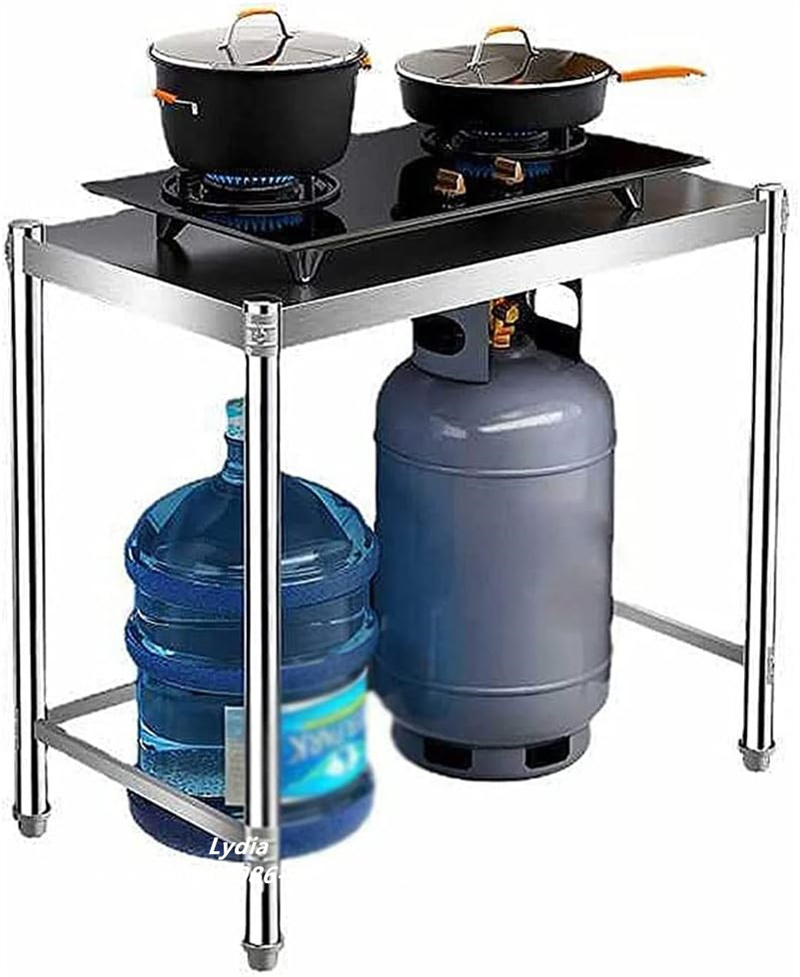
- Gas stove frames
- Induction cooker frames
- Built-in cooktop frames
- Kitchen appliance support structures
- Stainless steel appliance housings
- Commercial cooking equipment frames
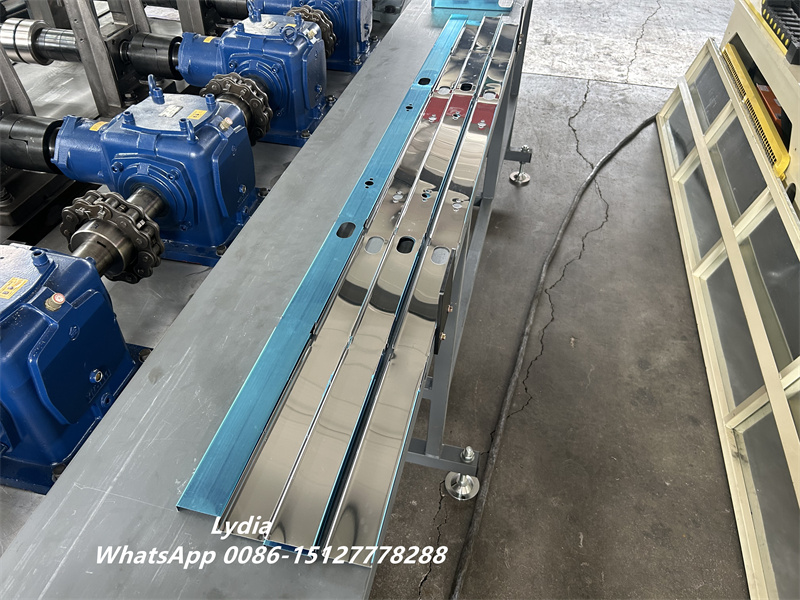
The finished products feature excellent dimensional accuracy, attractive surface quality, and strong structural performance.
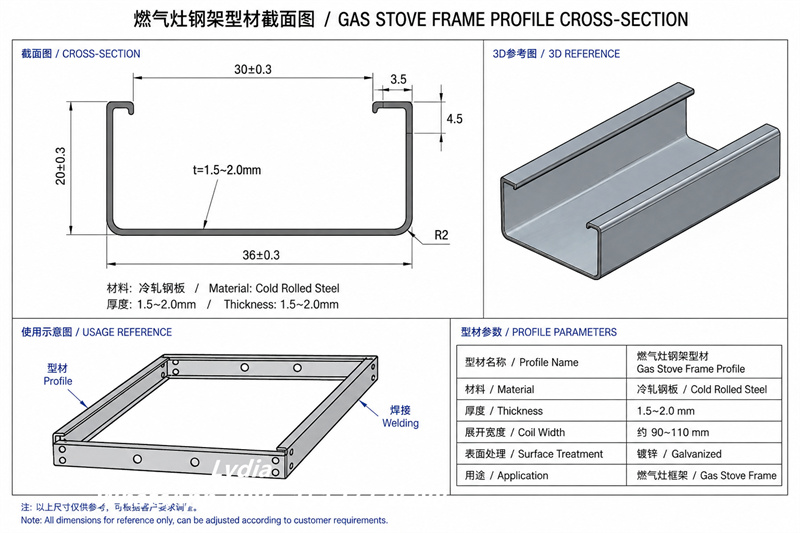
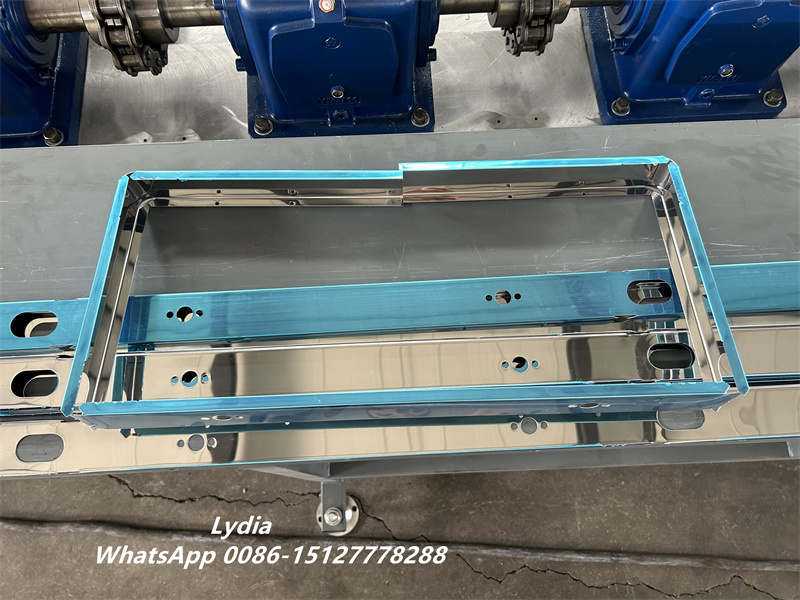
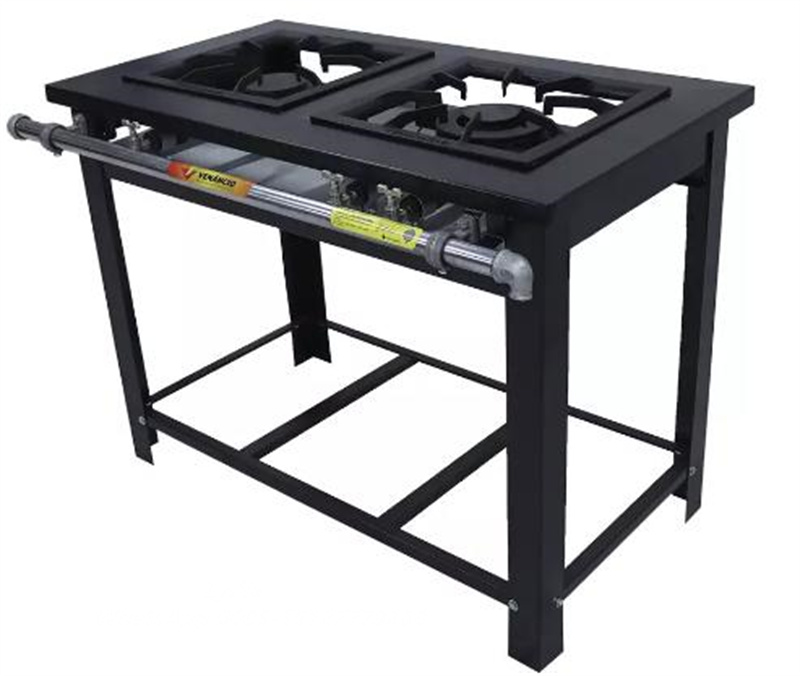
Main Components of the Production Line
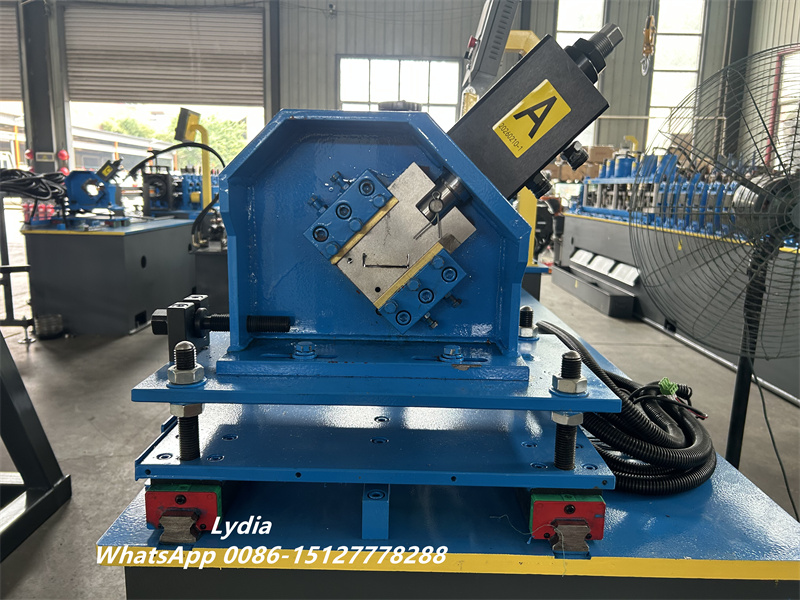
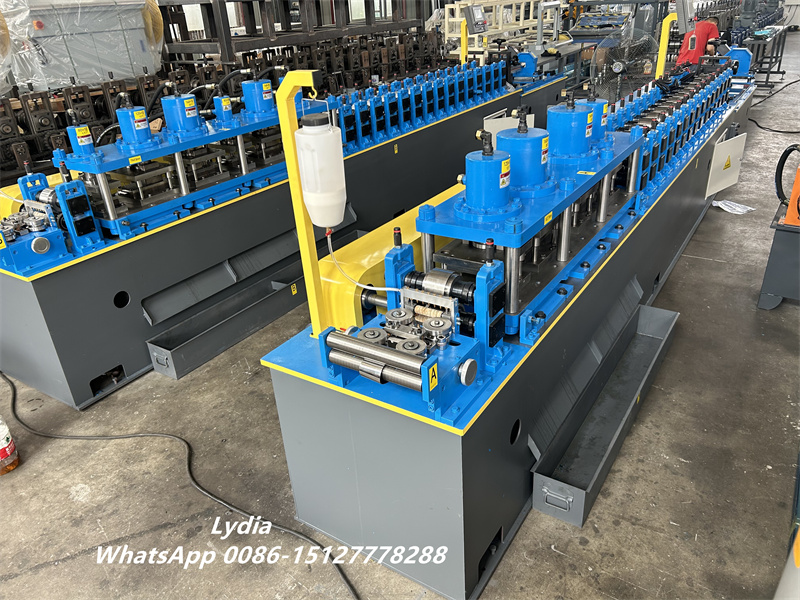
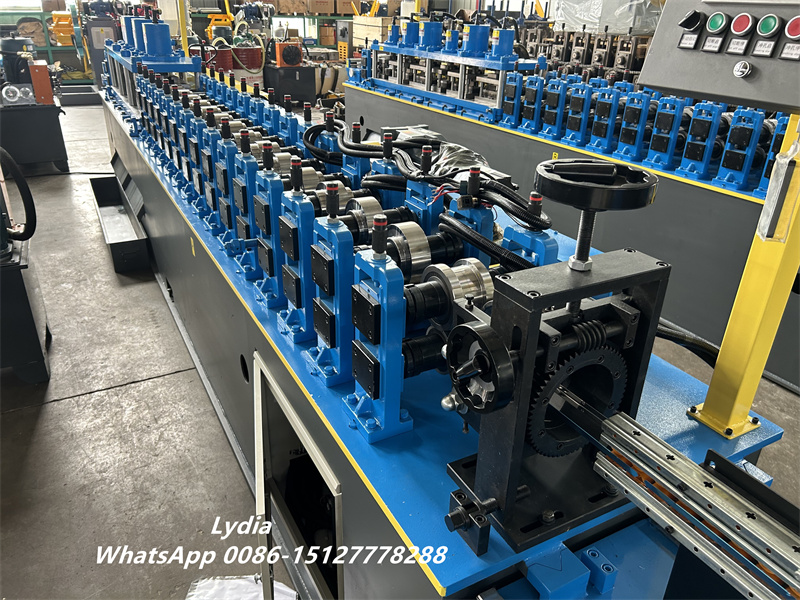
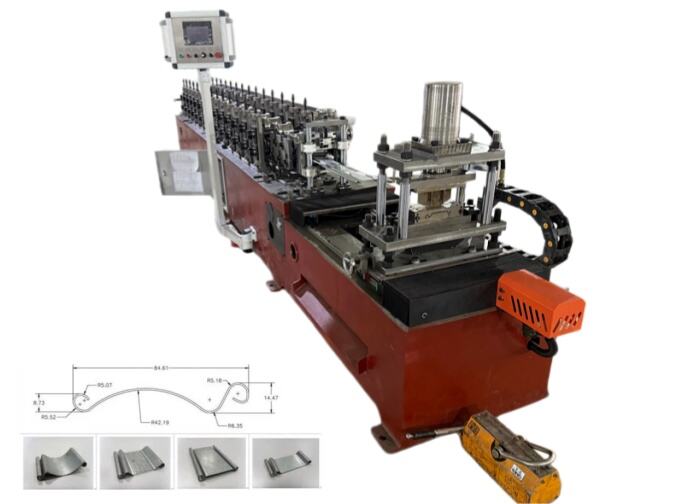
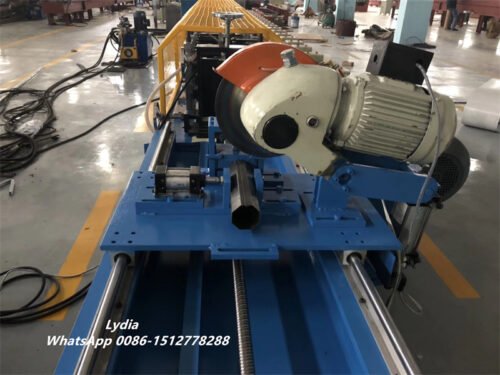
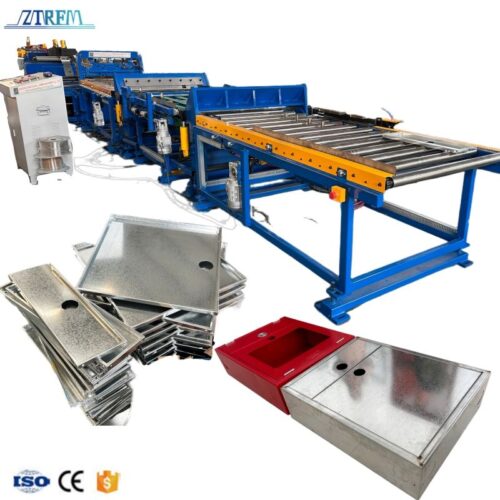
A complete Steel Frame Roll Forming Machine typically consists of a Hydraulic Decoiler, Servo Feeding System, Hydraulic Punching Unit, Roll Forming Machine, Hydraulic Cutting System, optional Frame Bending & Corner Forming Unit, and a fully automated PLC Control System. The production process starts with automatic coil unwinding, followed by precise servo feeding and hydraulic punching for holes and slots. The material then passes through multiple roll forming stations where it is gradually shaped into the required frame profile. After forming, the profile is cut to length with high accuracy by the hydraulic cutting system. For rectangular or customized appliance frames, an optional bending and corner-forming unit can automatically complete the frame assembly. The entire line is controlled by an intelligent PLC system that enables recipe storage, production monitoring, fault diagnostics, and stable high-speed operation, ensuring efficient and consistent manufacturing of gas stove, induction cooker, and kitchen appliance frames.
Typical Technical Specifications
| Item | Specification |
|---|---|
| Material Type | Stainless Steel (SUS201/SUS304), Galvanized Steel (SGCC), Cold Rolled Steel (SPCC), Aluminum |
| Material Thickness | 0.4 – 1.5 mm |
| Coil Width | 50 – 500 mm |
| Forming Stations | 12 – 20 Stations |
| Forming Speed | 10 – 30 m/min |
| Punching System | Hydraulic or Servo Punching |
| Cutting Type | Hydraulic Flying Cut |
| Control System | PLC + Touch Screen |
| Drive Method | Gearbox or Chain Drive |
| Voltage | Customized According to Country Requirements |
| Frame Shape | Rectangular, Square, Customized Profiles |
Applications of Steel Frame Roll Forming Machines
Gas Stove Manufacturing
Production of outer support frames and structural reinforcement components for household gas stoves.
Induction Cooker Production
Manufacturing precision stainless steel frames used in induction cookers and electric cooktops.
Built-in Kitchen Hobs
Producing decorative and structural frames for modern built-in cooking appliances.
Commercial Cooking Equipment
Suitable for restaurant stoves, commercial burners, and industrial kitchen equipment.
Home Appliance Industry
Applicable for refrigerators, ovens, washing machines, and other appliance frame components.
Advantages Over Traditional Stamping
| Traditional Stamping | Roll Forming Technology |
|---|---|
| High labor requirements | Fully automated production |
| Multiple processing steps | Continuous manufacturing |
| Lower production speed | High-speed operation |
| Frequent tooling changes | Flexible profile adjustment |
| Higher scrap rate | Better material utilization |
| Inconsistent quality | Stable dimensional accuracy |
Key Features of the Gas Stove Steel Frame Making Machine
Fully Automated Production
The entire process from decoiling to finished frame production is automated, minimizing labor requirements and improving productivity.
High Production Efficiency
Production speed can be 5–8 times higher than traditional stamping methods, significantly reducing manufacturing costs.
Integrated Manufacturing Process
The machine can combine:
- Punching
- Forming
- Cutting
- Corner bending
- Frame assembly
into a single production line.
Excellent Forming Accuracy
Advanced PLC and servo systems ensure:
- Stable dimensions
- Consistent frame geometry
- Accurate hole positioning
- High repeatability
Flexible Customization
Custom roll tooling can be designed to accommodate:
- Different frame sizes
- Multi-fold edge structures
- Decorative borders
- Special appliance frame profiles
Why Choose ZTRFM Gas Stove Frame Roll Forming Machine?
At ZTRFM, we specialize in designing and manufacturing customized Gas Stove Frame Roll Forming Machines, Gas Stoves Steel Frame Making Machines, and Steel Formwork Frame Roll Forming Machines for customers worldwide.
Our solutions offer:
✔ Customized profile design
✔ High-speed production
✔ Precision punching and forming
✔ PLC intelligent control
✔ Global technical support
✔ Installation and training services
✔ CE-certified manufacturing standards
Whether you are producing household gas stoves, induction cookers, or commercial cooking equipment, ZTRFM can provide a complete roll forming solution tailored to your production requirements.
The Gas Stove Frame Roll Forming Machine is an ideal solution for manufacturers seeking efficient, automated, and high-quality production of appliance frames. By integrating punching, forming, cutting, and frame assembly into one continuous process, the system significantly improves productivity while maintaining excellent product consistency.
As kitchen appliance markets continue to expand globally, investing in an advanced Gas Stoves Steel Frame Making Machine can help manufacturers increase competitiveness, reduce production costs, and achieve long-term growth.


Reviews
There are no reviews yet.