

Metal roofing has become a popular choice in modern construction because it offers long service life, durability, and excellent weather resistance. Compared with traditional roofing materials such as composite shingles, metal roofs provide stronger protection against wind, rain, and extreme climate conditions. However, a complete metal roof system requires more than just roofing panels. Flashing components play a critical role in sealing roof joints and directing water away from sensitive areas.
Therefore, flashing components must be precisely manufactured to ensure proper installation and reliable performance. A Metal Roof Flashing Machine is specifically designed to produce these important metal trim parts efficiently and consistently.
What Is a Flashing Machine?
A flashing machine is a specialized roll-forming system used to manufacture various types of metal flashing components for roofing and building structures. These components guide rainwater away from joints, roof edges, and wall intersections. As a result, they prevent water infiltration and protect the building from structural damage.
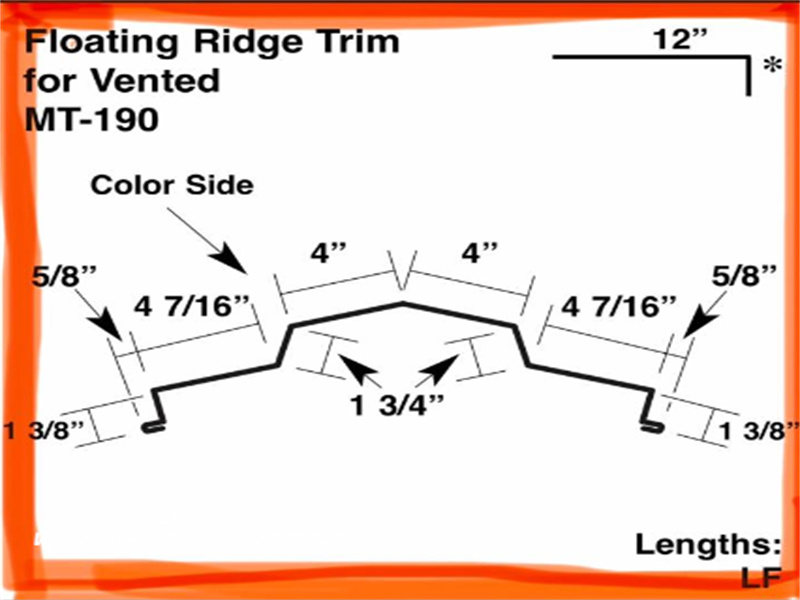
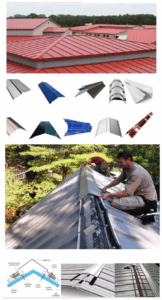
In addition, flashing is commonly installed after roof panels and trims are placed. The flashing works together with ridge caps and other accessories to create a fully sealed roofing system. For example, a continuous ridge vent is usually concealed under the metal ridge cap to provide ventilation while maintaining waterproof protection.
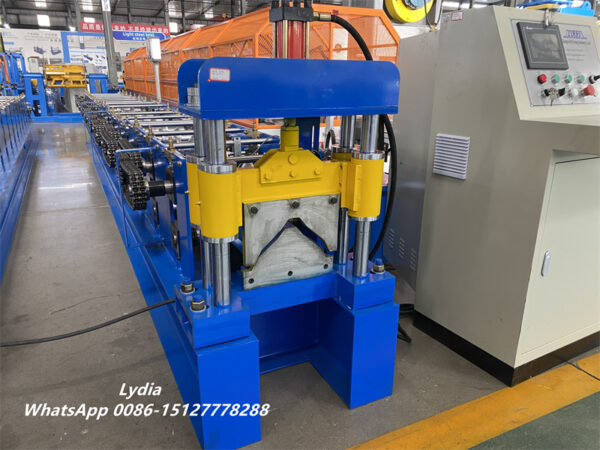
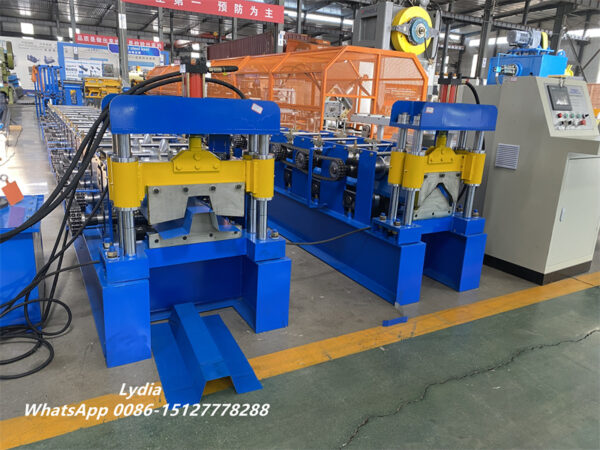
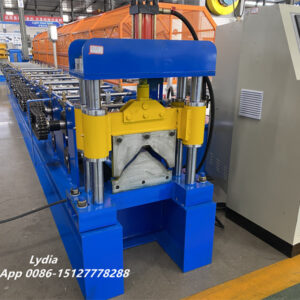
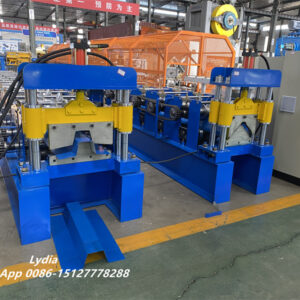
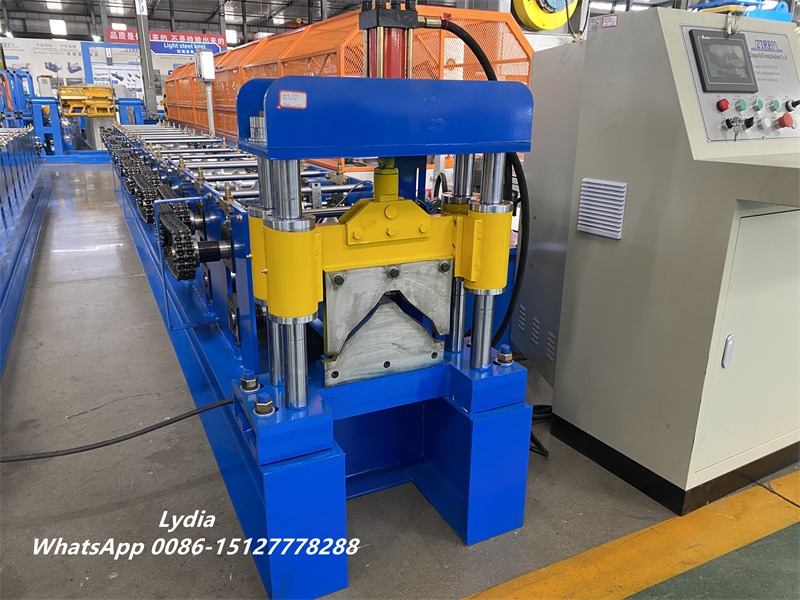
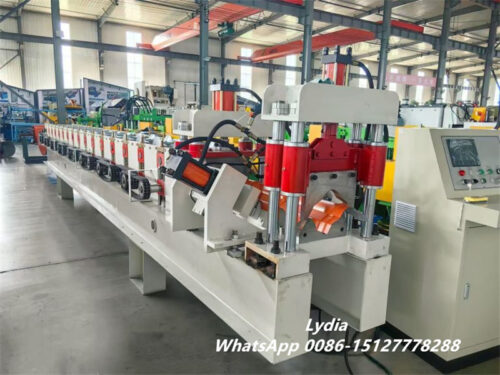
Metal Roof Flashing Roll Forming Machine
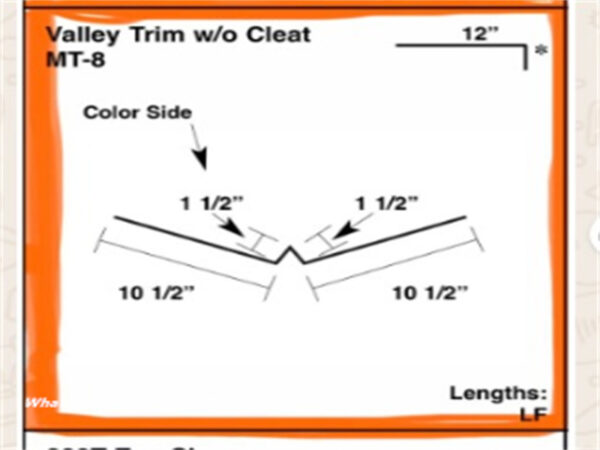
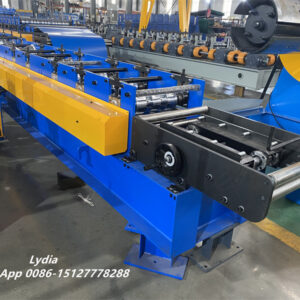
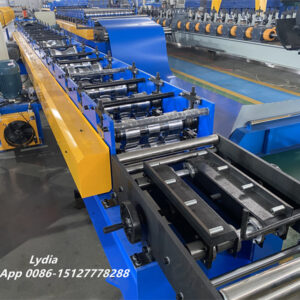
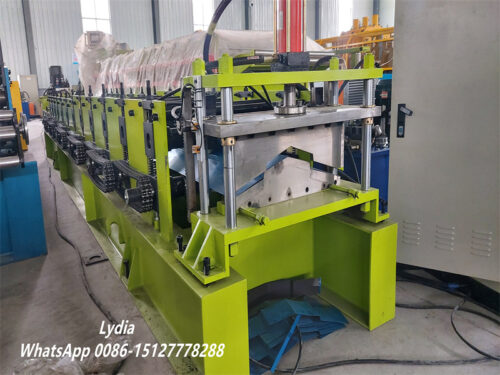
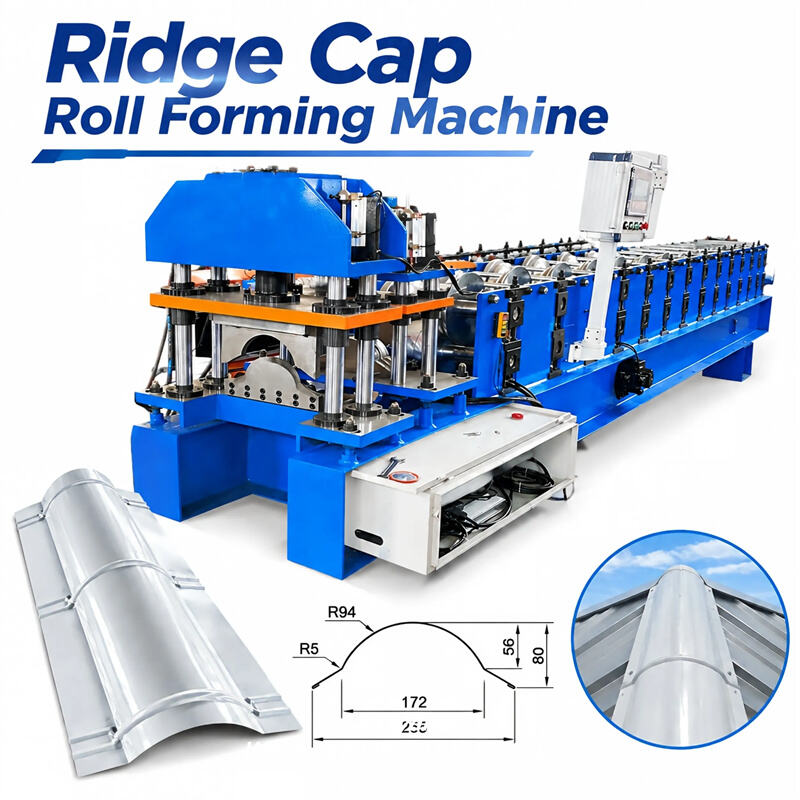
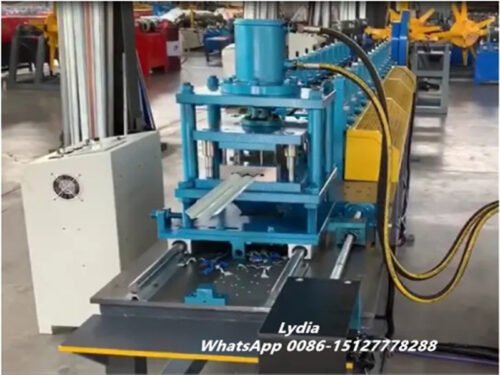
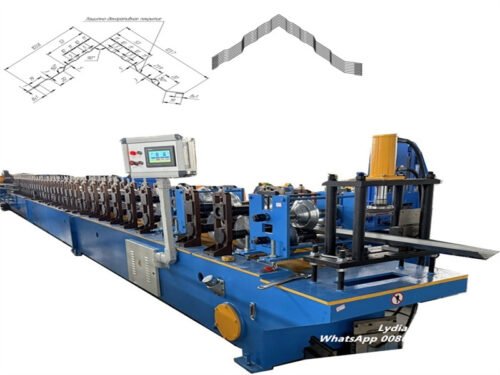
The metal roof flashing roll forming machine produces roofing trims such as ridge caps, valleys, and edge flashing with high precision. The machine forms metal coils into specific profiles through a series of rollers, ensuring consistent dimensions and smooth surface quality.
Furthermore, the machine supports customized designs according to customer drawings or project requirements. Manufacturers can adjust the tooling to produce different flashing shapes used in residential, commercial, and industrial roofing systems.
Because of its automated forming and cutting process, the machine greatly improves production efficiency while reducing labor costs.
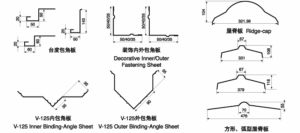
Types of Metal Trim Profiles
A trim and flashing roll forming machine can manufacture a wide variety of metal panel trims used in roofing and wall systems. These profiles ensure proper sealing and aesthetic finishing of the building.
Common trim profiles include:
- Base Trim
- Box Rake Trim
- Double Angle Trim
- End Wall Trim
- High Side Eave Trim
- House Rake Trim
- J-Trim
- Jamb Trim
- Long Eave Trim
- Rake Trim
- Rat Guard Trim
- Short Eave Trim
- Side Wall Trim
- Skylight Trim
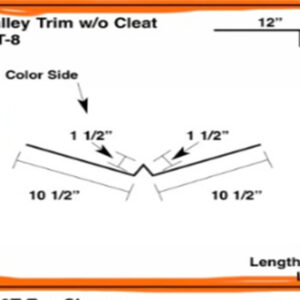
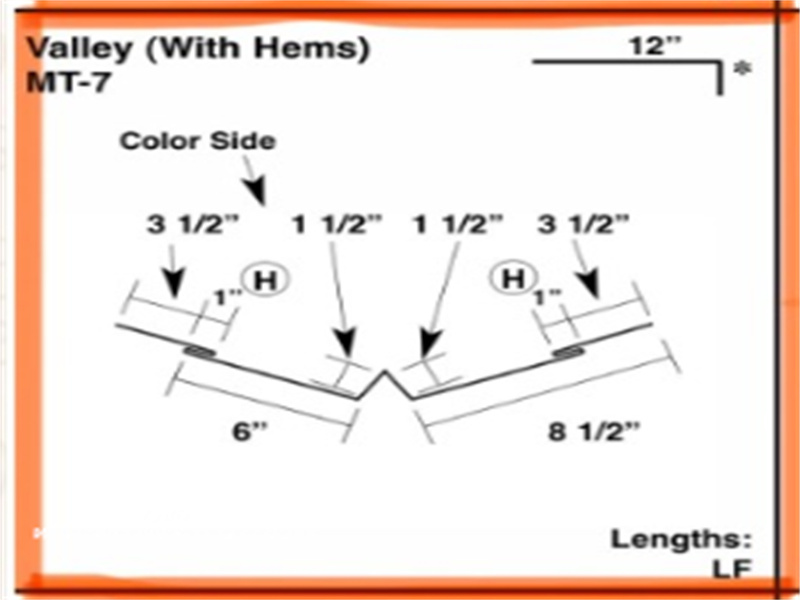
- Wide Valley Trim
- Drip Edge Flashing
- Ridge Cap Trim
Because different buildings require different flashing structures, the machine can be designed to produce one or multiple profiles.
Drip Edge Flashing Roll Forming Machine
A drip edge flashing roll forming machine produces drip edge components that protect the roof edges. These metal pieces guide rainwater away from the fascia and roof deck. Consequently, they prevent water from penetrating the roof structure and reduce the risk of long-term damage.
Drip edge flashing is widely used in both residential and commercial buildings. It improves drainage performance while also extending the lifespan of roofing systems.
Metal flashing machines are widely used in several industries.
Roofing Industry
Manufacturers produce ridge caps, valleys, and drip edges for metal roofing systems.
Construction Industry
Contractors fabricate custom flashing parts for walls, roof connections, and structural joints.
Steel Structure Manufacturing
Factories create trim components for prefabricated steel buildings and metal panel systems.
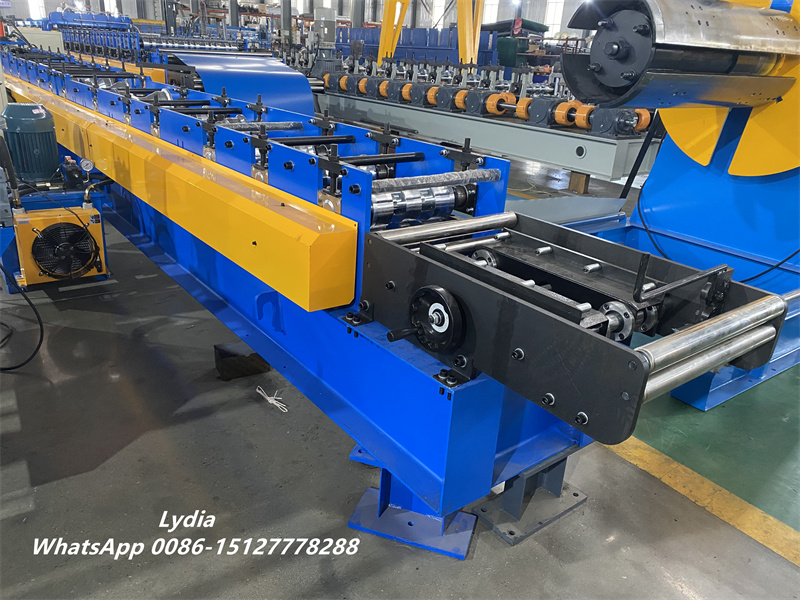
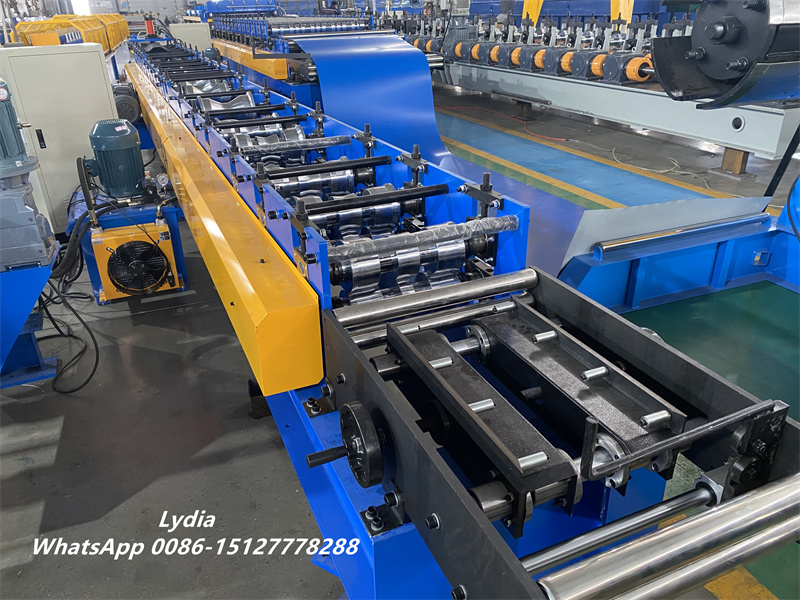
Machine Working Process
The production process of a flashing roll forming machine is simple and efficient.
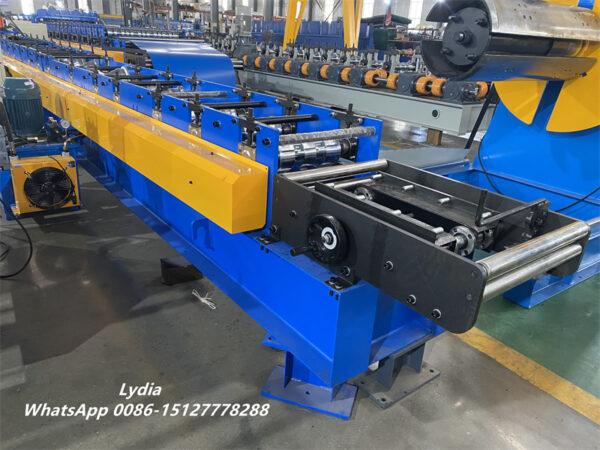
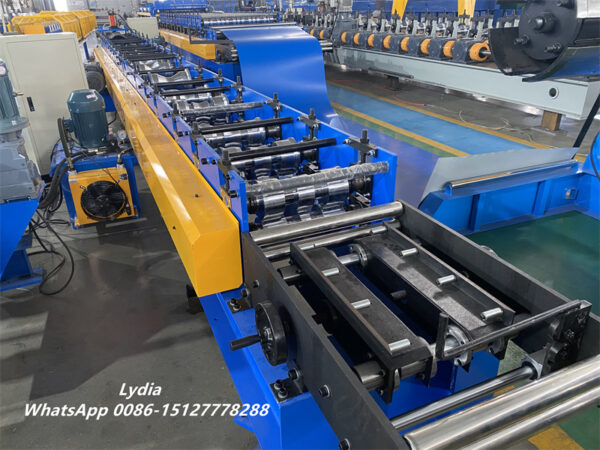
Uncoiling → Feeding → Roll Forming → Hydraulic Cutting → Product Receiving
First, the decoiler holds the metal coil and releases the material smoothly. Then the feeding device guides the sheet into the roll forming section. After passing through multiple forming stations, the sheet gradually shapes into the required flashing profile. Finally, the hydraulic cutting system cuts the finished product to the preset length.
Main Technical Features
The flashing roll forming machine usually processes galvanized steel, pre-painted steel, aluminum, or galvalume materials. Typical material thickness ranges from 0.30 mm to 0.60 mm, depending on the flashing design.
The roll forming system often includes around 13 forming stations, ensuring smooth shaping and stable product quality. The machine operates at a production speed of up to 15 meters per minute, which significantly increases production efficiency.
In addition, the machine uses high-strength 45# steel rollers with chrome treatment to enhance durability and corrosion resistance. The PLC control system allows operators to adjust cutting length, production quantity, and speed through a user-friendly touch screen interface.
FAQ
1. What trim profiles can this machine produce?
The machine can manufacture various profiles including ridge cap, drip edge, corner trim, fascia trim, Z-trim, J-trim, rake trim, and valley trim. Custom designs are also available according to customer drawings.
2. What materials can be used for this machine?
The machine can process galvanized steel, galvalume steel, pre-painted steel, aluminum, and stainless steel.
3. What is the production speed?
The typical production speed ranges from 10 to 25 meters per minute, depending on the profile complexity and machine configuration.
4. Can the machine produce different trim sizes?
Yes. Operators can adjust the rollers and tooling to manufacture different sizes and angles of metal flashing components.
Metal flashing components are essential for ensuring the durability and waterproof performance of roofing systems. Therefore, investing in a reliable Metal Roof Flashing Roll Forming Machine allows manufacturers to produce high-quality roofing trims efficiently and consistently.
With automated production, flexible profile design, and stable performance, the flashing machine provides an ideal solution for roofing manufacturers, construction companies, and steel building suppliers.




Reviews
There are no reviews yet.