
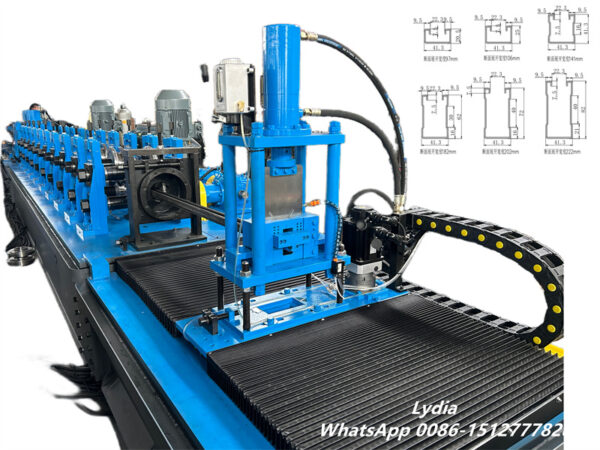
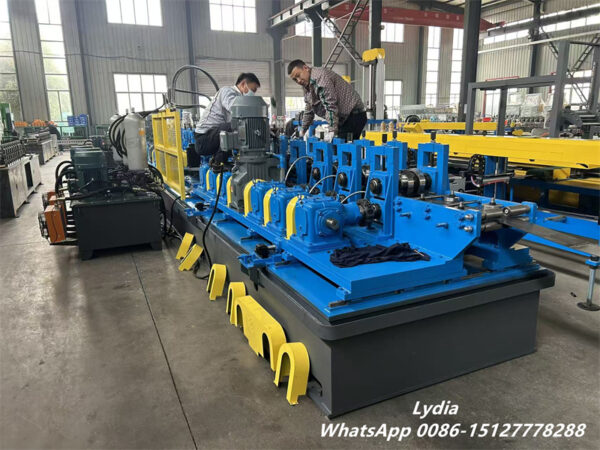
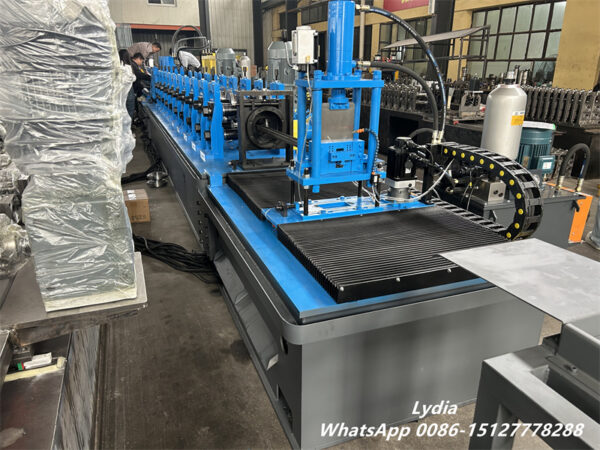
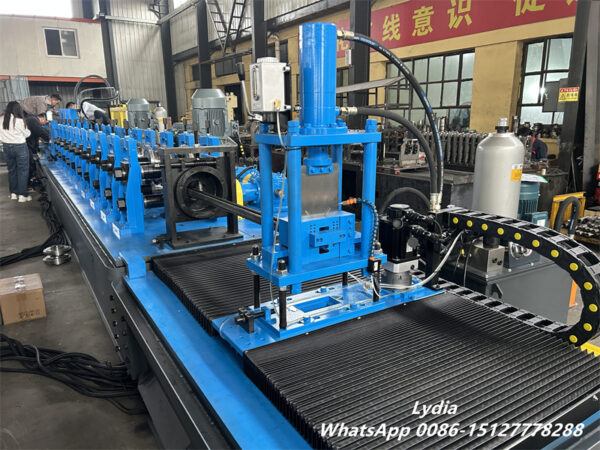
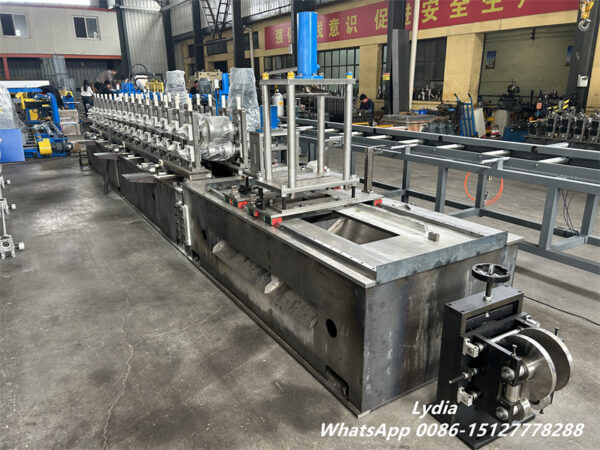
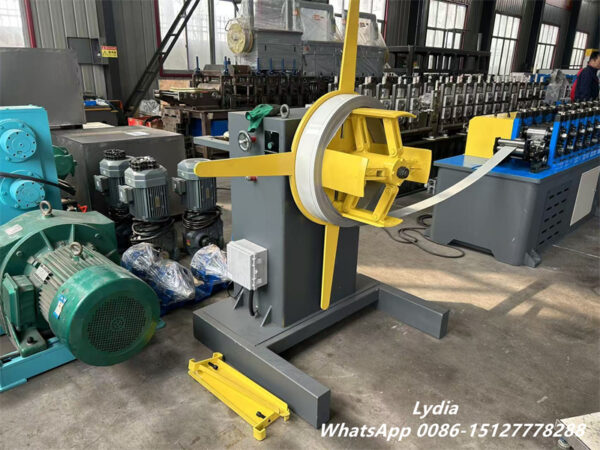
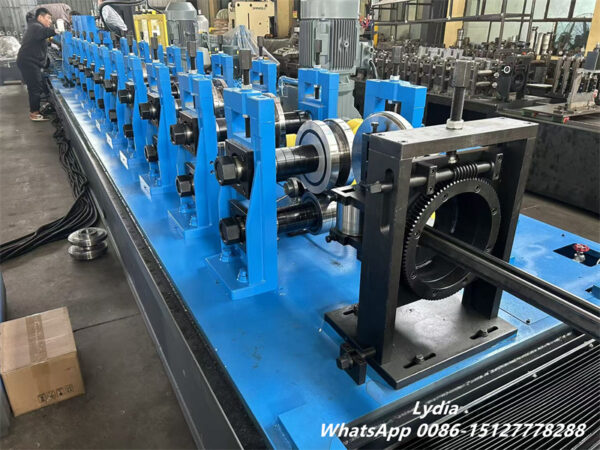
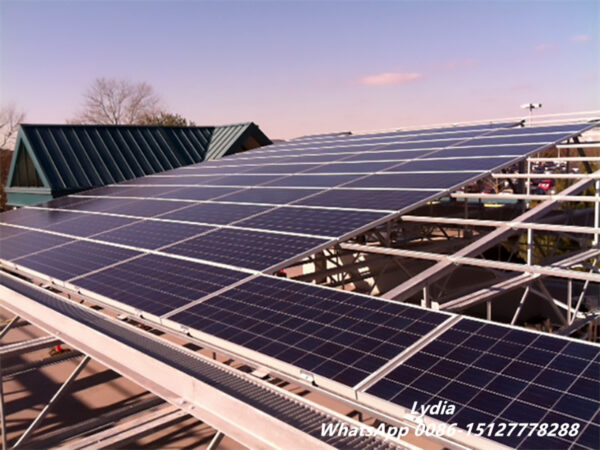
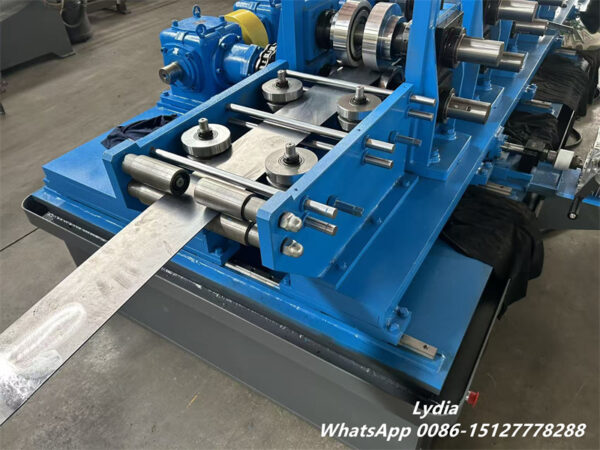
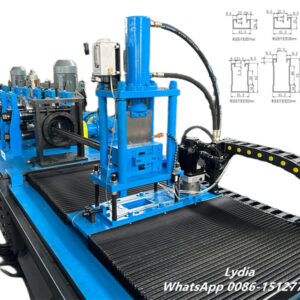
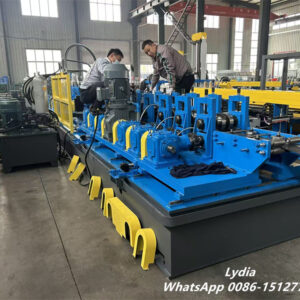
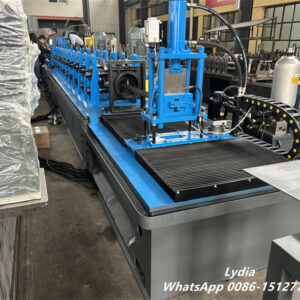
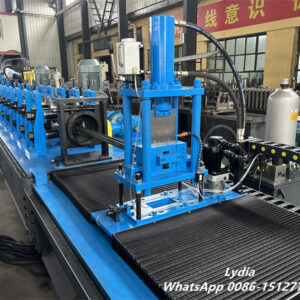
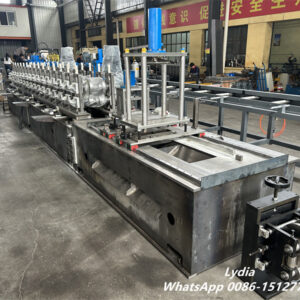
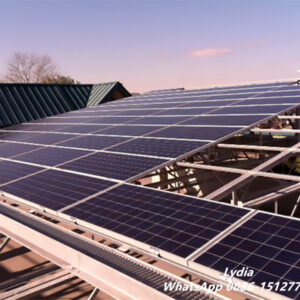
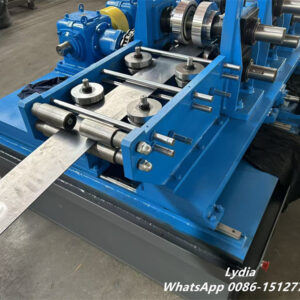

In photovoltaic mounting system manufacturing, the real focus is the precision and durability of the support structure rather than the panels themselves. ZTRFM develops solar strut channel roll forming machines specifically for photovoltaic bracket production, ensuring accurate punching, stable forming, and consistent output. By integrating forming and punching into one continuous process, the machine enables manufacturers to produce ready-to-install channels, significantly improving efficiency and reducing secondary processing.
Engineered for Solar Mounting Structures
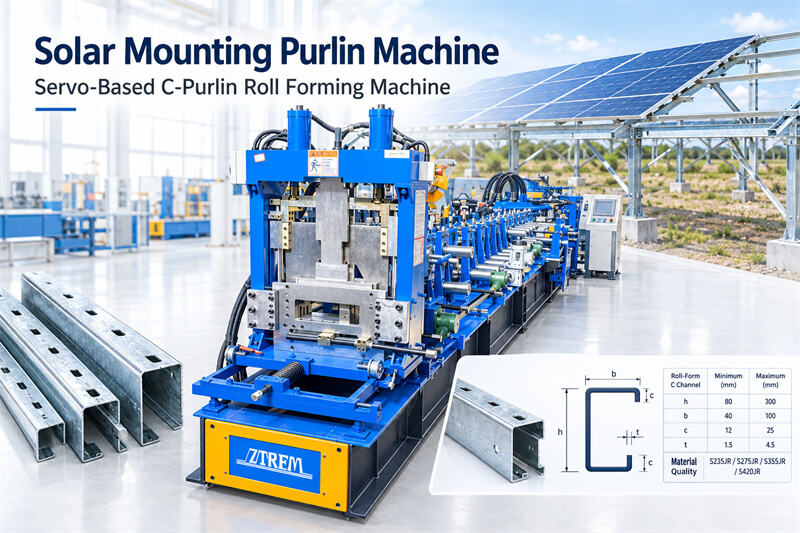
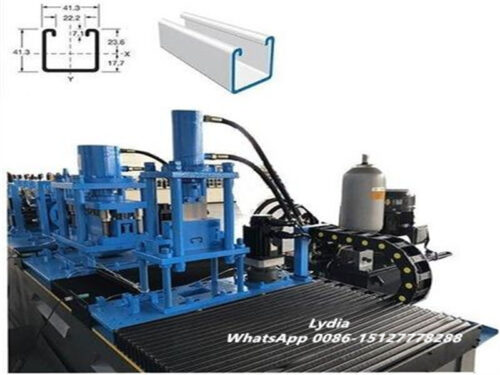
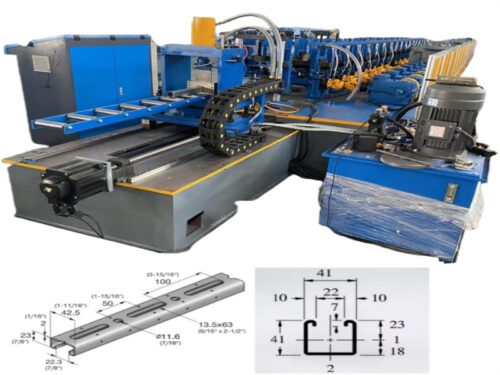
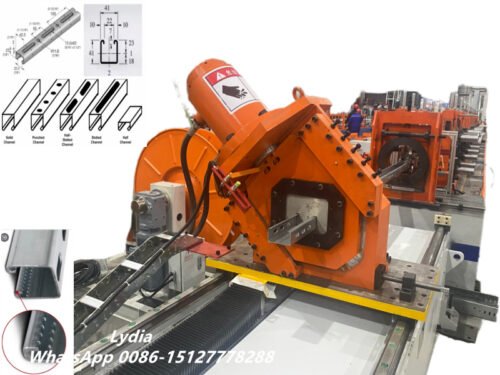
ZTRFM equipment is designed based on the actual structural requirements of solar mounting systems, especially for U-shaped and slotted strut channels widely used in photovoltaic brackets. During production, the servo punching system works in synchronization with roll forming, which ensures that hole positions match installation standards without deviation. At the same time, the machine supports galvanized steel and high-strength materials, making the finished products suitable for outdoor environments where corrosion resistance and structural stability are essential.
Application in Photovoltaic Bracket Systems
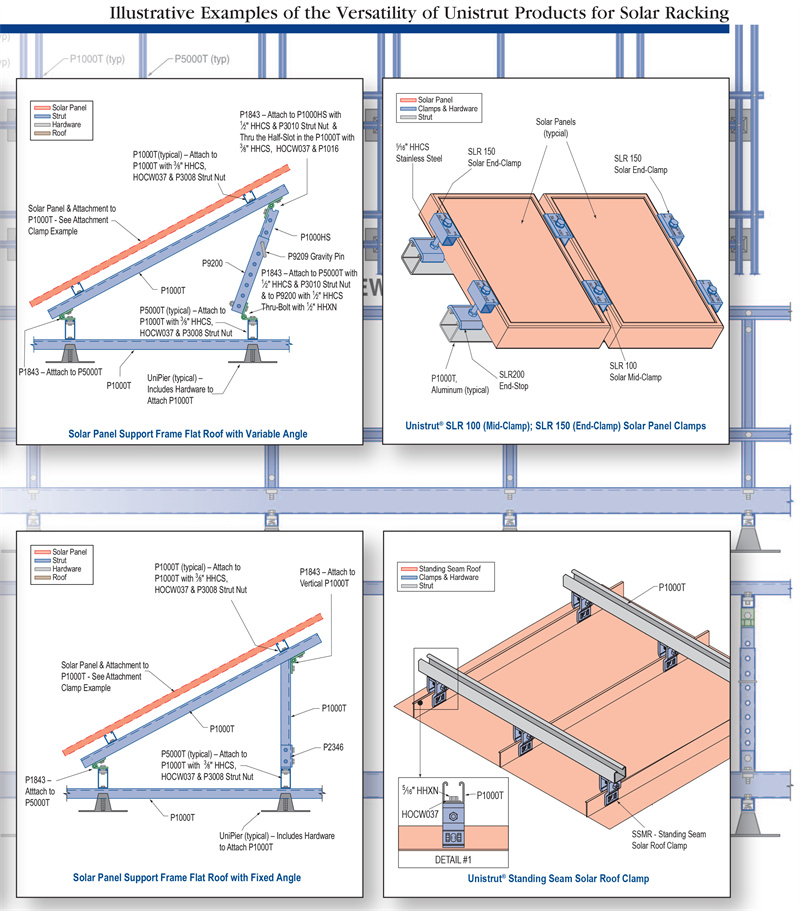
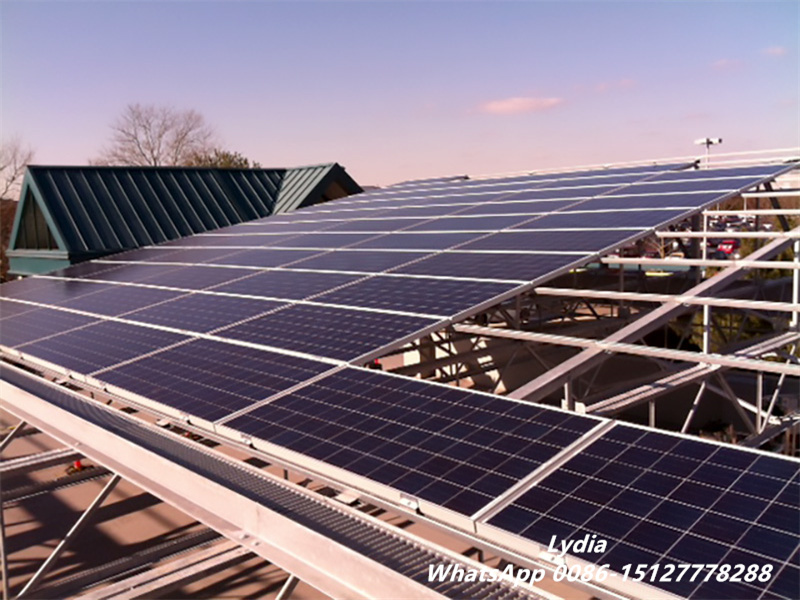
The finished strut channels are widely used in ground-mounted solar systems, flat roof installations, adjustable tilt structures, and large-scale commercial photovoltaic projects. Because the channels are pre-punched and precisely formed, installation on-site becomes faster and more standardized. This not only reduces labor intensity but also improves installation accuracy, which is crucial for maintaining the structural integrity of solar arrays over time.
Technical Capability and Production Range
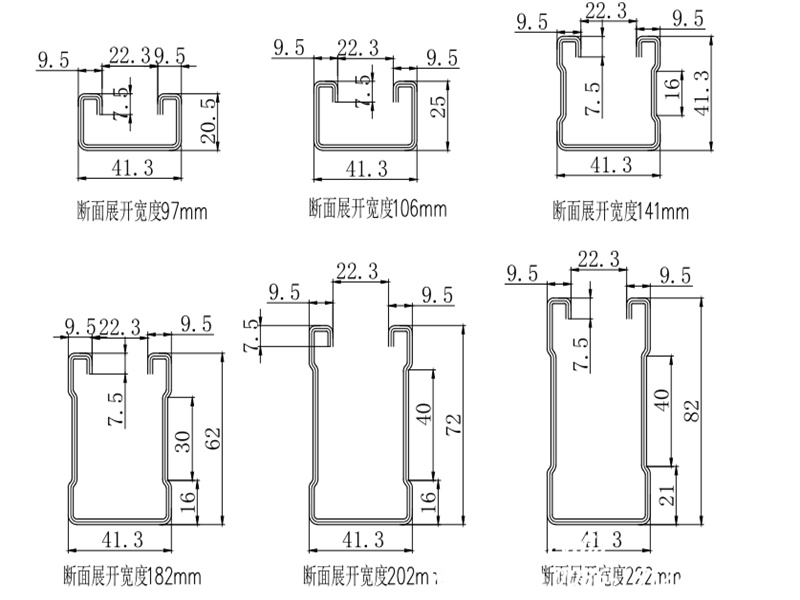
The machine is capable of processing strip steel with thicknesses ranging from 1.5 mm to 3.0 mm and feeding widths between 100 mm and 300 mm, covering most photovoltaic bracket specifications on the market. Common profile sizes such as 41×41 mm, 41×52 mm, 41×62 mm, and 41×72 mm can be produced with high consistency. With a production speed of up to 25 meters per minute, the system ensures both efficiency and precision, while maintaining tight tolerances in length, straightness, and angle, which are critical for subsequent installation.
| Item | Specification |
|---|---|
| Material Thickness | 1.5 – 3.0 mm |
| Feeding Width | 100 – 300 mm |
| Production Speed | 0 – 25 m/min |
| Profile Sizes | 41×41 / 41×52 / 41×62 / 41×72 mm |
| Material Type | Q235 / Q345 / Galvanized Steel |
| Length Tolerance | ±2.0 mm / 10 m |
| Straightness | ≤ ±2.0 mm / 1500 mm |
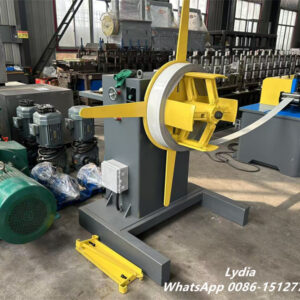
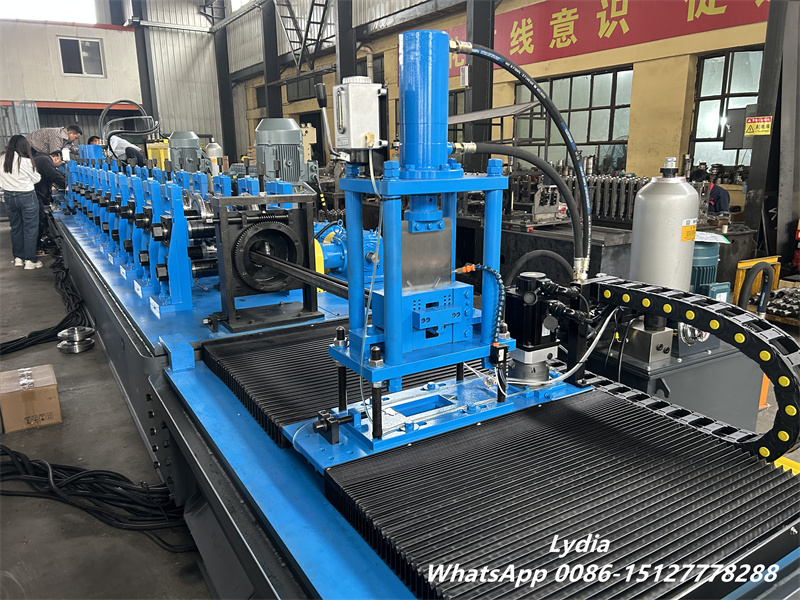
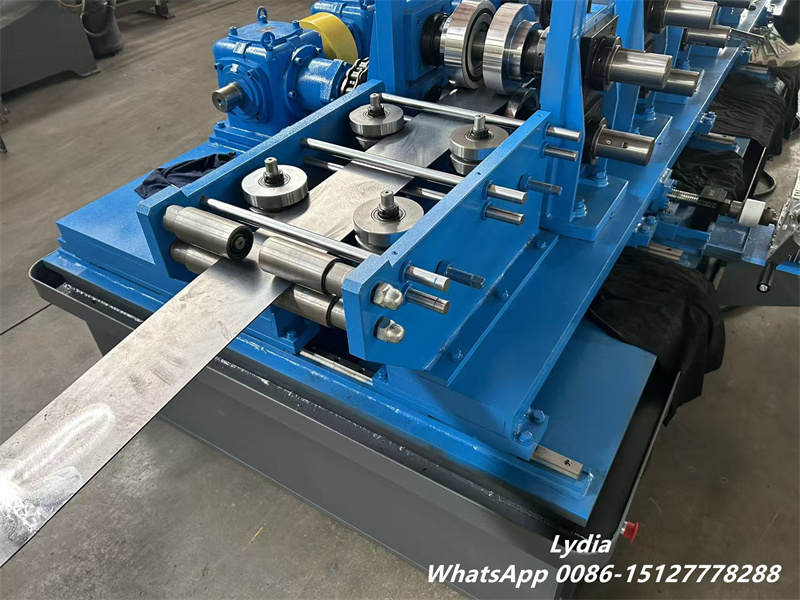
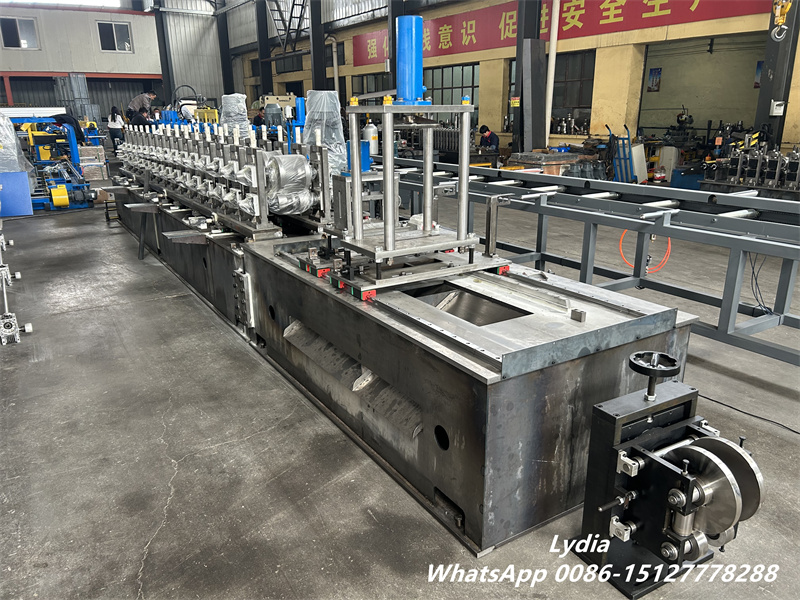
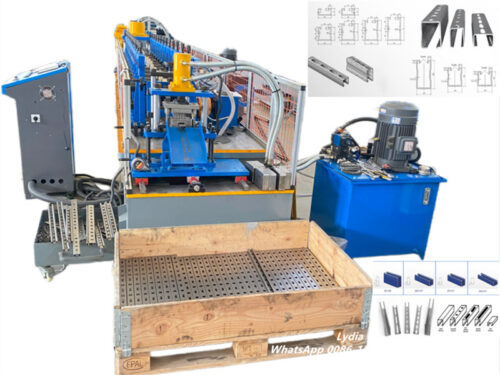
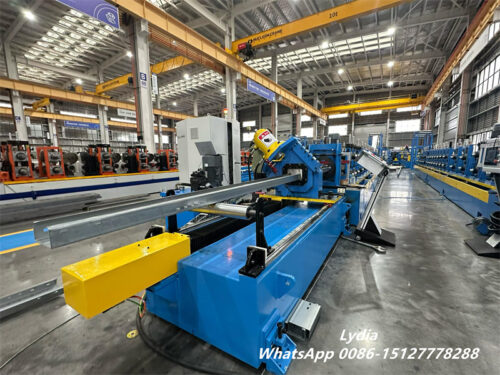
The entire production line follows a continuous and automated workflow, starting from hydraulic decoiling and moving through servo feeding, leveling, high-speed punching, and roll forming, before reaching calibration and servo tracking cutting. This integrated process ensures that each step is synchronized, which is especially important for maintaining punching accuracy relative to the formed profile. As a result, the final products require no additional drilling or correction, allowing them to be directly used in solar mounting assembly.
Equipment Configuration and System Stability
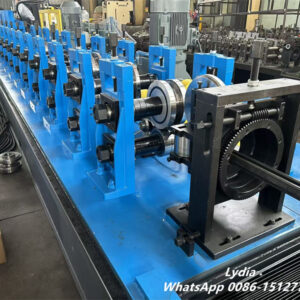
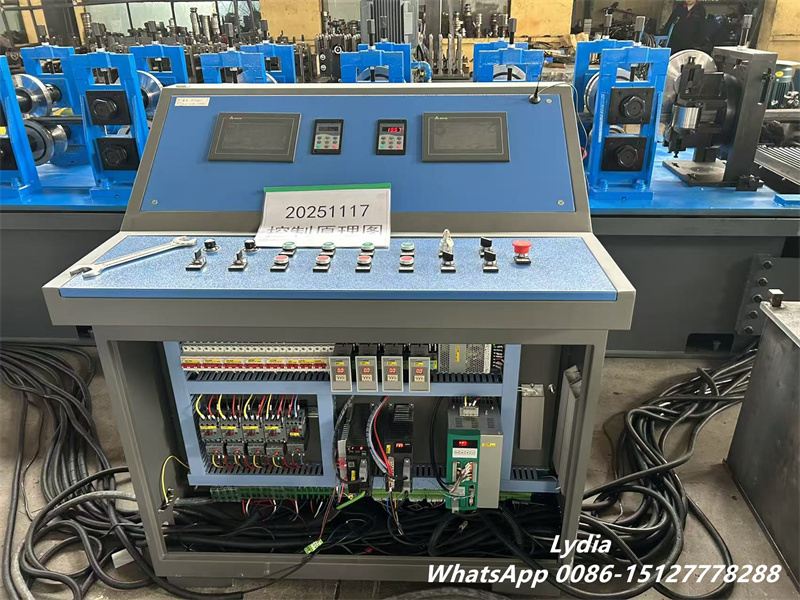
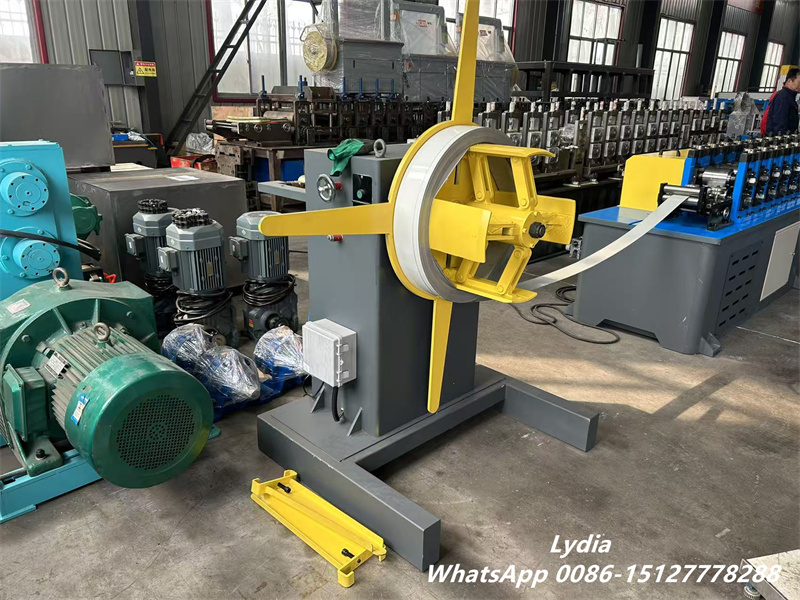
ZTRFM provides a complete production solution that includes a hydraulic decoiler, servo feeder with leveling system, high-speed punching unit, multi-station roll forming machine, servo tracking cutting system, and PLC control cabinet. Each component is designed to operate in coordination, ensuring stable performance even during long production cycles. The forming section adopts a multi-station structure to gradually shape the material, reducing internal stress and preventing deformation, which is essential when working with thicker galvanized steel used in photovoltaic applications.
A Practical Solution for Solar Structure Manufacturing
ZTRFM focuses on delivering practical manufacturing value by combining high-speed production with reliable forming quality. Compared with traditional fabrication methods that require cutting, drilling, and welding, the roll forming solution simplifies the entire workflow and reduces production costs. For manufacturers entering or expanding in the photovoltaic industry, this equipment provides a stable and efficient way to produce high-quality solar mounting components at scale.



Reviews
There are no reviews yet.