
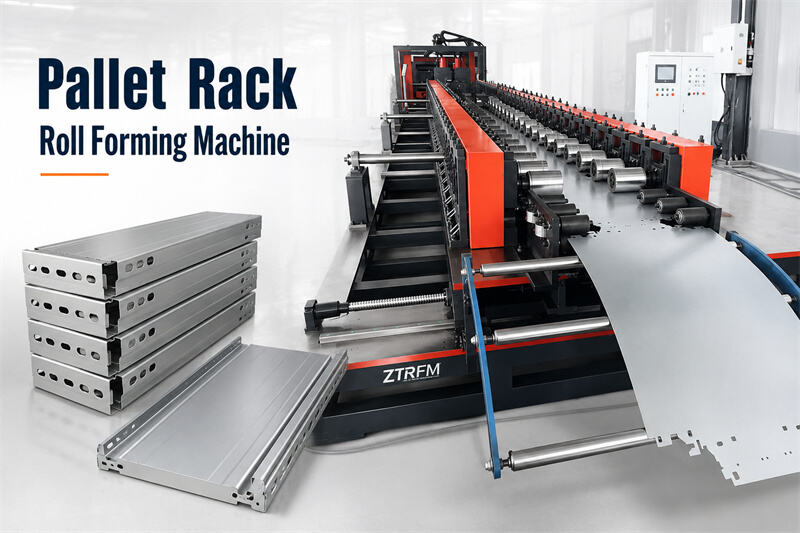

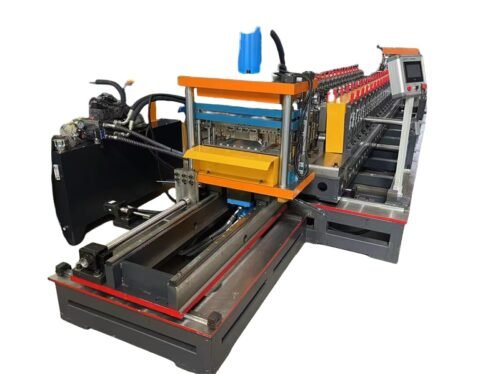
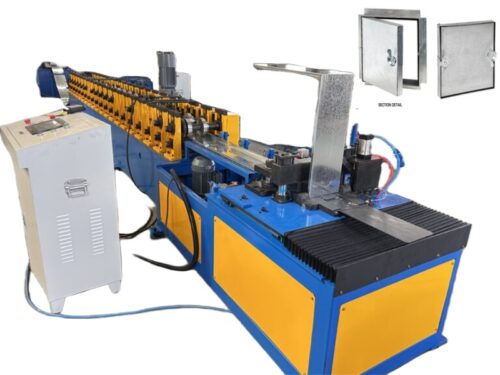
The pallet rack roll forming machine is a fully servo-controlled production line designed for manufacturing steel shelf panels and components used in pallet racking and warehouse storage systems. By integrating decoiling, leveling, pre-punching, servo feeding, roll forming, side-edge bending, shearing, and front and rear edge folding into one continuous line, the machine provides a highly automated solution for high-precision rack component production.The line is suitable for steel materials with a thickness of 0.4–0.7 mm and can produce shelf panels with standard widths of 410 mm, 510 mm, 610 mm, and 710 mm. With a maximum production speed of approximately 5–8 m/min, it provides stable and repeatable performance for manufacturers requiring continuous production of shelf panels.
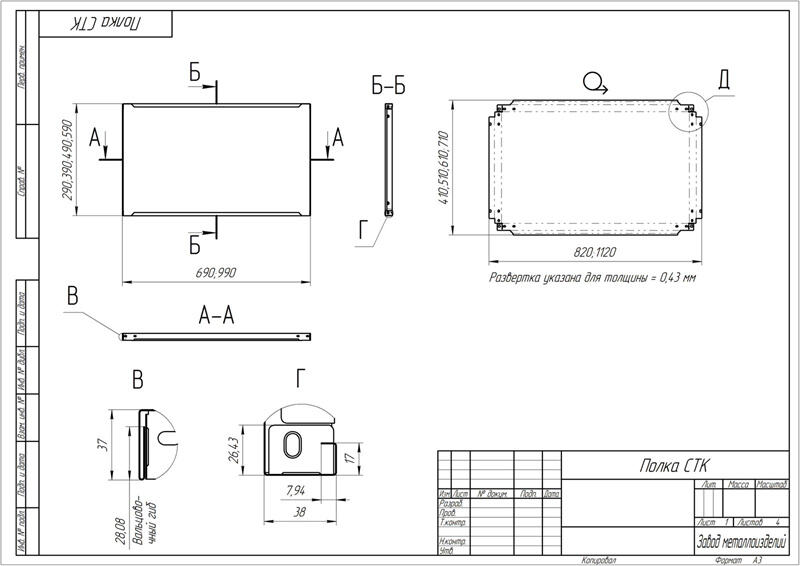
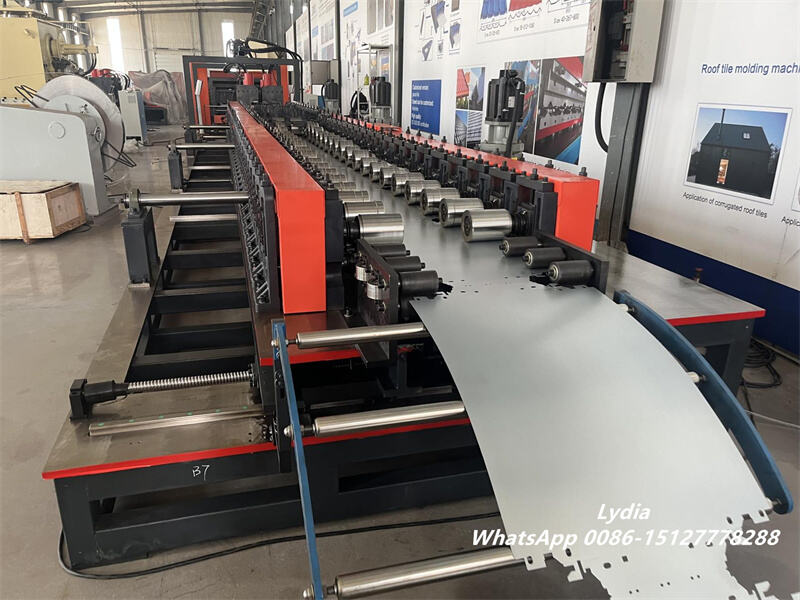
More importantly, the machine uses servo control throughout the critical positioning and forming processes. Therefore, it can achieve more accurate punching, feeding, cutting, and edge folding compared with conventional hydraulic-controlled equipment.
Fully Servo-Controlled Production Line
A major advantage of this pallet racking machine is its integrated servo control system. The production line uses servo motors for material feeding, roll forming, shearing, and flanging, allowing each process to work together with precise positioning.
The complete workflow is:
5T Hydraulic Decoiler → Leveling Machine → 2 Hydraulic Punching Stations → Servo Feeding → Roll Forming → Side-Edge Bending → Servo Shearing → Servo Front-Edge Folding → Rear-Edge Folding → 2 m Receiving Table
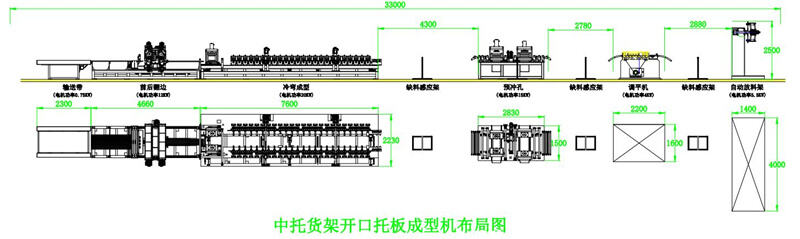
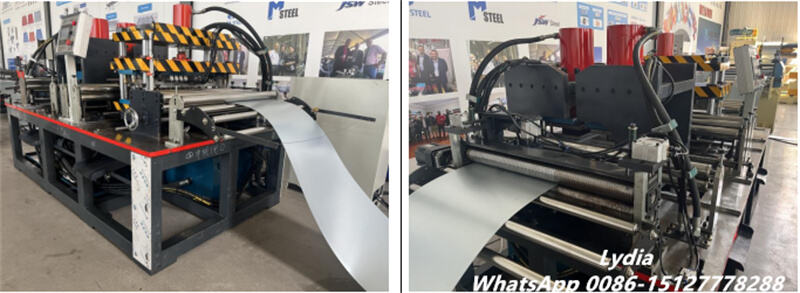
The punching section includes two front punching stations, two sets of mold bases, and two sets of molds. The maximum material width reaches 1200 mm, while the servo feeder provides a feeding speed of approximately 15–30 m/min.
After punching, the steel strip enters the main forming section. The roll former gradually shapes the material before the servo shearing and folding units complete the required panel geometry. As a result, the entire production process requires less manual handling and provides consistent positioning from one panel to the next.
Precision Engineering for Shelf Panels
For manufacturers producing shelf panels machine products, dimensional stability is particularly important because even small deviations can affect installation and the connection between individual rack components.
This machine is designed with a target diagonal accuracy of approximately ±1 mm for a 2500 mm panel length, while the length tolerance can reach approximately ≤1 mm for lengths up to 3 m.
To maintain this accuracy, the main side plate and auxiliary side plate are manufactured from ductile iron casting and undergo CNC drilling, tapping, and milling as an integrated machining process. This construction improves the rigidity and stability of the forming frame.
In addition, the transmission side of the lower rollers uses two sets of tapered roller bearings, while the operating side uses another bearing set. The tapered bearing arrangement helps maintain roller alignment and reduces unwanted movement during operation.
The shafts are manufactured from 45# steel, with a diameter of Φ50 mm. They undergo quenching and tempering, lathe processing, and fine grinding of the outer circle to provide a stable foundation for the forming rollers.
Main Roll Forming and Punching System
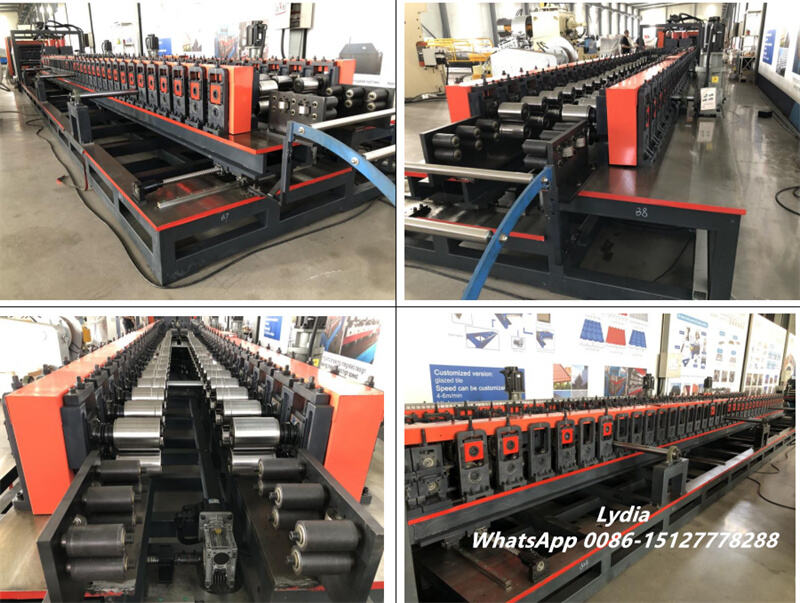
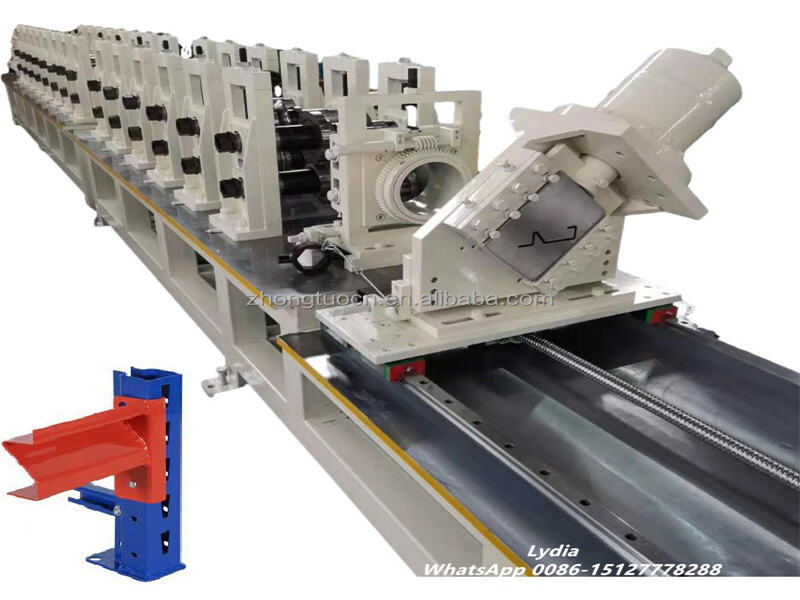
The main roll forming machine contains 20 forming stations and uses gear transmission to transfer power through the forming rollers. A 5.5 kW servo motor drives the forming system, allowing the machine to coordinate forming speed and material movement accurately.
The forming rollers use Cr12MoV tool steel. After vacuum heat treatment and two tempering processes, the roller hardness reaches approximately HRC 55–58. This treatment improves wear resistance and helps the rollers maintain their forming profile during long-term production.
The driving rollers use gear transmission combined with a hard-tooth-surface gear reduction box. This configuration provides stable power transmission and helps maintain consistent forming performance.
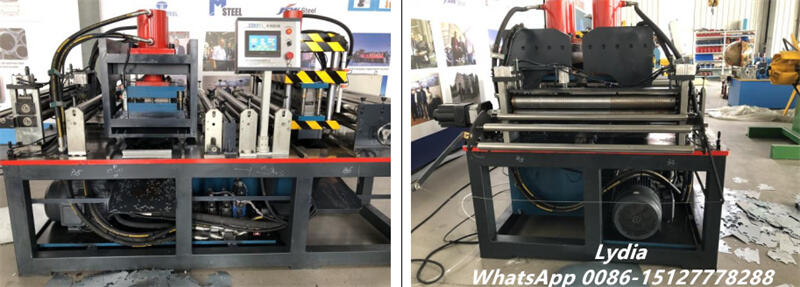
The punching system also features high-frequency-treated and hard-chrome-coated pinch rollers. These rollers improve wear resistance while providing stable contact with the material during servo feeding.
For applications requiring different hole patterns or panel configurations, the punching molds can be designed according to the customer’s production drawings. This makes the line suitable for different rack panel roll forming machine applications rather than limiting it to a single shelf panel profile.
5T Hydraulic Decoiler and Leveling System
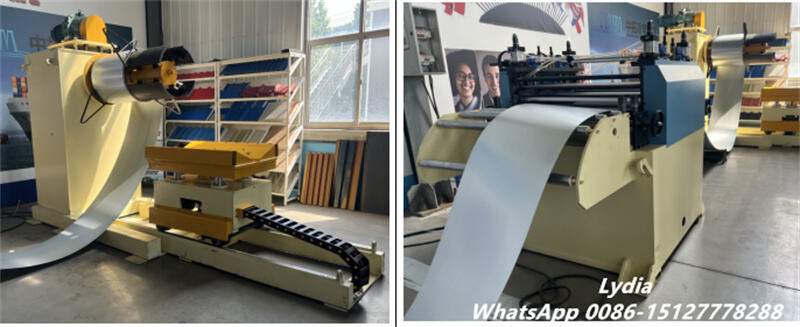
Before forming begins, the steel coil passes through the hydraulic decoiler and leveling unit. The decoiler has a 5-ton loading capacity and supports a maximum uncoiling width of 1200 mm.
The coil inner diameter range is approximately 450–550 mm, while the leveling section uses 6 upper rollers and 7 lower rollers to straighten the material before punching and forming.
The leveling system uses inverter control for speed adjustment, allowing the operator to coordinate material preparation with the downstream production process.
Proper leveling is especially important when producing thin shelf panels. By reducing material deformation before it reaches the punching and forming stations, the leveling unit helps the downstream equipment maintain stable dimensions.
Servo Shearing, Bending and Edge Folding
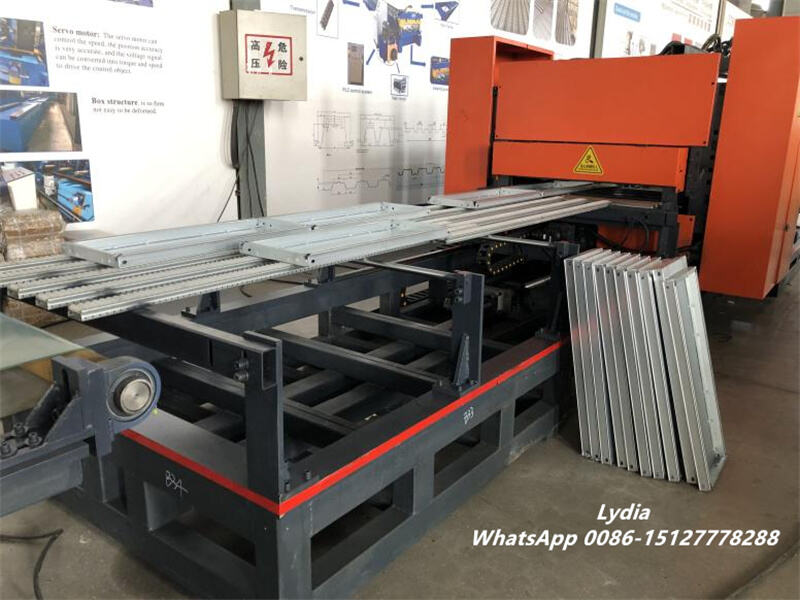
After the main roll forming process, the panel passes through the shearing and bending section. The line includes two stations for back punching side-ear holes, together with two mold bases and corresponding mold sets. The maximum processing width is 1200 mm.
Unlike a conventional line that relies primarily on hydraulic positioning, this equipment uses servo-controlled shearing and flanging mechanisms. The system can process the front and rear ends of the panel with controlled positioning, improving accuracy and simplifying operation.
The cutting blades are manufactured from GCr12 and undergo quenching treatment to improve durability.
The servo-controlled folding process is particularly useful for shelf panels because the front and rear edges often need to maintain consistent dimensions for installation and structural strength. By coordinating the cutting and folding movements through the control system, the machine can produce repeatable finished panels with reduced positioning errors.
Technical Specifications
| Parameter | Specification |
|---|---|
| Machine Type | Pallet Rack / Shelf Panel Roll Forming Machine |
| Suitable Material Thickness | 0.4–0.7 mm |
| Standard Panel Widths | 410 / 510 / 610 / 710 mm |
| Maximum Material Width | 1200 mm |
| Production Speed | 5–8 m/min |
| Main Forming Stations | 20 stations |
| Main Drive | 5.5 kW Servo Motor |
| Roller Material | Cr12MoV |
| Roller Hardness | HRC 55–58 |
| Shaft Material | 45# Steel |
| Shaft Diameter | Φ50 mm |
| Decoiler Capacity | 5 tons |
| Decoiler Type | Hydraulic |
| Decoiling Width | 1200 mm |
| Coil Inner Diameter | 450–550 mm |
| Leveling Rollers | 6 Upper + 7 Lower |
| Punching System | 2 Front Punching Stations |
| Feeding System | Servo Feeding |
| Feeding Speed | 15–30 m/min |
| Cutting System | Servo Shearing |
| Edge Folding | Servo-Controlled |
| Accuracy | Diagonal ±1 mm at L=2500 mm |
| Length Accuracy | ≤1 mm for L≤3 m |
| Total Power | ≤30 kW |
| PLC | Mitsubishi |
| Inverter | SINE |
| Servo Drive & Motor | Inovance |
| Low-Voltage Components | Schneider |
| Counter | OMRON |
| Relay | IDEC, Japan |
| Control Language | Chinese / English / Russian |
| Operating Panel | Touchscreen + Buttons |
Applications in Pallet Racking and Storage Systems
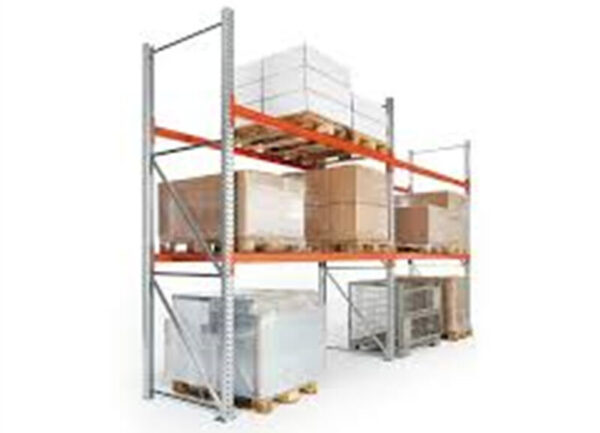
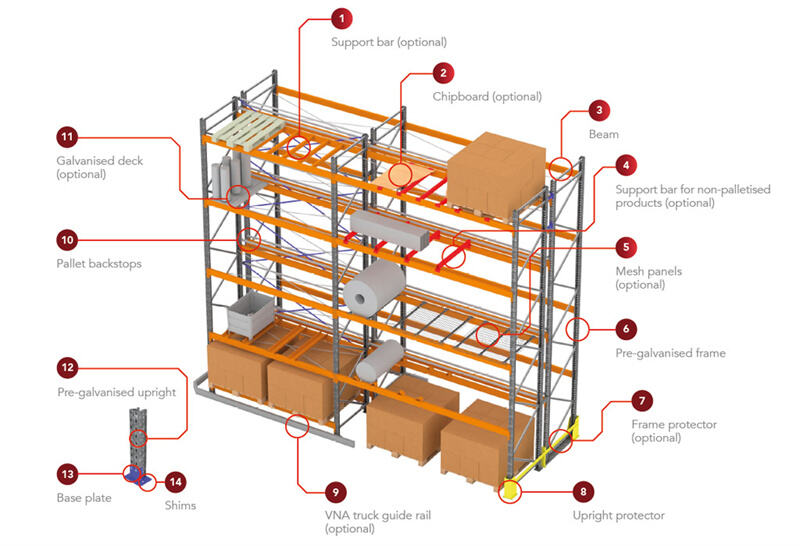
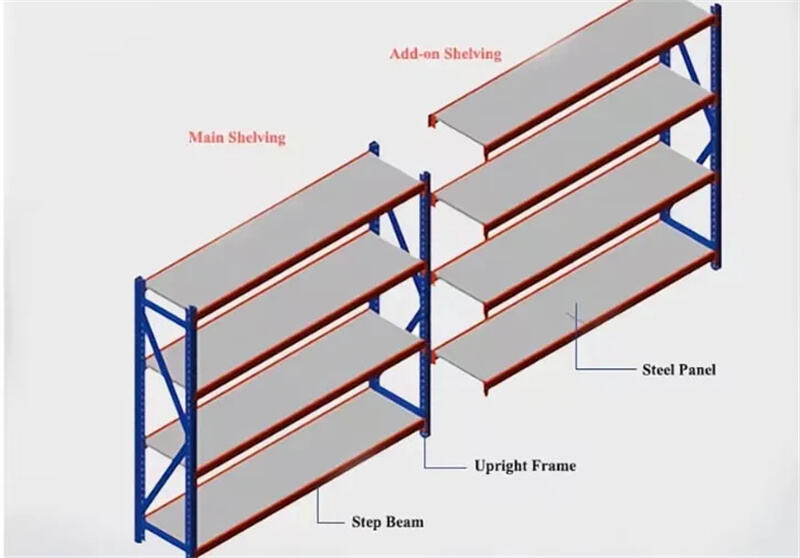
This equipment can serve manufacturers producing components for warehouse storage, supermarket shelving, industrial racks, and pallet storage systems. Its adjustable punching configuration and customized roller tooling allow manufacturers to produce different shelf panel designs according to specific rack structures.
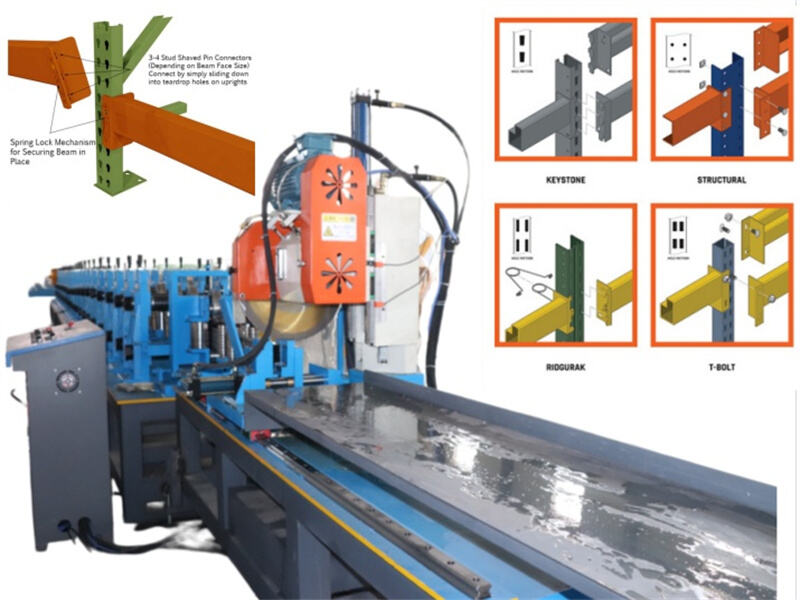
In a complete storage-system production facility, the pallet rack roll forming machine can work together with other forming equipment to manufacture shelf panels, rack frames, bracing channels, beams, and related components.
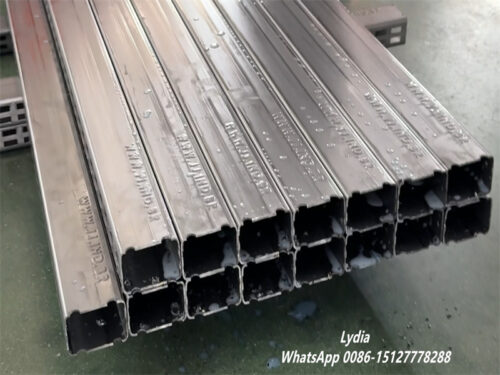
For example, a dedicated pallet rack bracing channel forming machine can produce structural bracing components, while this line focuses on shelf panels and related rack boards. Similarly, manufacturers can integrate additional punching or forming equipment when they need to produce a wider range of pallet racking components.
The machine can therefore serve as an important part of a complete pallet racking machine production system.
FAQ
1. What is a pallet rack roll forming machine?
A pallet rack roll forming machine is an automated production line designed for manufacturing steel shelf panels and rack components used in warehouse storage and pallet racking systems. In general, the production line integrates decoiling, leveling, punching, servo feeding, roll forming, shearing, bending, and edge folding. As a result, manufacturers can produce shelf panels continuously with improved efficiency and consistency.
2. What material thickness can the machine process?
Typically, the machine is designed to process steel coils with a thickness of approximately 0.4–0.7 mm. In addition, galvanized steel and cold-rolled steel can be used depending on the customer’s product requirements. Therefore, manufacturers can select suitable materials according to the required shelf strength, application, and production standards.
3. What shelf panel widths can the machine produce?
Generally, the standard shelf panel widths are 410 mm, 510 mm, 610 mm, and 710 mm. However, the forming rollers and punching molds can also be customized according to the customer’s drawings and technical requirements. Consequently, the machine can meet different shelf panel designs and warehouse storage applications.
4. What is the production speed of the shelf panel roll forming machine?
Under normal operating conditions, the production speed is approximately 5–8 m/min. However, the actual speed may vary depending on the material thickness, panel profile, punching pattern, and required cutting and folding operations. Therefore, the final production speed is determined according to the specific product design and manufacturing requirements.
5. What are the main advantages of this pallet racking machine?
One of the main advantages is its fully servo-controlled production process. For example, servo systems control feeding, roll forming, shearing, and folding to improve production accuracy and automation. Meanwhile, the ductile iron machine frame, CNC-machined plates, and tapered roller bearings help maintain forming stability and dimensional accuracy. As a result, manufacturers can achieve more consistent product quality during continuous production.
6. Can the machine be customized?
Yes, absolutely. The pallet rack roll forming machine can be customized according to the customer’s panel drawings, width, thickness, punching pattern, edge design, production speed, and automation requirements. Furthermore, custom punching molds and forming rollers are available for different shelf panel and rack designs. Therefore, customers can configure the production line according to their specific warehouse shelving products and manufacturing requirements.
Related Machines
Explore our related roll forming machines for warehouse storage, pallet racking, and steel shelf component production:
- Pallet Rack Roll Forming Machine — Designed for producing high-strength pallet rack components with precise forming and punching.
- Pallet Racking Machine — A complete solution for manufacturing components used in warehouse storage and pallet racking systems.
- Pallet Rack Bracing Channel Forming Machine — Produces steel bracing channels used to reinforce pallet rack structures.
- Shelf Panel Roll Forming Machine — Designed for continuous production of steel shelf panels for supermarkets, warehouses, and industrial storage systems.
- Rack Panel Roll Forming Machine — Suitable for manufacturing customized rack panels with different widths, profiles, and punching patterns.




Reviews
There are no reviews yet.