
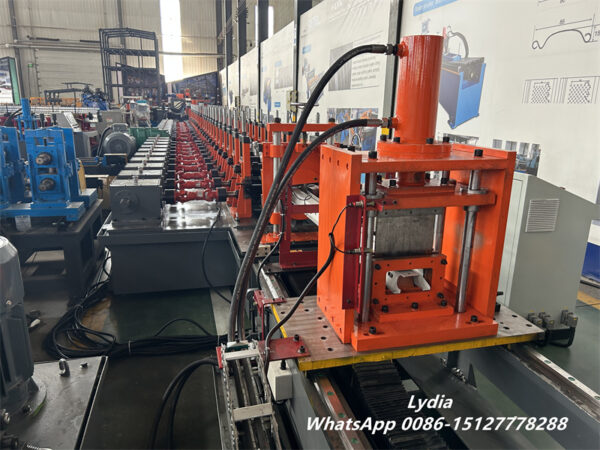
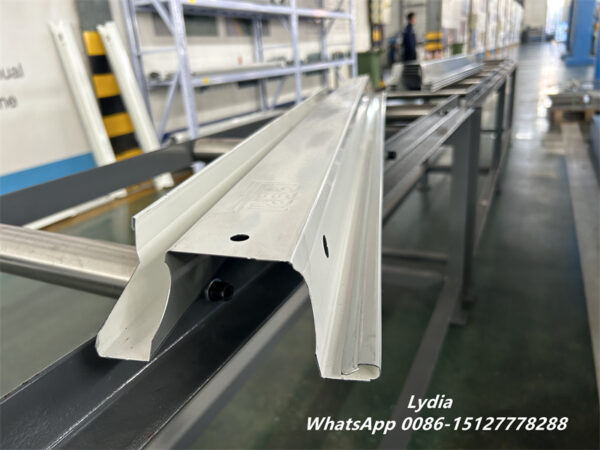
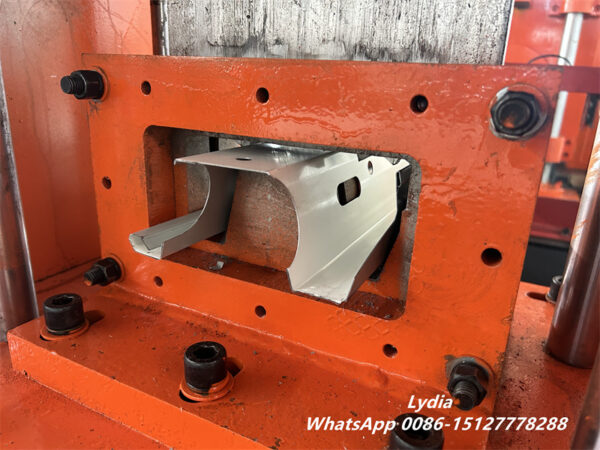
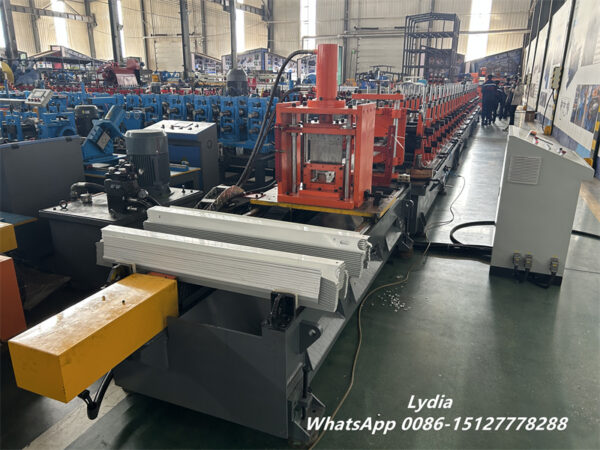
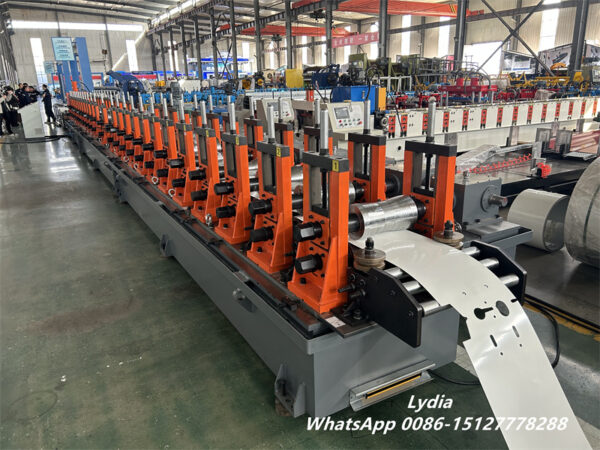
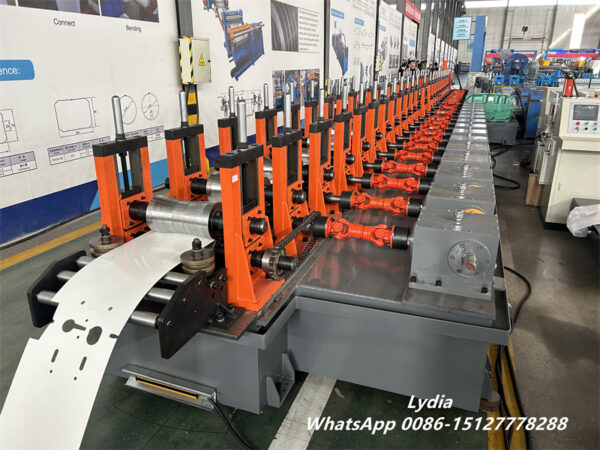
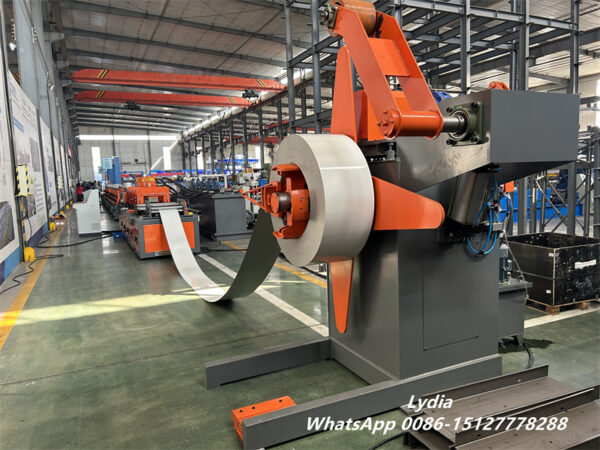
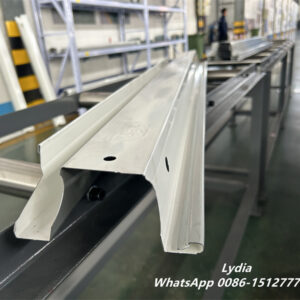
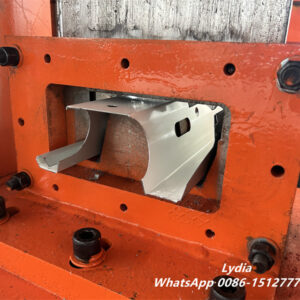
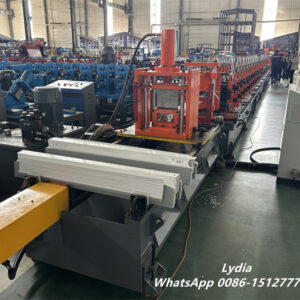
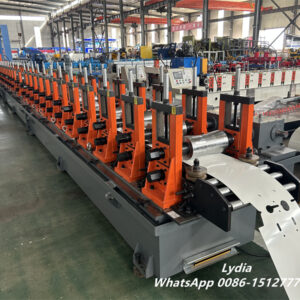
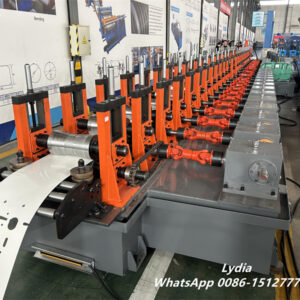
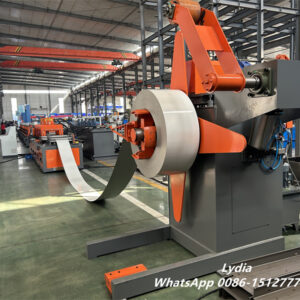

The Scaffold Toe Board Footpedal Roll Forming Machine is an advanced production solution designed to manufacture durable metal scaffold walk boards used in construction and industrial platforms. By combining multiple automated processes into a single production line, this machine enables manufacturers to produce high-quality scaffold panels with stable dimensions and consistent performance.
Modern construction projects require scaffold boards that are strong, safe, and resistant to harsh working environments. Therefore, manufacturers increasingly rely on automated roll forming technology to achieve higher efficiency and reliable product quality.
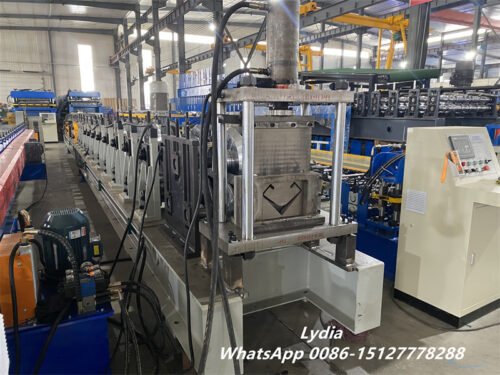
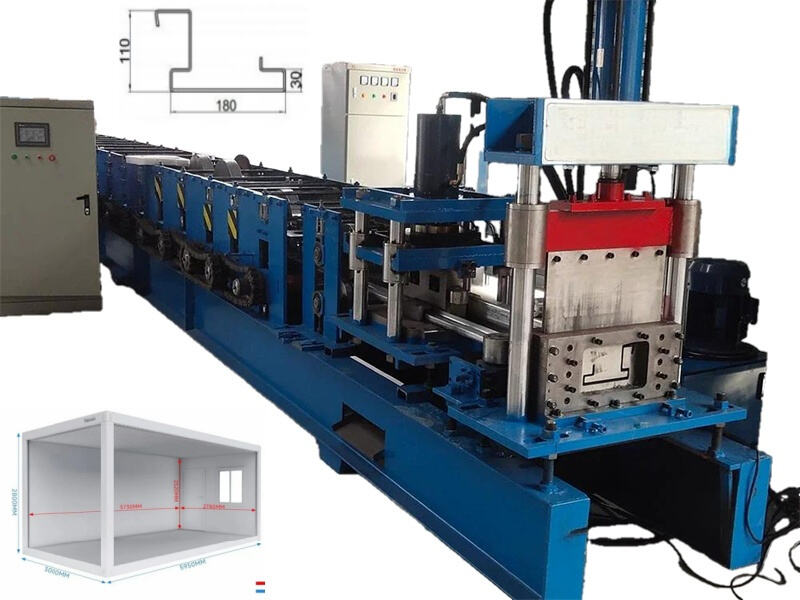
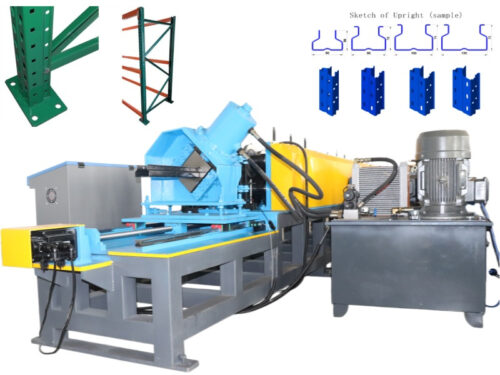
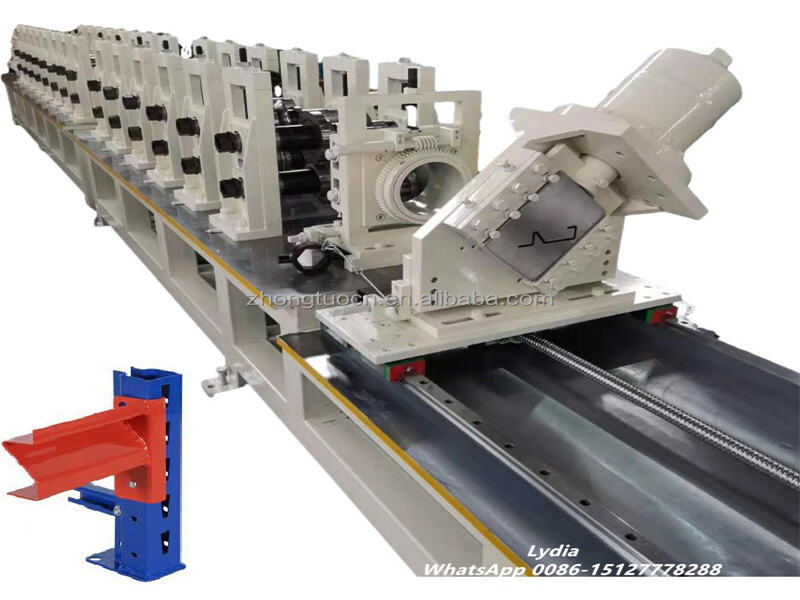
This metal scaffold walk board roll forming machine integrates decoiling, leveling, servo feeding, punching, roll forming, and cutting into a continuous production system. As a result, it significantly improves production efficiency while reducing labor requirements and operational costs.
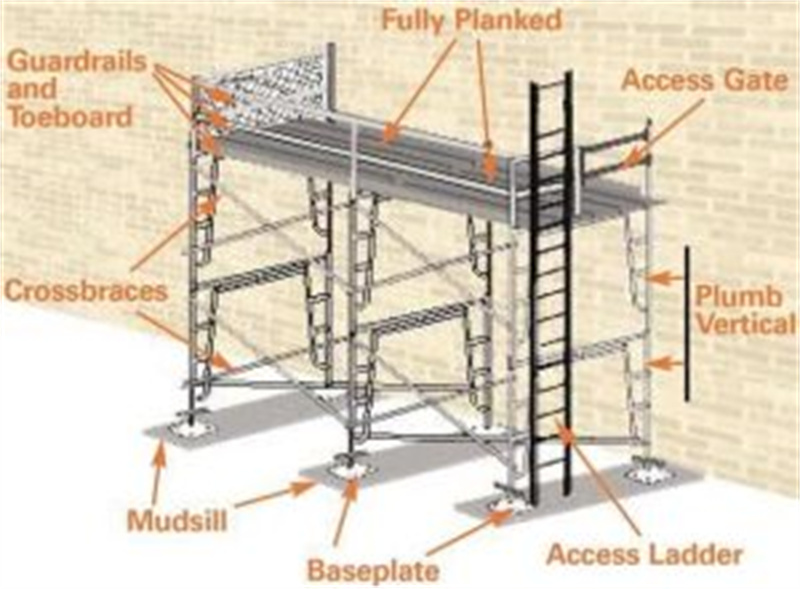
Toe boards are safety barriers installed along the edges of elevated platforms, scaffolding, and construction floors. Their main purpose is to prevent tools, materials, and debris from falling off the edge and causing injuries to workers below. Toe boards are usually used together with guardrails as part of a complete fall protection system. They can be made from wood or metal, but steel toe boards are generally preferred because they are stronger, more durable, and suitable for long-term use on construction sites.
In addition to stopping falling objects, toe boards also help workers clearly recognize the boundary of the working platform. This reduces the risk of accidental slips near edges and improves overall job site safety. According to safety standards , toe boards should be at least 3.5 inches (about 90 mm) high, and the gap between the toe board and the platform surface should not exceed 1/4 inch, ensuring effective protection against falling tools or materials.
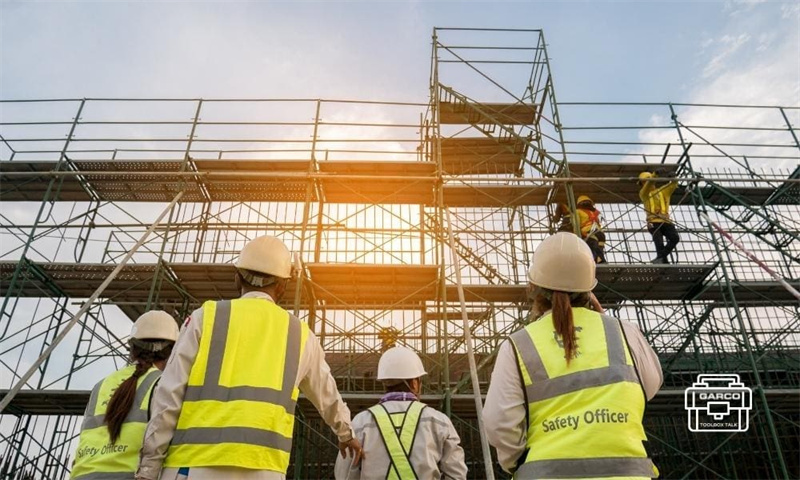
Importance of Steel Scaffold Walk Boards
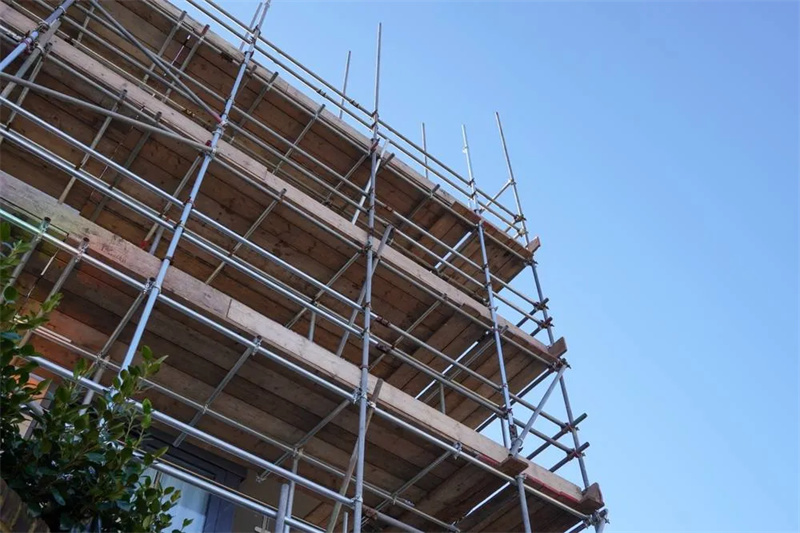
Scaffolding plays a crucial role in construction, maintenance, and building repair. Workers depend on safe and stable scaffold platforms to perform tasks at height. Among different scaffold components, scaffold walk boards serve as the main working platform that supports both personnel and materials.
Compared with traditional wooden boards, steel scaffold planks provide greater strength, longer service life, and better resistance to environmental conditions. In addition, perforated designs improve anti-slip performance and allow water or debris to drain easily.
Because of these advantages, steel scaffold walk boards are widely used in industrial plants, commercial buildings, infrastructure projects, and residential construction sites.
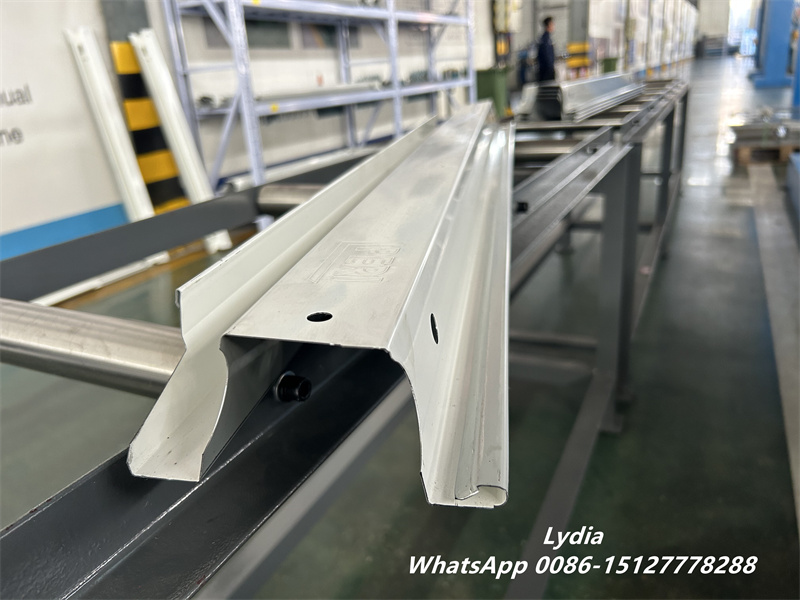
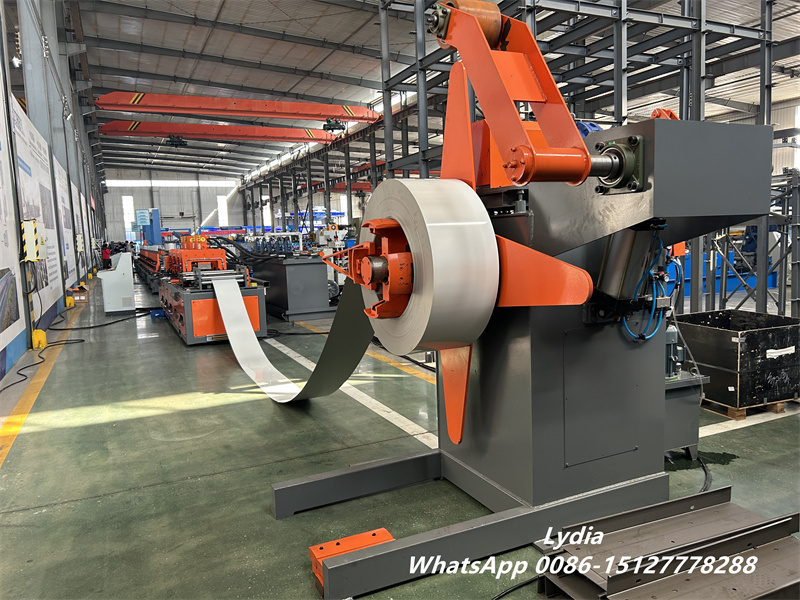
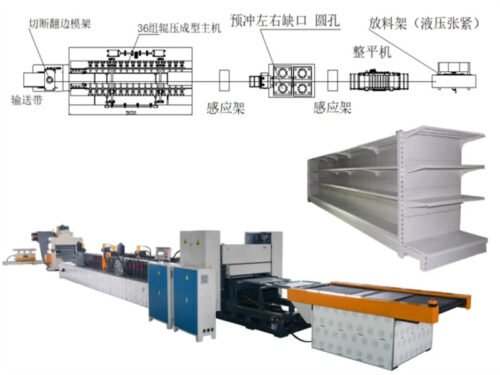
The scaffold toe board roll forming machine combines several processing stages into a continuous automated workflow. First, the steel coil is loaded onto the hydraulic decoiler and fed into the leveling unit to ensure smooth material feeding. Next, the servo feeding system precisely positions the strip before it enters the punching press, where hole patterns are formed.
After punching, the strip moves through the roll forming section. Here, multiple forming stations gradually shape the metal into the required scaffold board profile. Finally, the cutting system trims the finished panels to the desired length.
Thanks to this integrated process, manufacturers can maintain high productivity while ensuring consistent product quality.
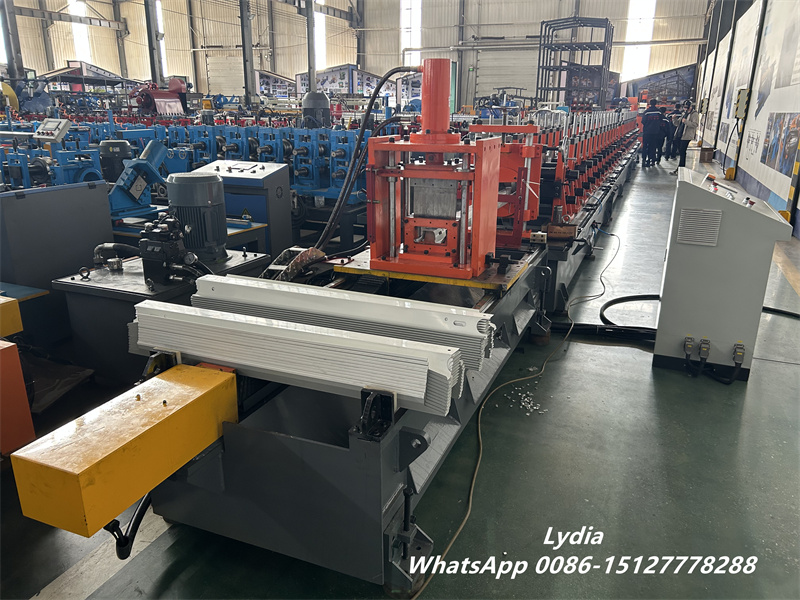
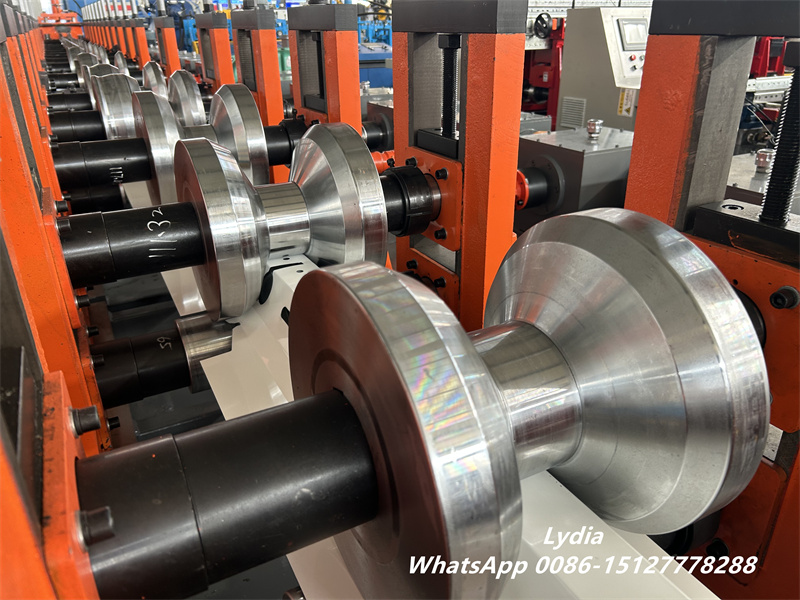
Key Advantages of the Machine
The metal scaffold walk board roll forming machine offers several practical benefits for scaffold manufacturers.
First, the automated production line greatly improves production efficiency compared with traditional fabrication methods. Continuous roll forming allows the machine to operate steadily with minimal manual intervention.
Second, the precision punching system ensures accurate hole positioning and consistent panel patterns. This improves the structural integrity and appearance of the finished scaffold boards.
Furthermore, the machine structure is built with high-strength materials and precision rollers, which ensures long service life and stable forming performance.
In addition, the flexible design allows manufacturers to adjust parameters or customize profiles according to different scaffold standards and market requirements.
Main Technical Specifications
| Item | Specification |
|---|---|
| Raw Material | Galvanized steel / cold rolled steel |
| Material Thickness | Up to 2.0 mm |
| Decoiler Capacity | 5 Tons |
| Leveling Rollers | 5 rollers |
| Servo Motor Power | 4 kW |
| Punch Press | 250T hydraulic press |
| Forming Stations | 32 stations |
| Roller Material | GCr15, heat treated (HRC58–62) |
| Shaft Diameter | Φ85 mm |
| Main Motor Power | 30 kW |
| Forming Speed | 10–15 m/min |
| Cutting Method | Hydraulic flying cutting |
| Control System | PLC with touch screen |
| Electrical Components | Schneider, Delta, Omron |
Applications and Industry Demand
Steel scaffold walk boards produced by this machine are widely used in ladder jack scaffolds, swing stage platforms, catwalk systems, and construction scaffolding structures. These panels provide strong load-bearing capacity while remaining relatively lightweight, which makes them easier to transport and install on job sites.
Additionally, scaffold planks with slip-resistant surfaces help improve worker safety. Their durable structure also ensures reliable performance in outdoor conditions such as rain, dust, and temperature variations.
As global construction activities continue to expand, the demand for high-quality scaffold boards keeps increasing. Therefore, investing in a reliable scaffold roll-forming machine allows manufacturers to meet market demand efficiently and maintain a competitive advantage.
FAQ
1. What materials can this scaffold roll forming machine process?
The machine is designed to process galvanized steel and cold rolled steel coils. These materials provide strong load capacity and corrosion resistance, making them ideal for scaffold walk boards.
2. What is the production speed of the machine?
The forming speed usually reaches 10–15 meters per minute, depending on the product design, hole pattern, and material thickness.
3. Can the scaffold board profile be customized?
Yes. The roll forming machine can be customized according to customer drawings. Different hole patterns, widths, and scaffold plank profiles can be produced based on market requirements.
4. What industries use scaffold walk boards?
Steel scaffold boards are widely used in construction projects, industrial plants, bridge construction, building maintenance, and infrastructure engineering.
5. Does the machine support automatic operation?
Yes. The machine uses a PLC control system with touch screen, allowing operators to control punching, forming, and cutting automatically, which improves efficiency and reduces labor costs.


Reviews
There are no reviews yet.